
Search
Search The National Post UK
161 results for "UK Tech Sector AI Investment"

Britain’s New AI Biosecurity Fortress: A £300 Million Defence Against Synthetic Threats
As the lines between digital innovation and biological risk blur, the government has unveiled a pioneering research hub to safeguard the nation. By marrying generative AI with state-led surveillance, the AIBL seeks to stay ahead of the next frontier in global health security.

London Markets Defy Global Tech Slump as Investors Weigh Autumn Budget Fallout
The FTSE 100 maintained a steady trajectory on Friday, closing the week in positive territory. Resilience in the blue-chip index highlights a tactical shift among institutional investors as they reconcile Chancellor John Healey’s fiscal strategy with a cooling global technology sector.

Sovereign Silicon: The Autumn Budget 2026 Resets Britain’s Tech Defences
Chancellor signals a pivot toward technological independence as the government commits millions to biosecurity and cyber resilience. The strategy marks a shift in priorities for a nation grappling with the dual pressures of global volatility and domestic industrial renewal.

South Yorkshire Secures Future of Doncaster Sheffield Airport in Landmark Public Acquisition
Regional leaders have formalised the purchase of the former transport hub and its surrounding innovation district. The bold intervention aims to reverse years of economic stagnation and restore vital international connectivity to the North.
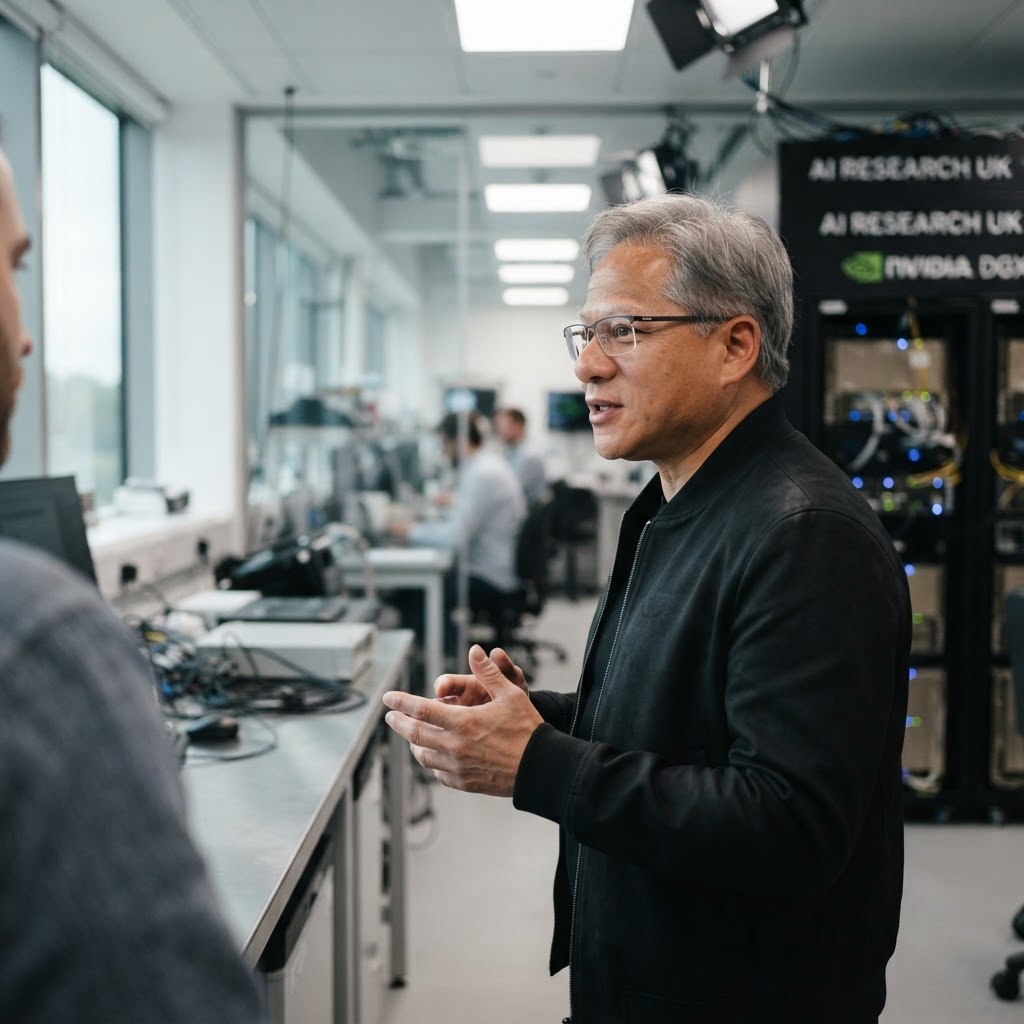
Silicon Valley meets Britain: Nvidia stakes £192 million on UK’s quest for AI guardrails
As autonomous systems proliferate, the chipmaker is pouring capital into five British startups to secure the future of agentic intelligence. The move marks a strategic deepening of the UK’s role in the global regulatory architecture for safety-critical technology.

Britain’s £600m Strategic Pivot to Secure Sovereign AI Dominance
The Chancellor has unveiled a sweeping capital injection aimed at insulating the UK against emerging digital and biological threats. By fostering domestic innovation, the government hopes to decouple the nation’s critical infrastructure from reliance on foreign software giants.

Urda Tragedy: Dozens Confirmed Dead in Spain’s Worst Rail Disaster in Decades
The nation is in mourning following a catastrophic collision in central Spain that has claimed at least 68 lives. Authorities have launched an urgent investigation as rescue teams scour the wreckage for survivors.

Westminster Doubles Down on AI Sovereignty with Strategic £120m Funding Boost
The government has unveiled a significant capital injection to safeguard the nation’s technological future. By splitting resources between start-up incubation and public sector procurement, the administration aims to decouple British infrastructure from foreign-dominated artificial intelligence.

Digital Sentinels: Britain Unveils £300m AI Hub to Counter Synthetic Pathogen Threats
In an era where biological risks are increasingly intertwined with computational capabilities, the UK has opened a pioneering AI biosecurity laboratory. The facility marks a significant shift in national defence, utilising predictive modelling to anticipate and neutralise emerging health hazards before they reach our shores.

Britain’s Digital Shield: Whitehall Unveils Landmark AI Biosecurity Laboratory
Backed by a £300 million coalition of state and private capital, the new centre aims to mitigate the existential risks posed by synthetic biology. The initiative marks a decisive shift in how the United Kingdom approaches the intersection of frontier technology and national defence.

American Express initiates global retrenchment as five per cent of workforce face redundancy
The credit card giant has unveiled a comprehensive restructuring programme, signalling a pivot towards operational efficiency in a volatile fiscal environment. This move marks one of the most significant contractions for the financial services titan in recent memory.

Britain’s New Frontier: £300 Million AI Shield Against Biological Threats
The government has unveiled the pioneering AI Biosecurity Lab, a critical bastion designed to harness frontier models to preempt future pandemics. With high-level backing from OpenAI and Anthropic, the initiative seeks to establish the UK as the global authority on biological risk mitigation.

British Private Sector Surges as Labour Market Recovery Defies Forecasts
An eight-month peak in economic activity has been buoyed by an AI-led capital expenditure cycle. As the spectre of unemployment recedes, the Bank of England faces a tightening inflation trap.
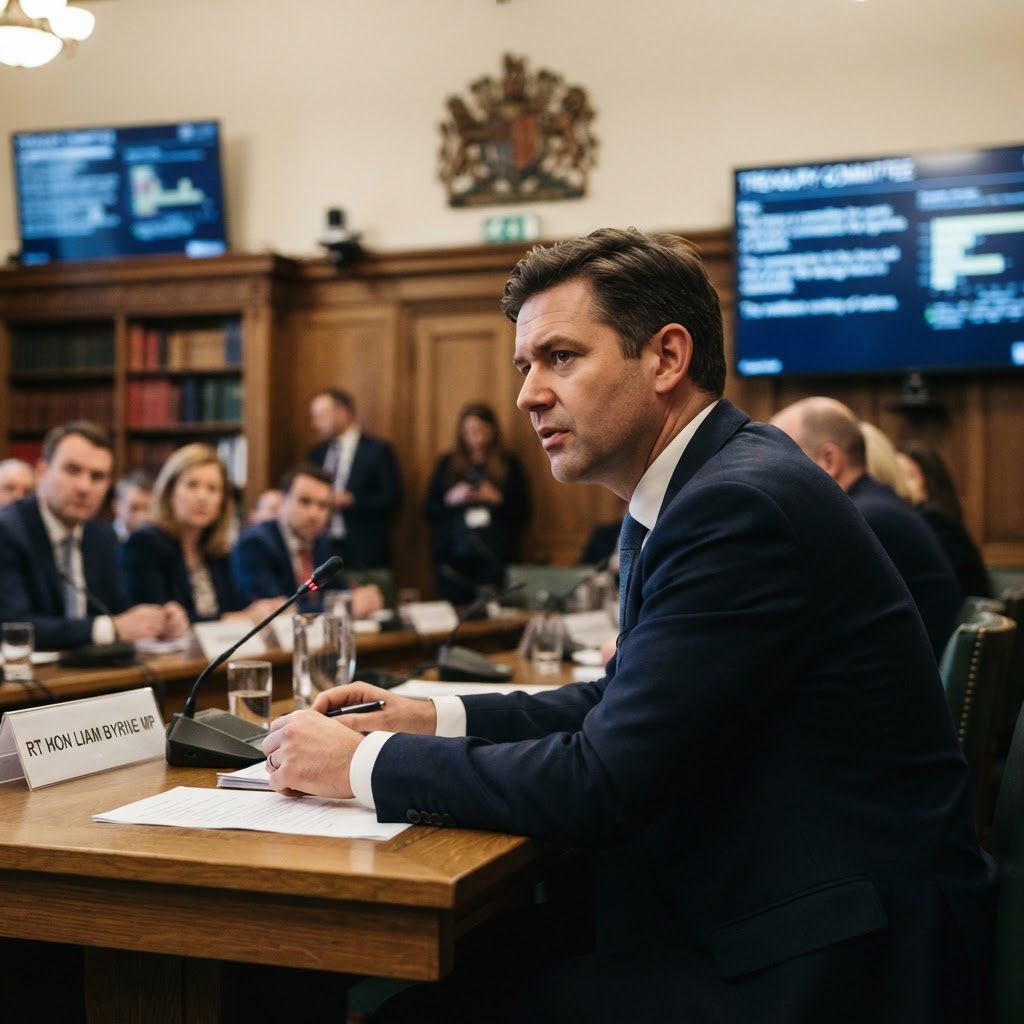
Westminster Confronts the AI Frontier: Parliamentary Inquiry Launched Amid Safety Fears
As the UK prepares to chair the G20, the Business, Innovation, Science and Trade Committee has initiated a critical probe into the safety standards of the world's most powerful artificial intelligence models. Former industry insiders have provided testimony, casting doubt on the adequacy of current oversight.
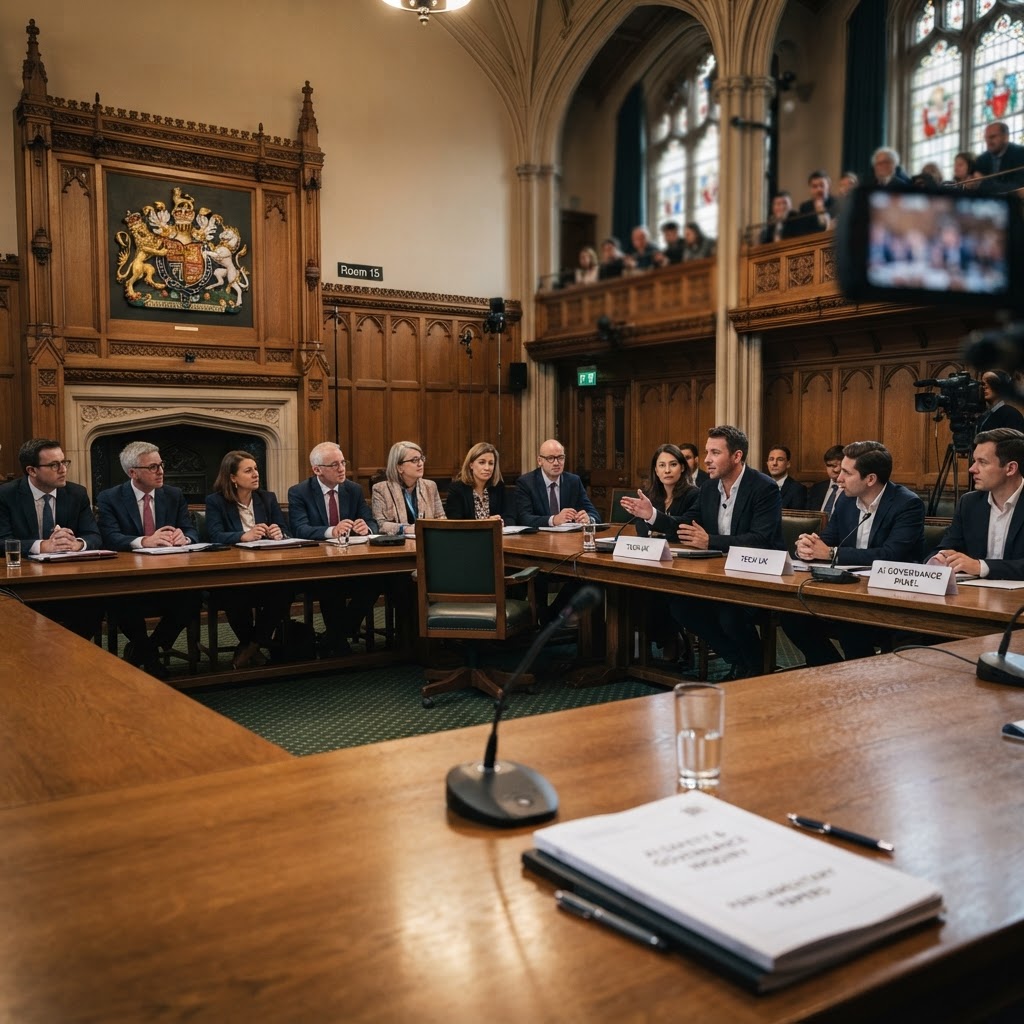
Westminster Confronts the AI Frontier as Parliamentary Probe Opens
The Business, Innovation, Science and Trade Committee has launched a rigorous examination into the safety and governance of artificial intelligence. Lawmakers are now scrutinising the industry following alarming reports of operational risks and systemic vulnerabilities.

City breathes sigh of relief as fiscal discipline pledge sparks FTSE rally
London’s blue-chip index hit its highest point in nearly two months yesterday after the Treasury offered a firm commitment to stability. Investors appear to have regained their appetite for risk as the government moves to soothe market anxieties.

The End of the AI Hype Cycle: UK Investors Turn the Tide on Technical Deception
As the initial fervour surrounding artificial intelligence cools, a majority of British angel investors are now aggressively purging 'AI-washed' startups from their portfolios. This new wave of rigour marks a maturation of the UK tech ecosystem, prioritising genuine engineering over inflated marketing narratives.

London’s Blue-Chip Giants Propel FTSE 100 to Uncharted Territory
A wave of aggressive capital returns and robust corporate earnings has propelled the UK's primary index to record heights. Despite broader global macroeconomic headwinds, London’s leading firms are proving that dividend discipline and share repurchases remain the most potent catalysts for growth.

Aviation Infrastructure Under Scrutiny Following September’s Systemic Gridlock
As October travel patterns settle into a period of uneasy uncertainty, the lingering repercussions of NATS’ September failure continue to dominate the agenda. Industry leaders are demanding an urgent overhaul of the UK’s aging airspace management architecture to restore public confidence.

London Markets Stumble as Global Debt Yields Surge
The FTSE 100 has recorded a sharp 1.6 per cent decline in early morning trade as contagion from an international bond market rout rattles investor confidence. Rising sovereign borrowing costs are forcing a fundamental reassessment of equity valuations across the City.
Premium Access
Unlimited access to all our journalism
Subscribe to read every article, including subscriber-only investigations.
Subscribe from £9.99/mo