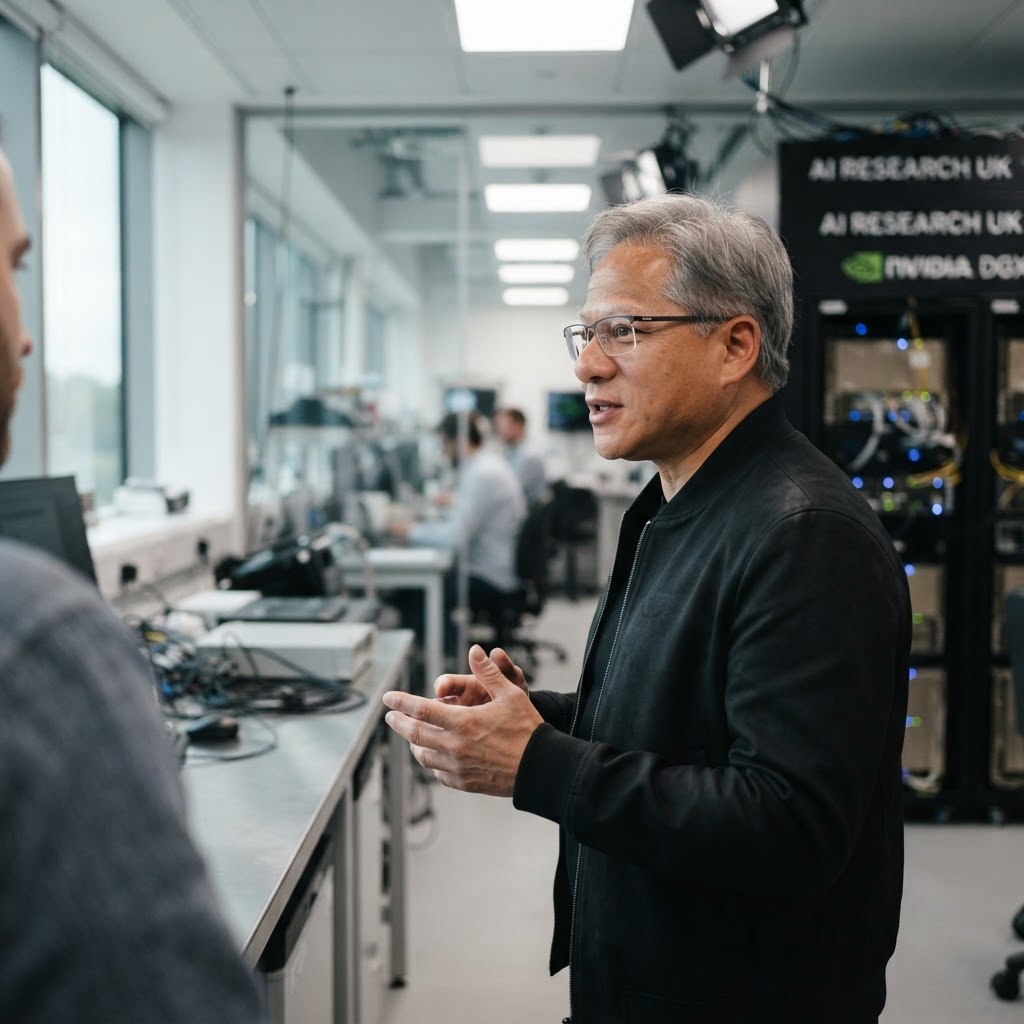
The Rise of the Digital Shield In a landscape defined by rapid technological acceleration, the United Kingdom has taken a decisive step to fortify its defences against the next generation of global threats. Today, the government announced the launch of the AI Biosecurity Lab (AIBL), an independent, non-profit organisation designed to scrutinise the potential dangers inherent in the intersection of artificial intelligence and advanced biotechnology. Operating under strict state security directives, the AIBL represents the most significant investment in biosecurity infrastructure seen in a generation.
Bridging the Funding Gap The establishment of the lab is underpinned by a substantial £100 million in direct government funding, a figure that is augmented by up to £200 million in AI model credits provided by global industry leaders OpenAI and Anthropic. This partnership between the public sector and private tech giants is intended to provide the computational power necessary to simulate complex biological systems, helping researchers identify and neutralise dual-use hazards—biological tools that could be repurposed for harm rather than healing.
This initiative forms the cornerstone of a broader £600 million government package focused on shoring up Britain’s sovereign AI capabilities, research development, and essential digital skills. Within this framework, £65 million has been ring-fenced specifically for the advancement of bio-surveillance networks and the rapid creation of medical countermeasures, ensuring the UK remains at the vanguard of pandemic preparedness.
A Dual-Use Dilemma The primary mandate of the AIBL is to navigate the delicate balance between fostering life science innovation and mitigating the risks posed by automated, AI-driven biological tools. Experts in the field have long warned that as AI becomes more capable at designing novel proteins and pathways, the barrier to creating harmful pathogens may lower. 'We are moving into an era where software can dictate biological outcomes,' noted a senior adviser to the project. 'The AIBL is not merely a watchdog, but an intelligence hub that will allow us to predict where the next risks might emerge and develop the vaccines to counter them before they become a reality.'
By leveraging the predictive power of generative models, the lab aims to accelerate vaccine discovery cycles, potentially reducing the time required to respond to novel health crises from years to months. This proactive approach marks a shift from reactive policy-making to a predictive, intelligence-led defensive strategy.
The Broader Strategy Critics of similar initiatives have often pointed to the potential for regulatory overreach or the stifling of innovation. However, the government insists that the AIBL is structured to act as an open-science collaborator, working alongside domestic universities and pharmaceutical firms to ensure that the UK remains a global leader in synthetic biology. By providing researchers with secure environments to test their findings, the government hopes to create an ecosystem where safety protocols are baked into the research process itself, rather than imposed as an afterthought.
As global geopolitical tensions rise, the ability of a nation to detect and respond to biological anomalies—whether natural, accidental, or intentional—has become a prerequisite for national security. The AIBL is expected to serve as a beacon for international standards, setting a precedent for how democratic nations can harness the dual-edged sword of artificial intelligence to safeguard their populations.
“The AIBL is not merely a watchdog, but an intelligence hub that will allow us to predict where the next risks might emerge and develop the vaccines to counter them before they become a reality.”
The coming months will see the recruitment of top-tier talent from the fields of computational biology, cybersecurity, and data ethics, with the facility expected to reach full operational status by early 2027. For a government seeking to solidify the 'Science Superpower' agenda, the success of this lab may well determine the future resilience of the British state.