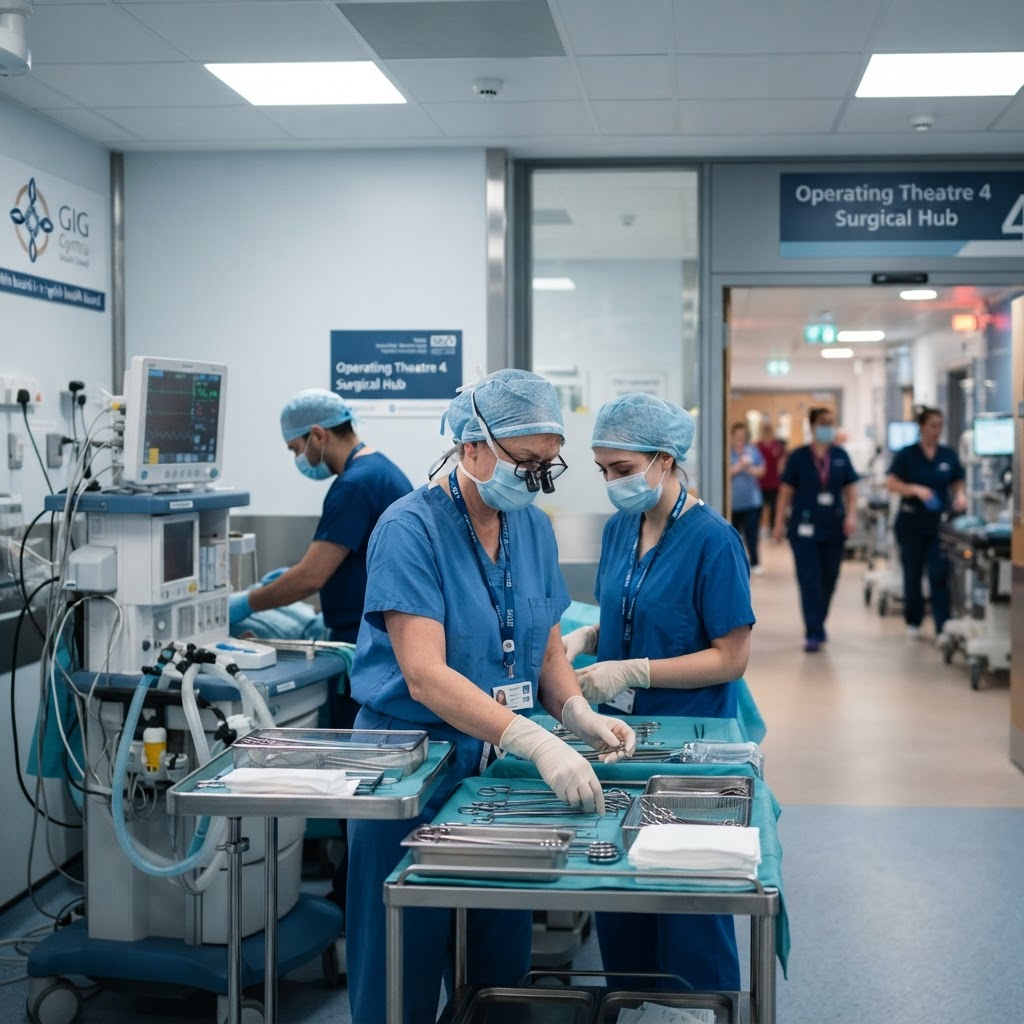
After ten months of steady progress, a sharp uptick in patients awaiting care has triggered a significant fiscal intervention. The Welsh government hopes the new funding, focused on surgical hubs and diagnostic capacity, will stabilise the health service as winter pressures loom.
A Reversal of Fortunes
For almost a year, the narrative surrounding the National Health Service in Wales was one of quiet, incremental recovery. Following ten consecutive months of sustained decline in the overall waiting list, policymakers and clinical leaders had begun to allow themselves a degree of cautious optimism. However, the data for April 2026 proved to be a jarring reversal, as the number of individuals awaiting treatment swelled by more than 13,000, bringing the total headcount of the backlog to approximately 680,000. In response, the Welsh government has announced an emergency funding package of £145 million, an investment designed to halt the regression and provide the necessary infrastructure to process patients more efficiently.
The Anatomy of the Investment
Of the total £145 million allocation for the current financial year, the lion's share—some £100 million—has been ring-fenced specifically for the reduction of waiting times. This capital is intended to support health boards in expanding clinical hours and addressing the bottlenecks that have plagued the system post-pandemic. A further £25 million has been earmarked for the creation and expansion of surgical and diagnostic hubs, facilities designed to isolate routine, planned care from the volatile demands of emergency and urgent admissions. By separating these pathways, officials hope to ensure that theatres remain operational even during periods of intense seasonal pressure, a common failure point that has historically exacerbated backlogs.
The Workforce Conundrum
While the infusion of capital provides a necessary lifeline, the underlying tension within the Welsh health system remains the chronic shortage of clinical staff. Funding for facilities is arguably secondary to the availability of the consultants, surgeons, and nurses required to operate them. Recognising this, the government has signalled that the financial injection is merely one pillar of a broader strategic shift. A comprehensive NHS workforce plan is expected to be published in the coming autumn, a document that stakeholders hope will move beyond the traditional recruitment rhetoric and offer substantive solutions for staff retention and long-term training pipelines. The crisis in Wales reflects a broader UK-wide phenomenon where the pandemic created a 'missing' cohort of patients who are only now presenting with more complex, advanced conditions, thereby placing an unprecedented strain on secondary care resources.
Expert Perspectives
Clinical leaders have met the news with a mixture of relief and pragmatic concern. While the additional funding is welcome, many consultants argue that it does not adequately account for the inflationary pressures affecting medical technology and supply chains. Furthermore, the reliance on ad-hoc funding injections to address systemic challenges has been a point of contention for health policy analysts. There is a prevailing sentiment that until the NHS in Wales can move toward a more sustainable, preventive model of care, the system will remain locked in a cycle of funding spikes followed by inevitable periods of stagnation. As we approach the winter months, the efficiency with which these funds are deployed will be the litmus test for the government's ability to maintain public confidence in the health service.