The Frontline Pivot: Whitehall Unveils Radical Neighbourhood Care Model to Shield the Frail
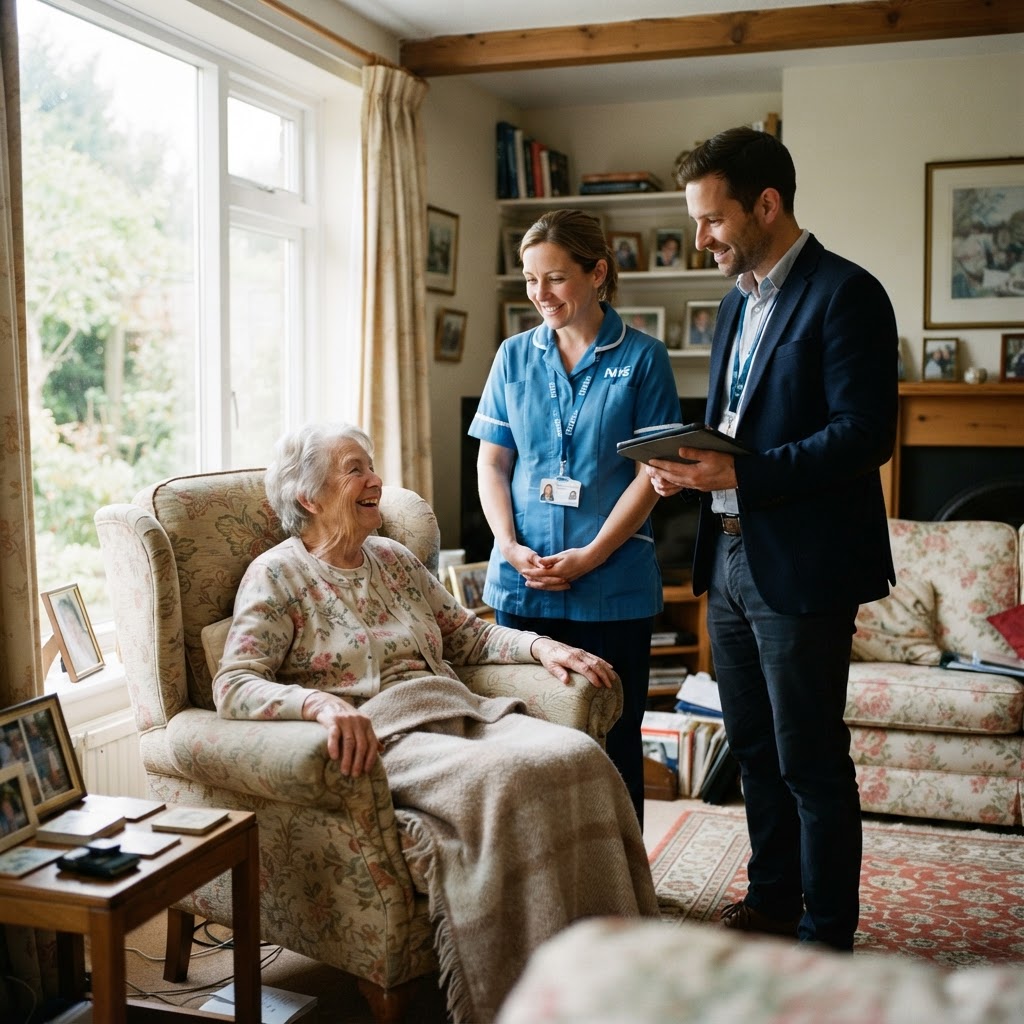
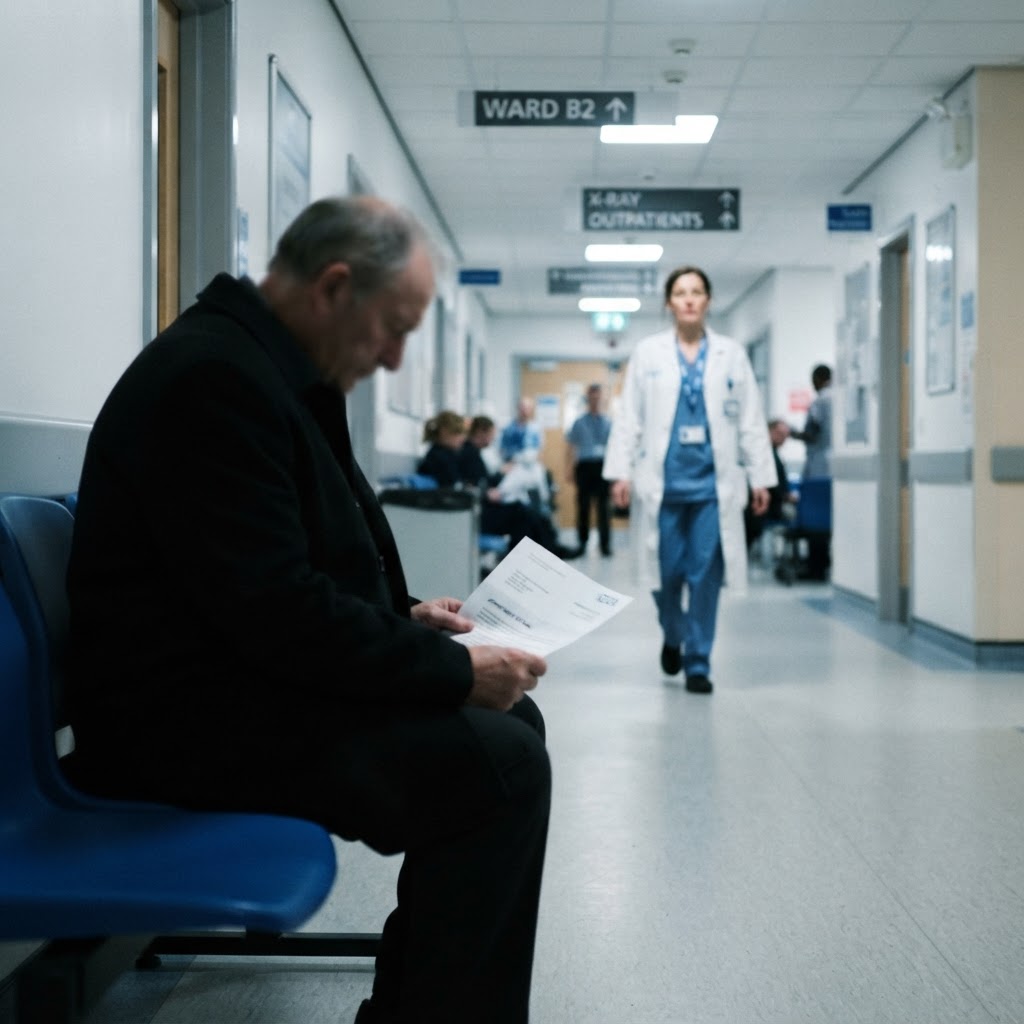
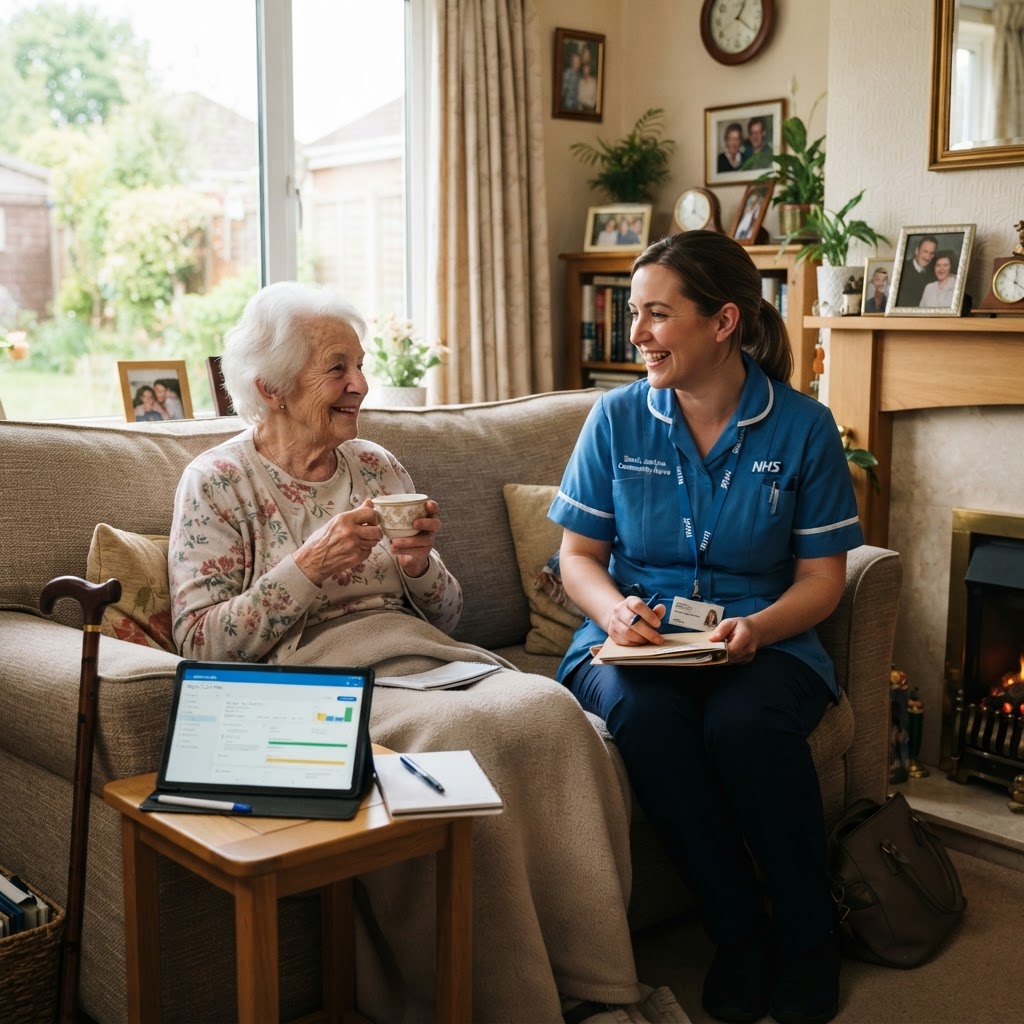
Health Secretary Yvette Cooper has confirmed a national rollout of dedicated home-support teams tasked with alleviating the pressure on acute hospital wards. By shifting the focus of care to the community, the government anticipates a multi-billion-pound windfall and a significant reduction in long-term occupancy.
DH
Dr. Helen Moore
Health Correspondent
Published 21 November 2026·about 14 hours ago 2 min read
Text
TopicsNHSHealth PolicySocial CareYvette CooperHealthcare ReformIntegrated Care Boards
About the Author
DH
Dr. Helen Moore
Health Correspondent
Dr. Helen Moore reports for National Post UK with a focus on rigorous analysis and authoritative journalism — a trusted voice across British public life.
Reader Discussion · 12
Subscribers can join the conversation.
SUBSCRIBE TO COMMENT →J
Janet Fielding21 Nov
My neighbour has been stuck in hospital for months simply because there is no help at home for her mobility issues. Anything that gets people back into their own surroundings has to be better than a hospital bed.
M
Marcus Sterling21 Nov
As an analytical perspective, the success of this will depend entirely on the integration of GP surgeries with social care providers. Without proper data sharing, this is just another top-down directive.
E
Eleanor Rigby21 Nov
It is all well and good to talk about neighbourhood care, but where are the nurses and carers coming from? We cannot keep expecting the existing workforce to do more with less.
D
David Thorne21 Nov
I am skeptical about the implementation. We hear about radical new models every election cycle, yet the local clinics are still chronically understaffed and stretched to breaking point.
S
Sarah Jenkins21 Nov
My mother spent six weeks in a ward waiting for a home care package that never arrived. If this model manages to join up the social care and NHS dots, it might just save the system.
A
Arthur Penhaligon21 Nov
This sounds like a step in the right direction. We have needed a move away from institutional care for years, provided the funding actually reaches the local level.
R
Robert Sterling21 Nov
The success of this strategy will live or die by the integration between the NHS and local councils. They have failed to communicate effectively in the past, so I am remaining cautiously optimistic for now.
E
Elaine Bennett21 Nov
Many elderly residents in my village would much rather be at home with proper support than stuck in a draughty hospital ward. If the community infrastructure is actually put in place, this could be a genuine lifeline.
A
Alan Foster21 Nov
I have heard these promises from successive governments for years. Without a massive injection of cash into local authority social services, this is just rearranging deckchairs on the Titanic.
S
Sarah Pringle21 Nov
This pivot seems logical if it keeps people out of hospital environments where they are at risk of infections. We need to focus on preventative, joined-up care rather than just sticking band-aids on the system.
D
David Jenkins21 Nov
I am curious how they intend to fund this when the existing community teams are already stretched to breaking point. It sounds like a lovely idea on paper, but where are the additional staff coming from?
M
Margaret Thorne21 Nov
It is about time they addressed this. My mother spent three weeks in an acute ward waiting for a social care package that never materialised, so I truly hope this model works in practice.