National Post UK
The Voices Changing the Narrative: How South London Teens are Confronting a Mental Health Crisis

A new podcast series, created entirely by young women from south east London, is challenging the status quo surrounding

The National Post

HomeHealth & Wellbeing
Health & Wellbeing

The Voices Changing the Narrative: How South London Teens are Confronting a Mental Health Crisis

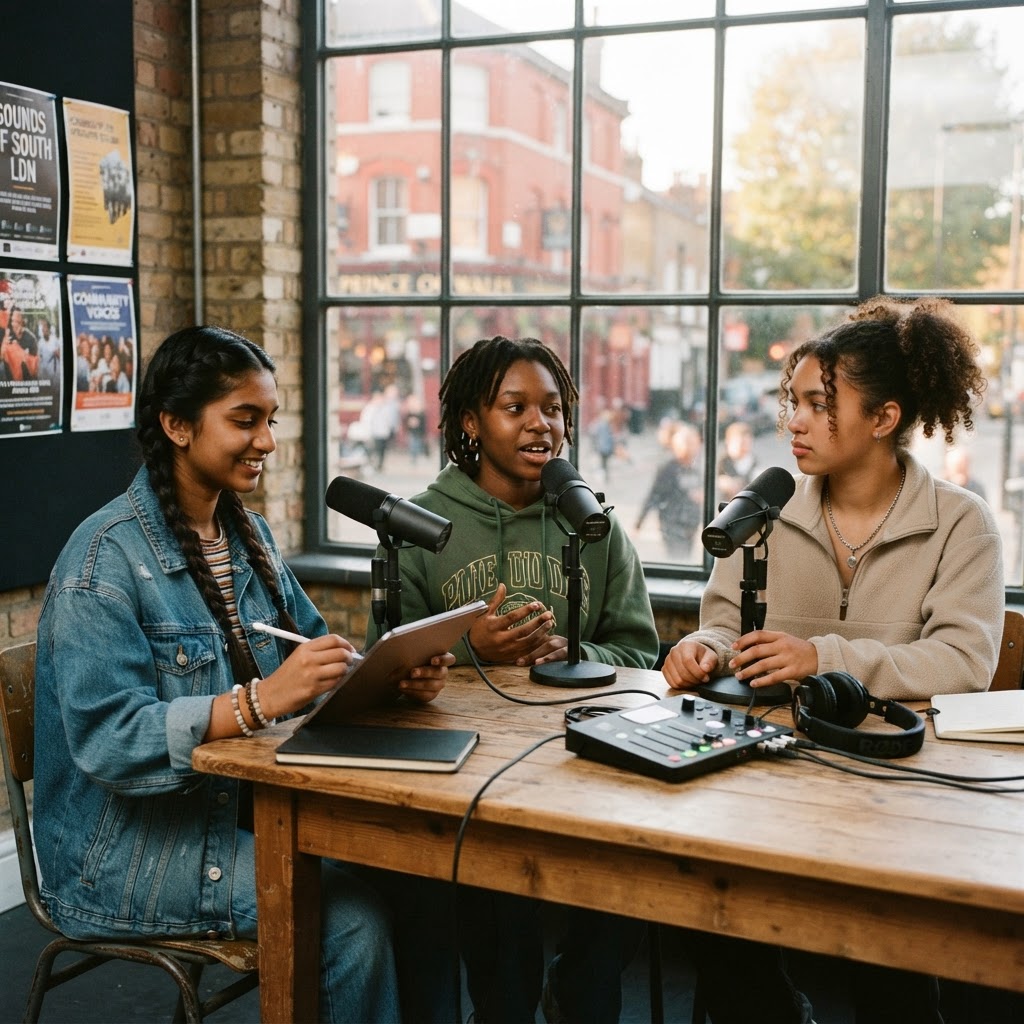
A new podcast series, created entirely by young women from south east London, is challenging the status quo surrounding adolescent safety and wellbeing. With professional backing from the NHS, these students are demanding a seat at the table in the national conversation on violence and resilience.

SC

Samantha Cole

Health Correspondent

Published 29 September 2026·3 days ago 3 min read
Text
Share

A Platform for the Future In the quiet corners of community centres across south east London, a significant cultural shift is underway. A group of girls, ranging from 11 to 18 years of age, have turned the microphone on themselves to address the stark realities of modern adolescence. Their new podcast series, titled 'Who Run the World,' serves as both a therapeutic outlet and a bold piece of social advocacy. Produced, scripted, and hosted by the teenagers themselves, the project seeks to strip away the sanitised language often used by adults when discussing the mental health crisis and the safety of young women.

The Clinical Perspective The project has received critical backing from the Oxleas NHS Foundation Trust, a partnership that underscores the importance of integrating youth-led initiatives into formal healthcare frameworks. Dr. Laura Smith, a Consultant Clinical Psychologist, has been instrumental in ensuring the content remains grounded in psychological best practice while preserving the authentic tone of the contributors. Alongside Madison Myers, a Children and Young People’s Participation Worker at Oxleas NHS, the team has created a space where personal anecdotes meet clinical insight. This collaborative approach marks a departure from traditional top-down communication strategies, acknowledging that those most affected by a crisis are often best positioned to articulate its solutions.

The Six-Part Series Spanning six distinct episodes, the series traverses the complexities of the modern landscape for girls in Britain today. The curriculum of the podcast is as ambitious as it is necessary. It moves beyond standard discussions of anxiety and depression to tackle the structural challenges of male allyship and the pervasive nature of gender-based violence. By inviting expert guests to participate in structured dialogue, the hosts are bridging the gap between lived experience and institutional policy. The episodes are designed not merely to educate, but to provoke a change in how secondary schools and local authorities respond to the wellbeing needs of their female pupils.

A Call for Allyship Perhaps the most compelling aspect of the series is its focus on the role of young men. Rather than isolating the issue of safety as a problem for women to solve alone, the podcast explores how male peers can act as active allies in creating safer environments. This emphasis reflects a growing sentiment among youth activists that the epidemic of violence against women and girls requires a fundamental recalibration of social norms from an early age. In a landscape often dominated by digital echo chambers, these teenagers are utilising the medium of audio to foster genuine community connection. Their work stands as a testament to the resilience of a generation that refuses to remain silent in the face of institutional inertia. As the series gains momentum, it serves as a stark reminder to policymakers that the most effective interventions are often those designed by the very people they intend to serve.

TopicsMental HealthNHSYouth AdvocacySouth LondonEducationWomen's RightsPublic Health
Share

About the Author

SC

Samantha Cole

Health Correspondent

Samantha Cole reports for National Post UK with a focus on rigorous analysis and authoritative journalism — a trusted voice across British public life.

Reader Discussion · 6

Subscribers can join the conversation.

SUBSCRIBE TO COMMENT →
J
Jonathan Wright29 Sept

A very timely piece. We need to move beyond the usual headlines about youth crime and actually look at the pressures of social media and academic expectations that these girls are clearly articulating.

E
Eleanor Rigby29 Sept

My daughter has been involved in similar workshops in Lewisham, and the difference in her confidence is palpable. Sometimes just knowing you are not alone in how you feel is half the battle won.

D
David O'Leary29 Sept

I am not entirely convinced that public platforms are the best solution for complex mental health issues. I worry that young people might feel pressured to share things they are not ready to process just for the sake of a campaign.

P
Priya Sharma29 Sept

As a secondary school teacher in South London, I see the struggles these kids face every single day. Initiatives like this provide a much-needed sense of community that schools often cannot facilitate alone.

M
Mark Thompson29 Sept

While I applaud their bravery, I do wonder if we are placing too much burden on children to solve a systemic crisis that the government has failed to address. It should not be down to a group of teenagers to fix our broken mental health infrastructure.

S
Sarah Jenkins29 Sept

It is absolutely heartening to see these young women taking charge of their own narrative. We spend far too much time talking about teenagers instead of actually listening to them.
More from Health & Wellbeing

Most Read in Health & Wellbeing

Morning Briefing

The day's top stories, before 7am

Join 40,000 readers who start their morning with National Post UK.