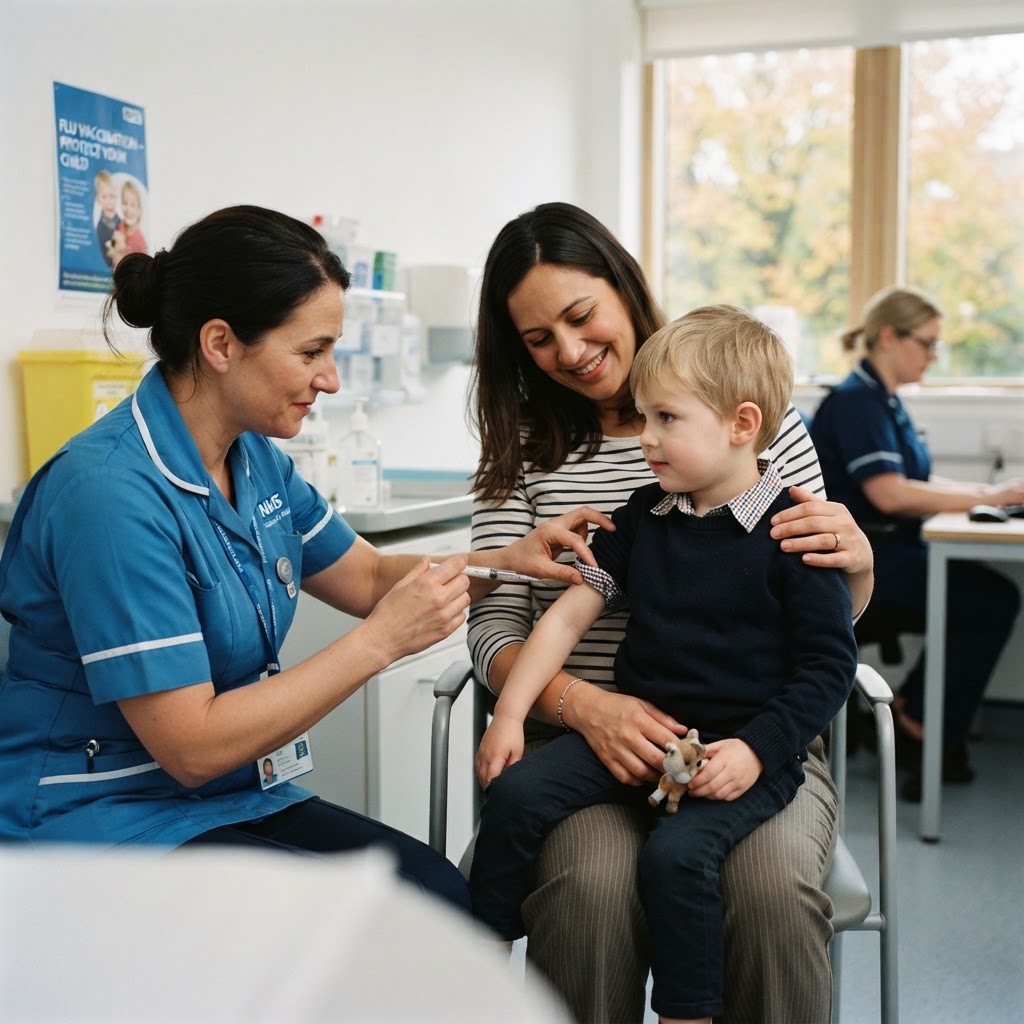
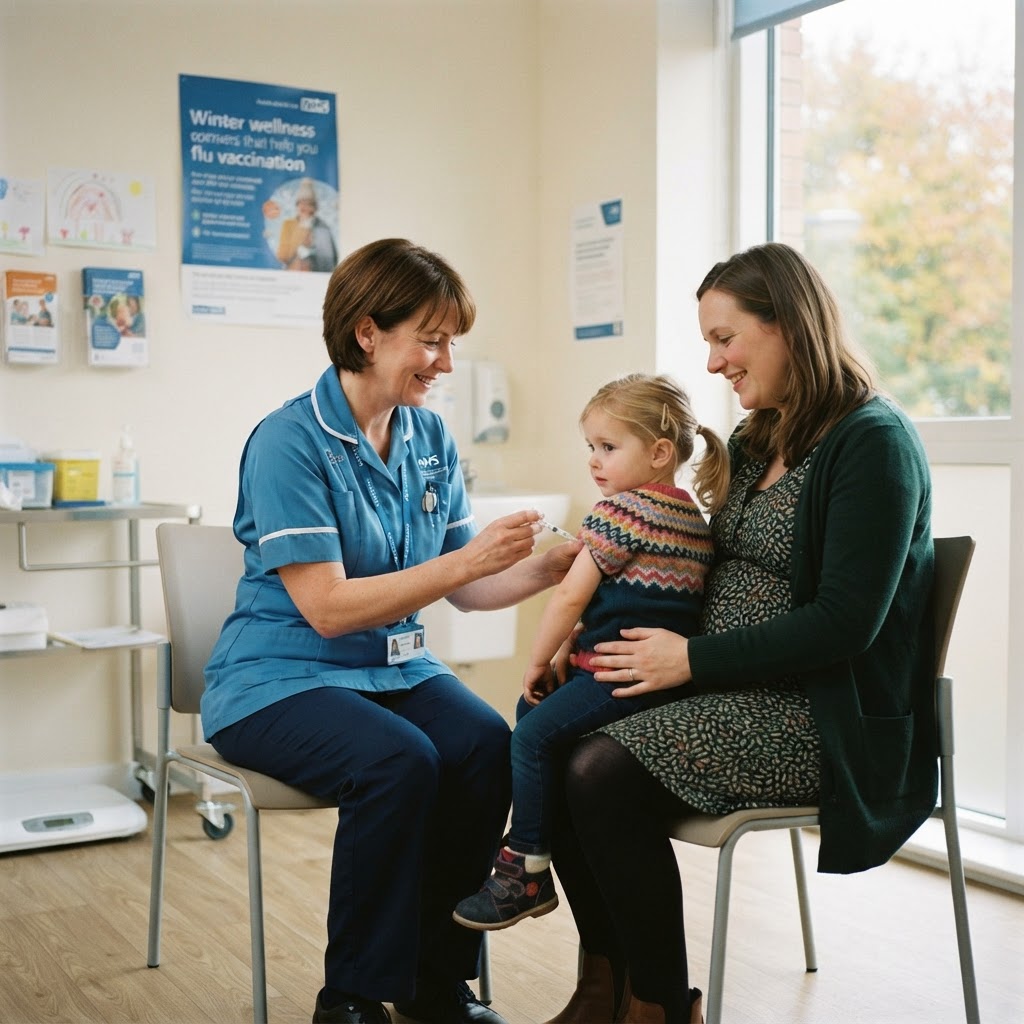
A Proactive Stance on Public Health The National Health Service commenced its seasonal influenza immunisation programme on September 30, 2026, marking the start of a critical period for national health security. By prioritising children and pregnant women during this initial phase, policymakers are attempting to mitigate the twin threats of seasonal influenza and the residual risks of respiratory pathogens that frequently overwhelm urgent care departments during the winter months.
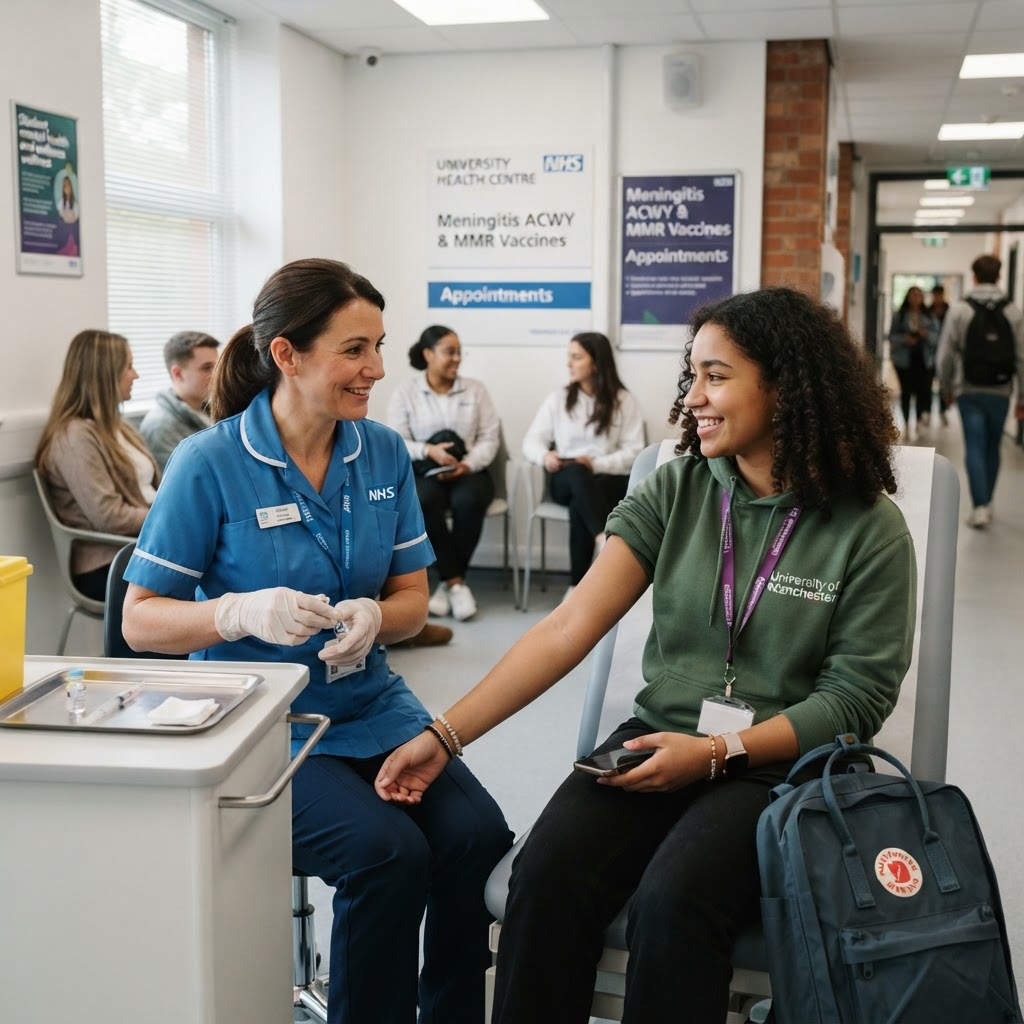
Dr. Helen Moore reports that the strategic rollout arrives at a pivotal moment. The service aims to replicate the logistical success observed earlier this autumn, when a targeted campaign saw nearly a quarter of a million young people receive MenB vaccinations. This preparatory work, focused on students transitioning into university life, has provided the NHS with a refined operational blueprint for the broader flu campaign now underway across England.
The Clinical Rationale Medical experts emphasise that the biological rationale for prioritising these specific demographics is clear. Pregnant women face an elevated risk of severe complications from influenza, with physiological changes during gestation making the respiratory and immune systems more susceptible to infection. For children, the objective is two-fold: direct clinical protection and the reduction of viral transmission within schools and households. By dampening the spread among younger age groups, the NHS hopes to disrupt the chains of transmission that often lead to widespread community outbreaks.
Public health officials have stressed that this year’s initiative is not merely a bureaucratic requirement but a fundamental pillar of winter resilience. With the healthcare system navigating ongoing capacity constraints, the reduction of influenza-related admissions is seen as a necessary safeguard for the broader stability of A&E departments.
Refining the Logistics The success of the recent MenB programme serves as a case study for health authorities. By streamlining the delivery of vaccines through educational institutions and community clinics, the NHS demonstrated an ability to mobilise resources with significant speed. This experience is now being applied to the flu programme, which utilises a decentralised network of GP surgeries, pharmacies, and dedicated school-based teams to ensure accessibility for those at highest risk.
However, analysts caution that the efficacy of the programme depends heavily on public uptake. Maintaining community confidence remains a priority, particularly as the NHS faces the challenge of communicating the importance of the jab amidst a busy autumn news cycle. Engagement with local authorities and community leaders is expected to play a vital role in ensuring that coverage levels meet the targets necessary to establish effective herd immunity within schools.
“The success of this programme is not merely a logistical milestone but a fundamental pillar of our collective resilience against the seasonal pressures that threaten to compromise health service capacity.”
A Broader Strategy for Winter While the current focus is on children and pregnant women, the broader immunisation strategy will expand in the coming weeks to include older adults and those with long-term health conditions. This phased approach allows the health service to manage the procurement and distribution of vaccines effectively, avoiding the supply bottlenecks that have historically plagued national campaigns.
As the country transitions into the winter period, the message from Whitehall is one of cautious preparation. Ministers have indicated that they are closely monitoring vaccine take-up rates, with regular updates expected throughout October. For now, the focus rests on early intervention, ensuring that the most vulnerable segments of the population are protected before the inevitable drop in temperatures increases the prevalence of indoor respiratory transmission.