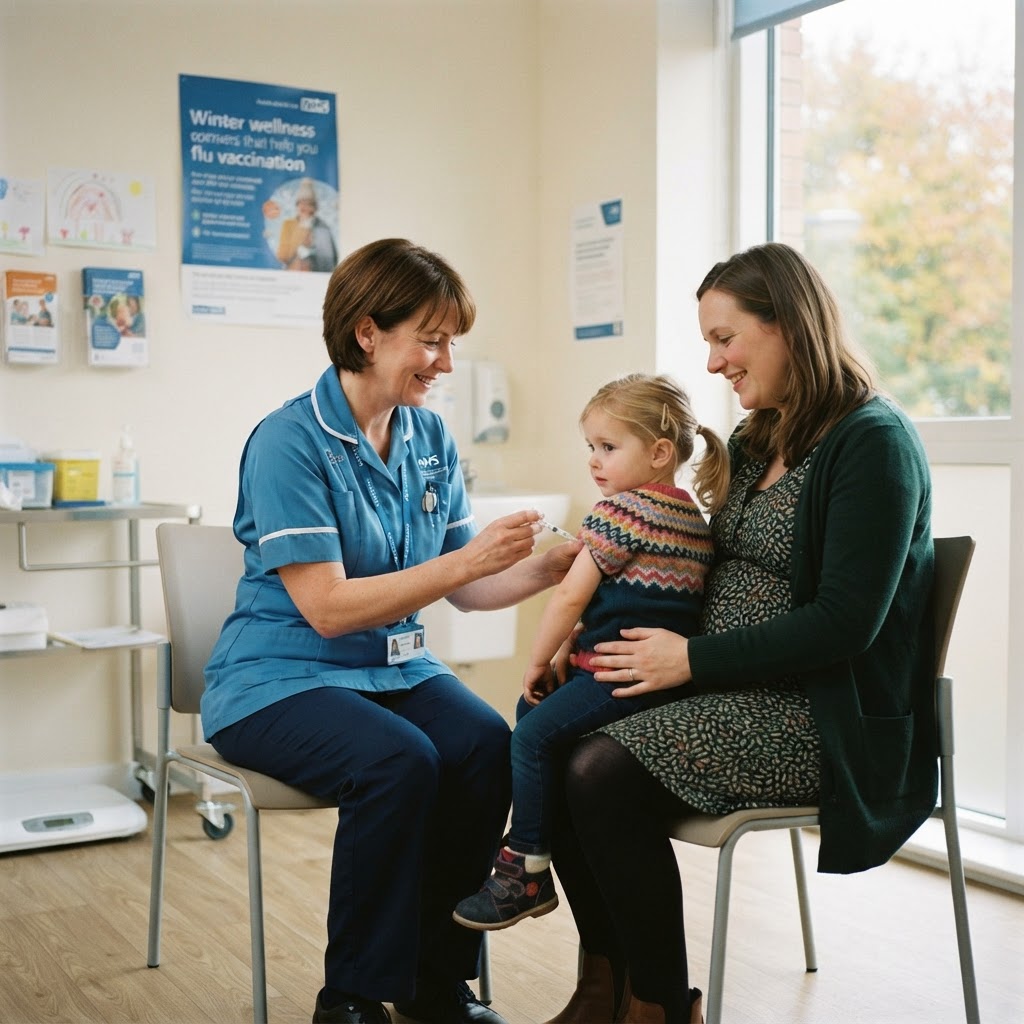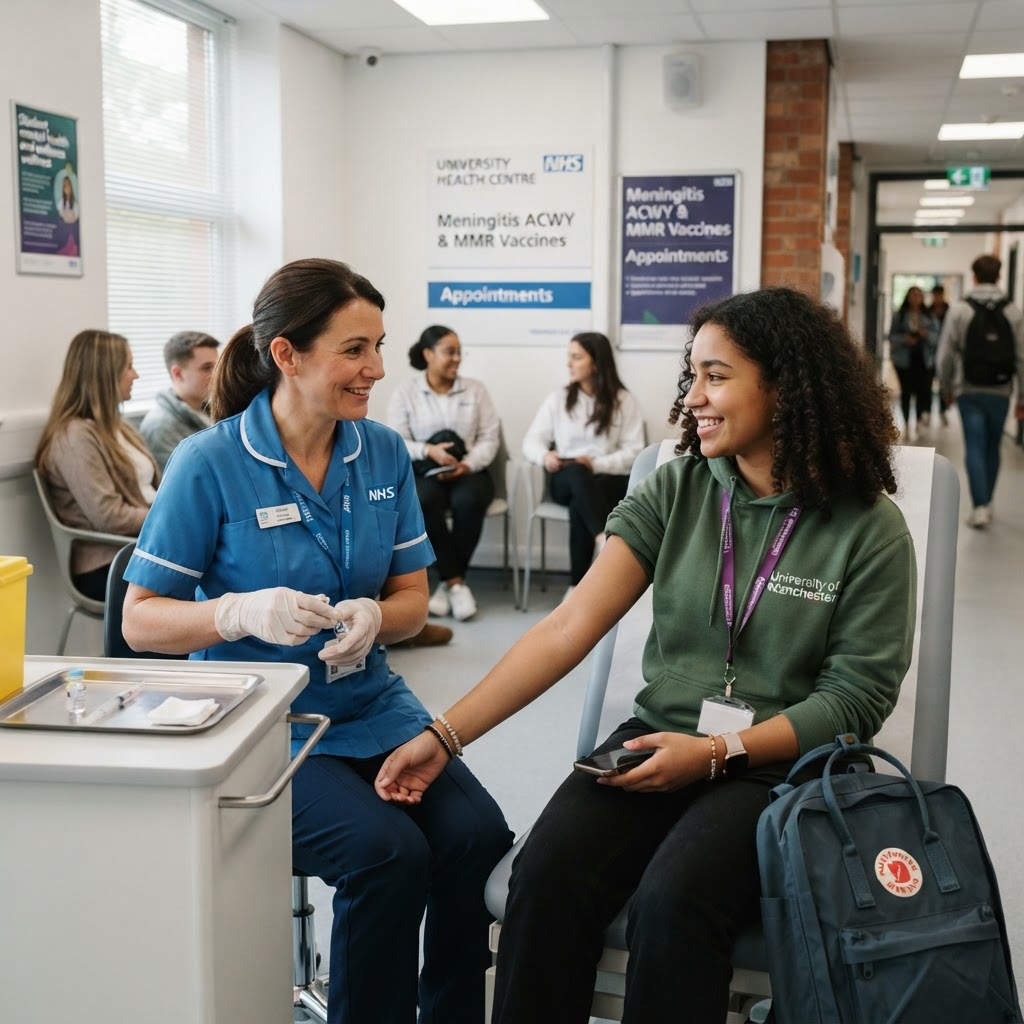

NHS Initiates Winter Vaccination Drive to Avert Seasonal Healthcare Crisis
As temperatures begin to drop, the health service has launched its annual immunisation programme targeting vulnerable groups. Officials are moving to bolster population immunity to mitigate the anticipated pressure on acute care settings.
SC
Samantha Cole
Health Correspondent
Published 1 October 2026·about 17 hours ago 3 min read
Text
TopicsNHSPublic HealthVaccinationWinter FluMenBHealthcareUK News
About the Author
SC
Samantha Cole
Health Correspondent
Samantha Cole reports for National Post UK with a focus on rigorous analysis and authoritative journalism — a trusted voice across British public life.
Reader Discussion · 6
Subscribers can join the conversation.
SUBSCRIBE TO COMMENT →J
Julian Foster1 Oct
It is a logical move to prevent hospital admissions from spiking in January. I had my flu jab yesterday and it was a very quick and efficient process at the local pharmacy.
E
Eleanor Rigby1 Oct
My local GP practice has not even sent out the invites yet. They always seem to be behind schedule despite the national announcements.
P
Peter O'Connell1 Oct
The NHS infrastructure is already at breaking point without these extra drives. While I support the health advice, I wonder if the funding would be better spent on clearing the massive elective surgery backlogs instead.
S
Sarah Jenkins1 Oct
As a frontline worker, I see how much of a difference these vaccinations make. It is about protecting the most vulnerable in our community rather than just ourselves.
D
David Bennett1 Oct
I am not sure why they start so early in September when the cold weather does not really set in until November. I will wait until later in the autumn to get my jab so the protection lasts longer.
M
Margaret Thompson1 Oct
It is reassuring to see the rollout start early this year. Given the pressure the wards were under last December, this is a sensible precaution for everyone to take.