A Modern Encounter with the Middle Ages Stepping into the darkened, climate-controlled galleries of the British Museum, one might expect to find only the hushed reverence typically reserved for antiquities. Instead, the atmosphere is electric. The Bayeux Tapestry, that sprawling, 70-metre linen chronicle of the 1066 Norman Conquest, has been transformed from a classroom staple into the focal point of a national cultural awakening. Since its arrival in London, the exhibition has defied expectations, transcending its scholarly origins to become a genuine social phenomenon.
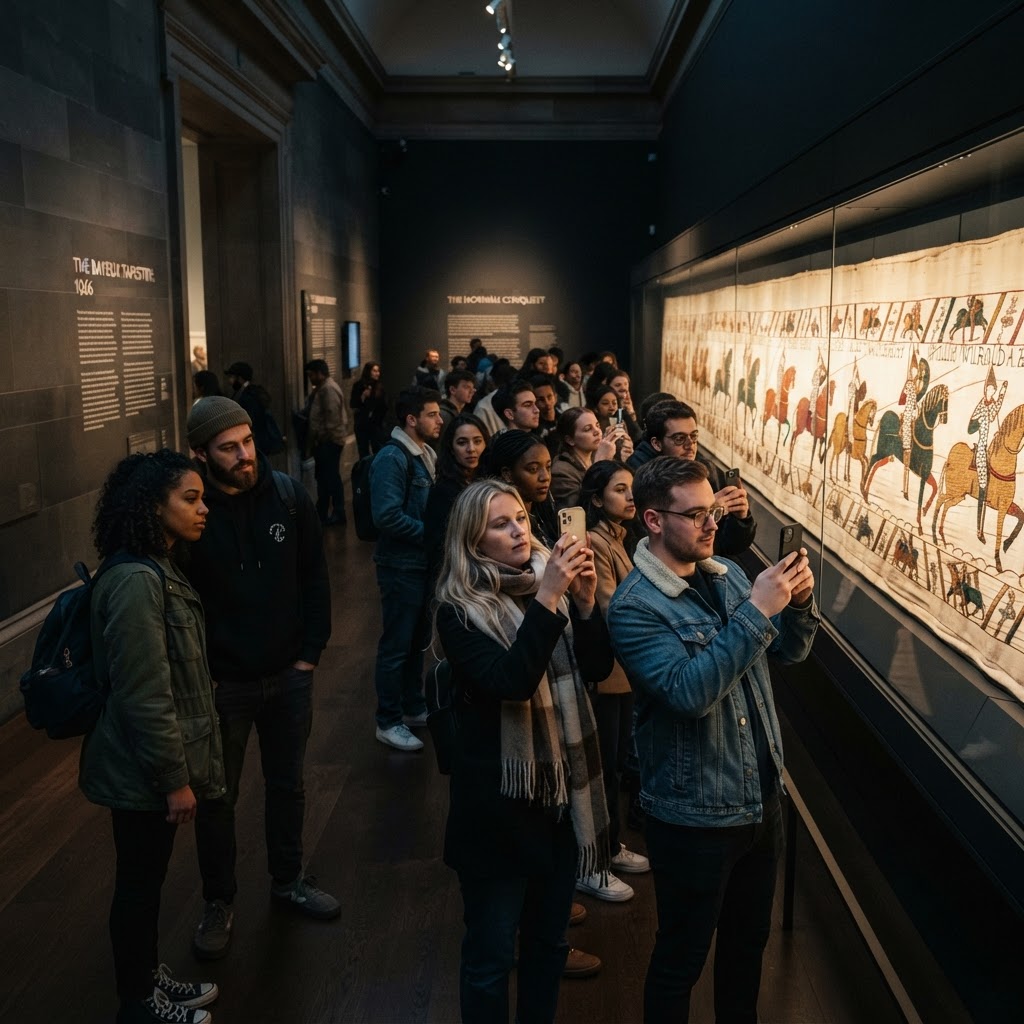
While historical exhibitions often attract a demographic dominated by retirees and school groups, the current display at the British Museum has seen a marked surge in visitors under the age of thirty. This trend has left curators and cultural commentators scrambling to define the 'Bayeux effect.' It appears that in an era defined by digital ephemerality, there is a profound, almost primal, appetite for the tangible, the epic, and the meticulously crafted.
The Anatomy of an Icon Commissioned, as tradition suggests, by Bishop Odo of Bayeux shortly after the Battle of Hastings, the tapestry serves as both a political manifesto and a vibrant piece of propaganda. Yet, its appeal today reaches far beyond its historical utility. Its stark, narrative style—often compared to a precursor of the modern graphic novel—seems to resonate with a generation conditioned by visual storytelling.
Dr. Alistair Finch, a senior historian at the University of Oxford, suggests that the tapestry’s aesthetic simplicity is its greatest strength. 'There is a raw, brutal honesty in these stitches,' he explains. 'In the age of high-definition CGI and manufactured spectacle, the medieval focus on character, conflict, and consequence feels remarkably human. Visitors are not just looking at a textile; they are reading a tragedy.' This sentiment is echoed across social media platforms, where younger attendees frequently document their pilgrimage to the museum, often drawing parallels between the political machinations depicted in the embroidery and contemporary power struggles.
Curating the Collective Memory The British Museum’s presentation of the work has been masterfully calibrated to balance academic rigour with accessibility. By placing the tapestry within the broader context of Anglo-Norman history, the curators have ensured that the exhibit remains an educational triumph. However, it is the scale of the installation that truly impresses, allowing the narrative to unfurl in a manner that feels cinematic.
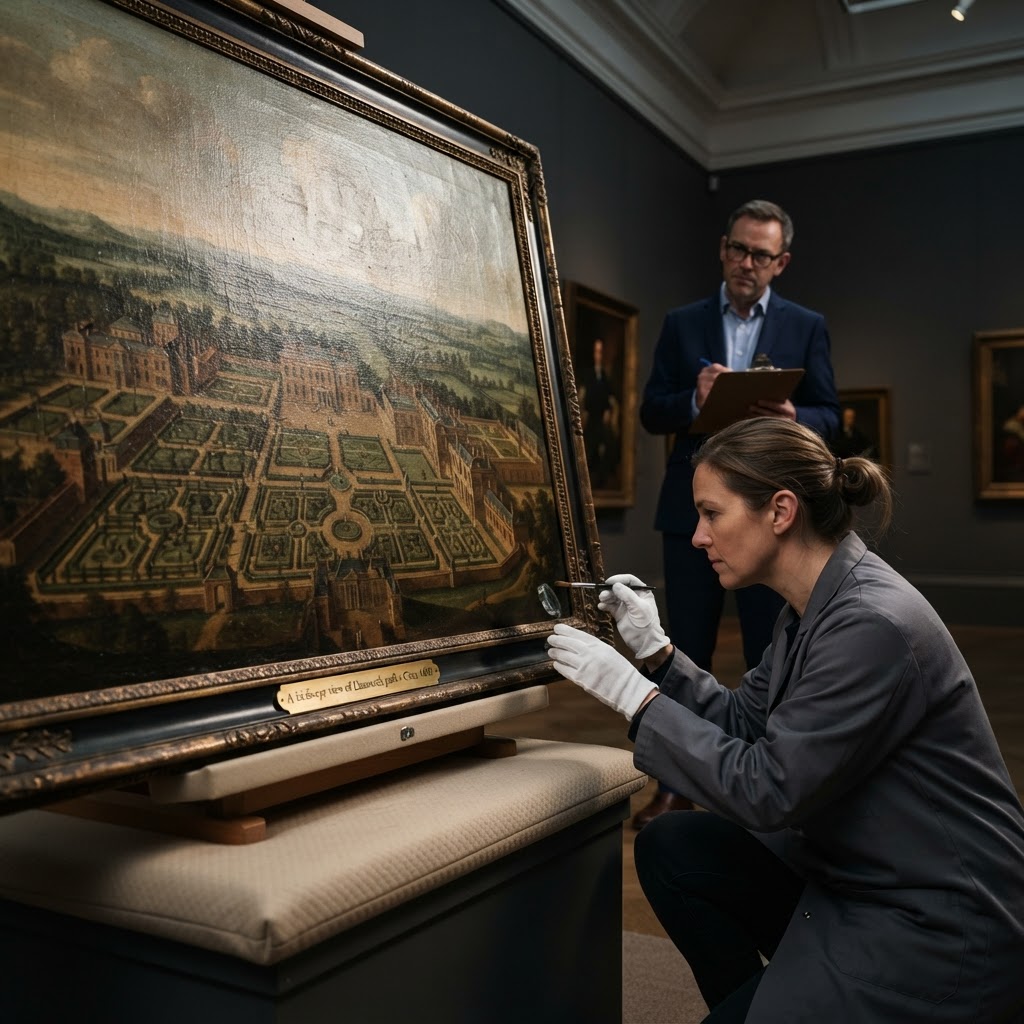
The logistical feat of transporting and housing such a fragile artefact cannot be overstated. The preservation team has utilised state-of-the-art lighting and climate control to ensure that the 950-year-old wool retains its vibrancy. This technological investment has paid dividends, transforming a fragile relic into a vivid, accessible narrative that feels immediate and urgent.
“In the age of high-definition CGI and manufactured spectacle, the medieval focus on character, conflict, and consequence feels remarkably human.”
A Mirror to the Present What remains most striking about the exhibition is the dialogue it fosters. It is not uncommon to witness long queues snaking through the Great Court, filled with students, young professionals, and international visitors debating the validity of Harold Godwinson’s claim or the cruelty of William the Conqueror. The tapestry has become a catalyst for a national conversation about heritage, identity, and the very nature of Britishness.
As the exhibition continues to draw capacity crowds, it stands as a testament to the enduring power of historical truth. Whether this interest will evolve into a sustained fascination with the medieval period remains to be seen, but for now, the Bayeux Tapestry serves as a poignant reminder that history is not merely a record of the past, but a living, breathing component of our cultural present.