National Post UK
State Intervention Halts Sale of Rare 1662 Welsh Landscape

The government has imposed a temporary export ban on a significant depiction of Llannerch Park, valuing the preservation

The National Post

HomeCulture
Culture

State Intervention Halts Sale of Rare 1662 Welsh Landscape

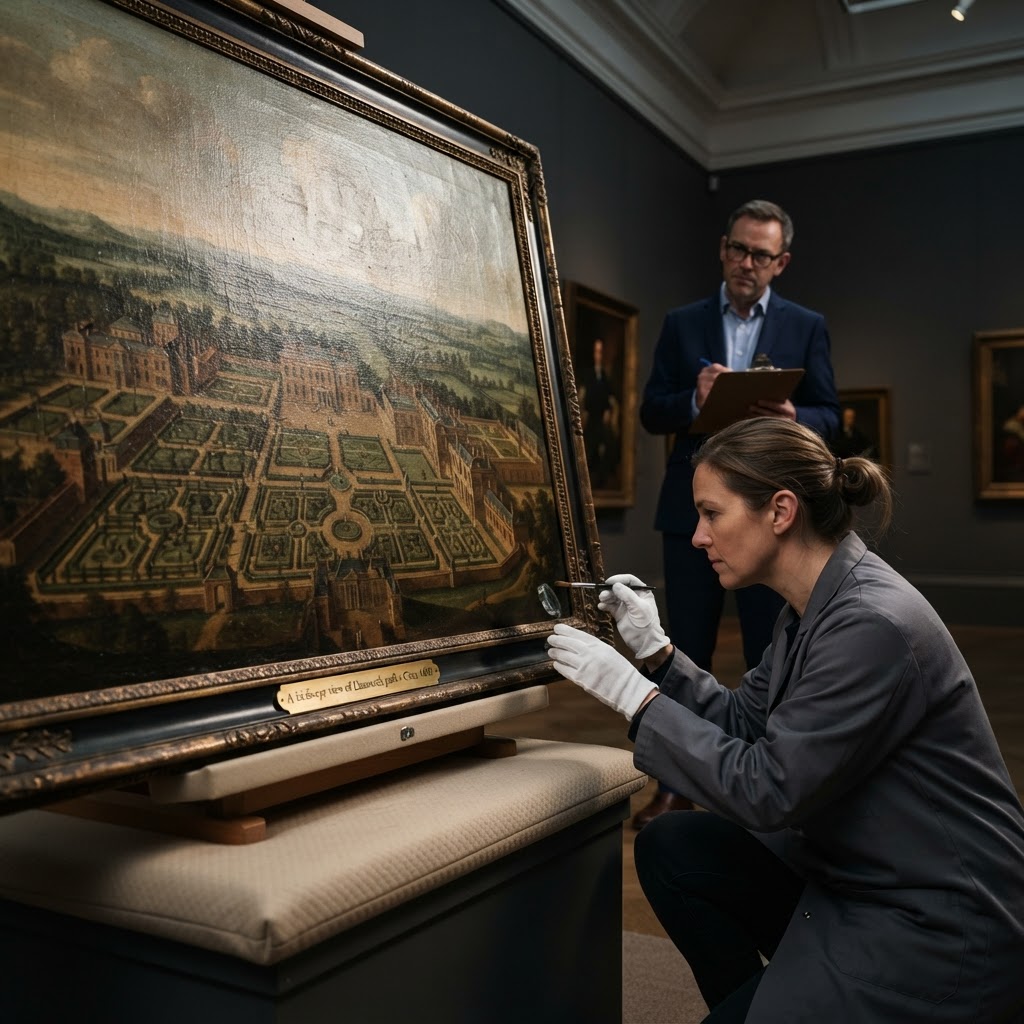
The government has imposed a temporary export ban on a significant depiction of Llannerch Park, valuing the preservation of British artistic heritage over private international sale. The move provides a crucial window for national institutions to secure the masterpiece.

BO

Benjamin Osei

Culture Editor

Published 25 November 2026·about 2 hours ago 3 min read
Text
Share

A Portrait of a Lost Estate The British government has intervened to prevent the departure of a historically significant landscape painting, placing a temporary export ban on an anonymous artist’s 1662 depiction of Llannerch Park in northeast Wales. The artwork, valued at £550,000, serves as a poignant visual record of a country estate that has undergone profound structural changes since the Restoration period. By halting the potential sale to an overseas buyer, the Department for Culture, Media and Sport has signalled that the nation’s heritage assets remain a protected priority, even when they carry substantial market valuations.

The Weight of Historical Significance The painting is not merely an aesthetic object but a vital document for architectural and social historians. Llannerch Park, situated in the Vale of Clwyd, was once renowned for its elaborate terraced gardens and architectural grandeur during the mid-17th century. The work captures a specific moment in the life of the estate, providing scholars with insights into the landscape design and horticultural practices of the era, many of which have since been lost to time and agricultural reorganisation. Experts argue that the painting possesses unique provenance, linking it directly to the cultural aspirations of the Welsh gentry following the restoration of the monarchy.

Procedural Safeguards The export ban functions as a cooling-off period, designed to facilitate a domestic solution. According to standard procedure, the government grants UK-based institutions—such as the National Museum Wales or regional galleries—a structured timeframe to raise the necessary funds to match the £550,000 asking price. This mechanism is essential in preventing 'cultural flight,' where pieces of national importance are absorbed into private collections abroad, effectively vanishing from public discourse. Sir Peter Llewellyn, an advisor on art heritage, noted that the painting represents a pivotal shift in British landscape traditions. He emphasised that allowing the work to leave the jurisdiction would represent an irreversible loss to our understanding of regional identity.

The Financial Challenge Securing the funding remains a significant hurdle for public institutions currently navigating a period of fiscal restraint. However, the prestige associated with the Llannerch Park piece is expected to attract interest from private benefactors and charitable trusts dedicated to Welsh heritage. While the government cannot provide the capital to purchase the work, it acts as the steward of the process, ensuring that the marketplace does not dictate the finality of our historical narrative. The decision reflects a growing consensus that, in an increasingly globalised art market, the state must play an active role in maintaining a repository of national memory.

The Outlook for Preservation As the clock begins to tick on the temporary stay, the cultural sector will be watching closely. Should a British institution succeed in securing the funds, the painting will likely form the centrepiece of an exhibition exploring the intersection of art and landscape architecture. If no buyer emerges, the export license will be granted, and the painting will face an uncertain future far from its home in northeast Wales. For now, the 1662 masterpiece remains under the purview of national protection, waiting to see if a domestic home can be found for a relic of Wales’s grand past.

TopicsArtsCultureUK HeritageWalesLlannerch ParkExport Ban
Share

About the Author

BO

Benjamin Osei

Culture Editor

Benjamin Osei reports for National Post UK with a focus on rigorous analysis and authoritative journalism — a trusted voice across British public life.

Reader Discussion · 6

Subscribers can join the conversation.

SUBSCRIBE TO COMMENT →
M
Margaret Hughes25 Nov

It feels like the state interferes too much with private property these days. If the owner wants to sell it abroad, surely that is their right as the owner.

R
Robert Sterling25 Nov

Painting styles from the 1660s are so distinct, especially the landscape work coming out of Wales at the time. I hope a museum can find the funding to keep it on home soil.

C
Clare Thompson25 Nov

It is an interesting historical document, but I struggle with the idea of a temporary export ban. Does it really change anything, or does it just delay the inevitable sale to an international buyer?

D
David Llewellyn25 Nov

As someone from that area, I would love to see this displayed locally. It is vital that pieces depicting Welsh heritage remain accessible to the people who live there.

S
Sarah Jenkins25 Nov

I wonder if it will actually end up in a public gallery or just sit in a basement somewhere. £550,000 is a lot of taxpayers' money to be throwing around when there are more pressing issues.

A
Arthur Penhaligon25 Nov

About time the government stepped in. We have lost far too many of our cultural treasures to private overseas collections over the last few decades.

More from Culture

Most Read in Culture

Morning Briefing

The day's top stories, before 7am

Join 40,000 readers who start their morning with National Post UK.