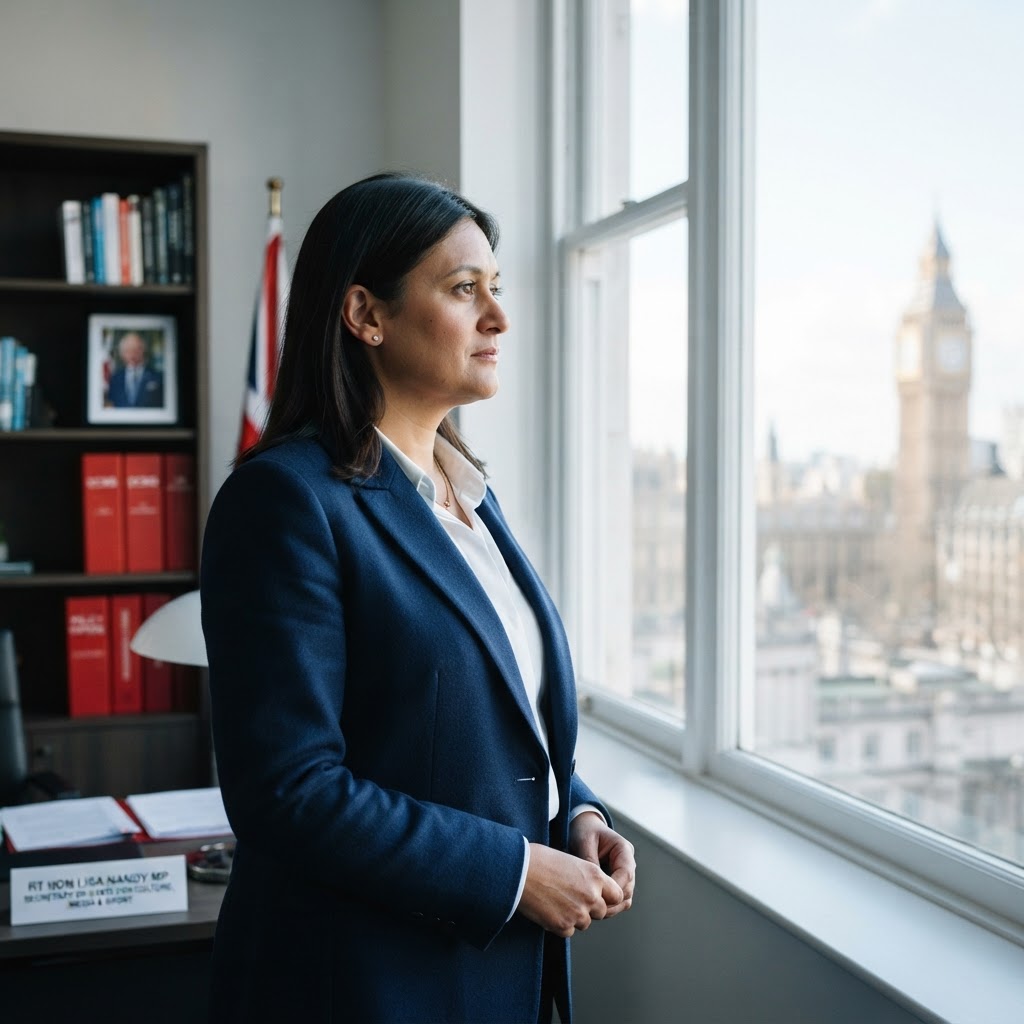
The Shadow Over the Screen For too long, the glitter of the British film and television industries has masked a grittier reality of entrenched power imbalances and professional intimidation. This week, the veil was pulled back further as Culture Secretary Lisa Nandy summoned an unprecedented coalition of thirty-two media titans to Westminster. The gathering, which included the heads of the BBC, Netflix, Amazon, Bafta, and the BFI, marks the start of a rigorous government-led interrogation into the safeguarding practices that underpin the nation's creative output.
The meeting represents a pivotal shift in the government’s posture toward an industry that often prides itself on progressive values while harbouring regressive working practices. Ms. Nandy’s objective is twofold: to dismantle the systemic abuses of power that have plagued production sets for decades and to provide a robust framework of support for the freelancers and junior staff who form the industry’s backbone but remain its most precarious members.
The NDA Conundrum Perhaps the most significant development to emerge from the summit is the focus on non-disclosure agreements, or NDAs. These legal instruments, theoretically designed to protect intellectual property and trade secrets, have become synonymous with the suppression of dissent and the silencing of trauma within the sector. Next month, the Department for Culture, Media and Sport (DCMS) committee will formalise this scrutiny with a dedicated evidence session.
The inquiry will seek to answer a fundamental question: have these agreements evolved into a tool that prevents the reporting of abusive or unacceptable behaviour? Legal observers have long argued that the weaponisation of confidentiality clauses creates a chilling effect, where the fear of litigation effectively buys the silence of victims. By forcing the issue into the light of a parliamentary committee, the government is signaling that the era of 'hush money' in British media must come to an end.
A Fractured Freelance Workforce The urgency of this review is underscored by the unique nature of the creative workforce. Unlike traditional corporate environments where HR departments offer a clear, if sometimes flawed, path for grievances, the media sector relies heavily on a transient population of freelancers. These individuals often drift from one high-pressure production to another, lacking long-term job security or the protection of a permanent contract. When abuse occurs, the risk of being blacklisted for complaining acts as a formidable deterrent.
Industry bodies have acknowledged that the current status quo is unsustainable. Leaders from NBCUniversal and Skydance, both present at the roundtable, are acutely aware that international scrutiny—particularly from the US—is increasing. As Britain seeks to maintain its status as a global hub for film and high-end television, it cannot afford to be viewed as a jurisdiction where workplace toxicity is left unchecked.
“The era of using confidentiality clauses as a shield for misconduct must be brought to an abrupt and permanent end.”