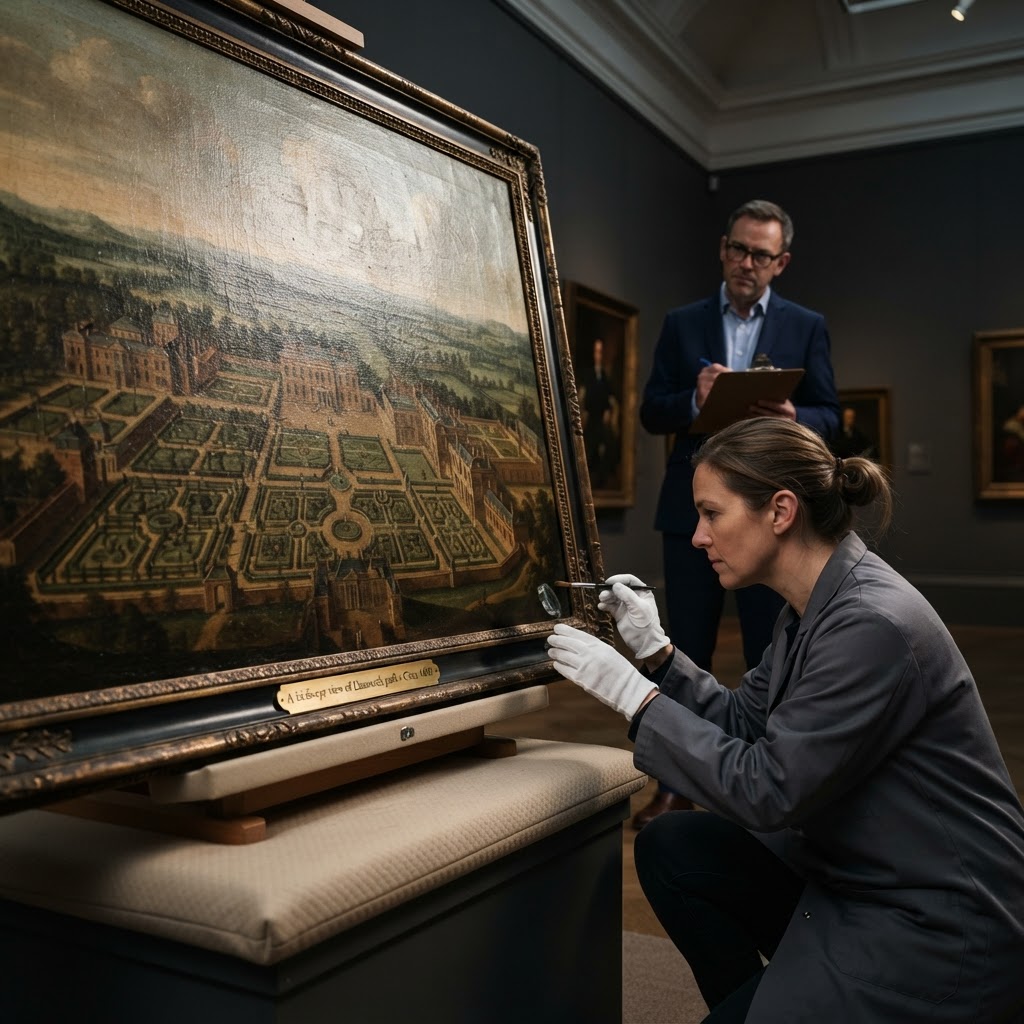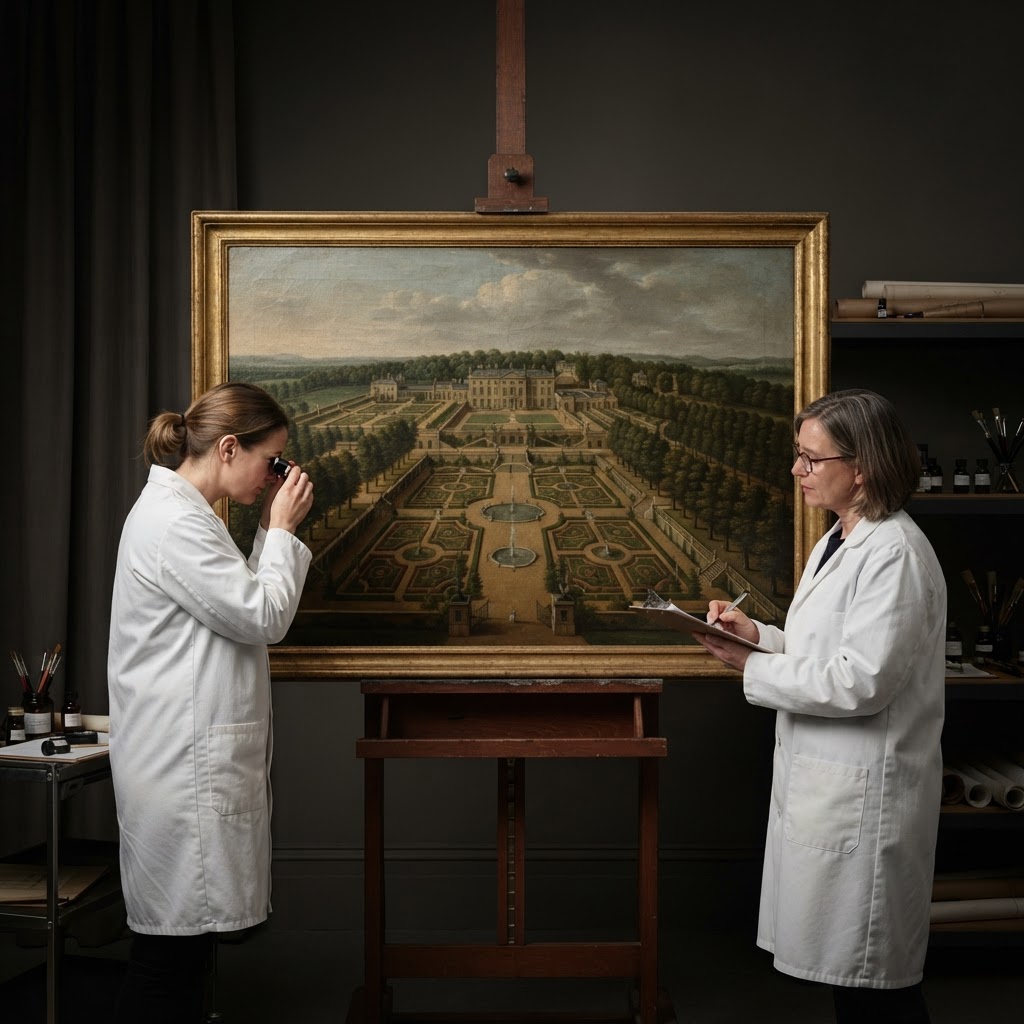
A Window into the Restoration Era The history of the British landscape is as much about the cultivation of land as it is about the canvas. This week, the Department for Digital, Culture, Media and Sport confirmed that a rare 1662 oil painting, documenting the verdant majesty of the Llannerch Park estate in northeast Wales, has been placed under a temporary export bar. The decision marks a significant intervention by the state to protect a work of exceptional cultural and historical importance from disappearing into an overseas private collection.
Valued at £550,000, the painting offers an unparalleled glimpse into the aesthetics of the mid-17th century. At a time when the Welsh countryside was undergoing architectural and horticultural transformation, this work serves as an essential record of the period. Experts note that such depictions of country estates are not merely decorative, but act as primary sources for historians tracing the evolution of British land management and aristocratic influence.
The Weight of Institutional Advice The move to halt the export was taken following a rigorous recommendation from the Reviewing Committee on the Export of Works of Art and Objects of Cultural Interest. The committee, which advises the Secretary of State, operates under strict criteria to determine whether an object is so closely connected with our history and national life that its departure would be a profound misfortune.
Dr. Eleanor Vance, an independent art historian, notes that the Llannerch Park piece is a quintessential example of the topographical art that flourished following the Restoration. The painting captures the precise, deliberate arrangement of the grounds, reflecting the owner's ambition to project wealth and order through landscape design. To allow such an item to leave the United Kingdom would be to lose a physical anchor to a formative era of our nation’s rural development.
A Race for Provenance and Preservation The temporary ban provides a crucial window—currently set to expire in early 2027—for a UK-based gallery, museum, or private collector to step forward and match the asking price. While £550,000 is a substantial sum, the government is hopeful that the rarity of the painting will incentivise public institutions or charitable trusts to explore acquisition funding, potentially bolstered by Heritage Lottery grants or private philanthropy.
The export licensing system is a vital, if occasionally contentious, mechanism for cultural preservation. While it respects the rights of current owners to trade their property, it acknowledges that certain items carry a weight of collective identity that transcends private ownership. As the deadline looms, the question for the arts community is whether the current economic climate will permit the repatriation of this Welsh masterpiece, or if it will face the risk of being consigned to a permanent, inaccessible obscurity abroad.
“To allow such an item to leave the United Kingdom would be to lose a physical anchor to a formative era of our nation’s rural development.”
Ultimately, the preservation of the Llannerch Park painting is about more than paint and canvas; it is an assertion of our responsibility to safeguard the visual narrative of the United Kingdom for future generations. The coming months will be a testament to whether we remain committed to protecting the integrity of our cultural heritage in an increasingly globalised market.