
National Post UK
Literary heavyweights clash as 2026 Booker shortlist emerges from brutal deliberation

After weeks of intense debate, the judging panel has unveiled the six novels vying for this year’s Booker Prize. Describ

The National Post

HomeCulture
Culture

Literary heavyweights clash as 2026 Booker shortlist emerges from brutal deliberation

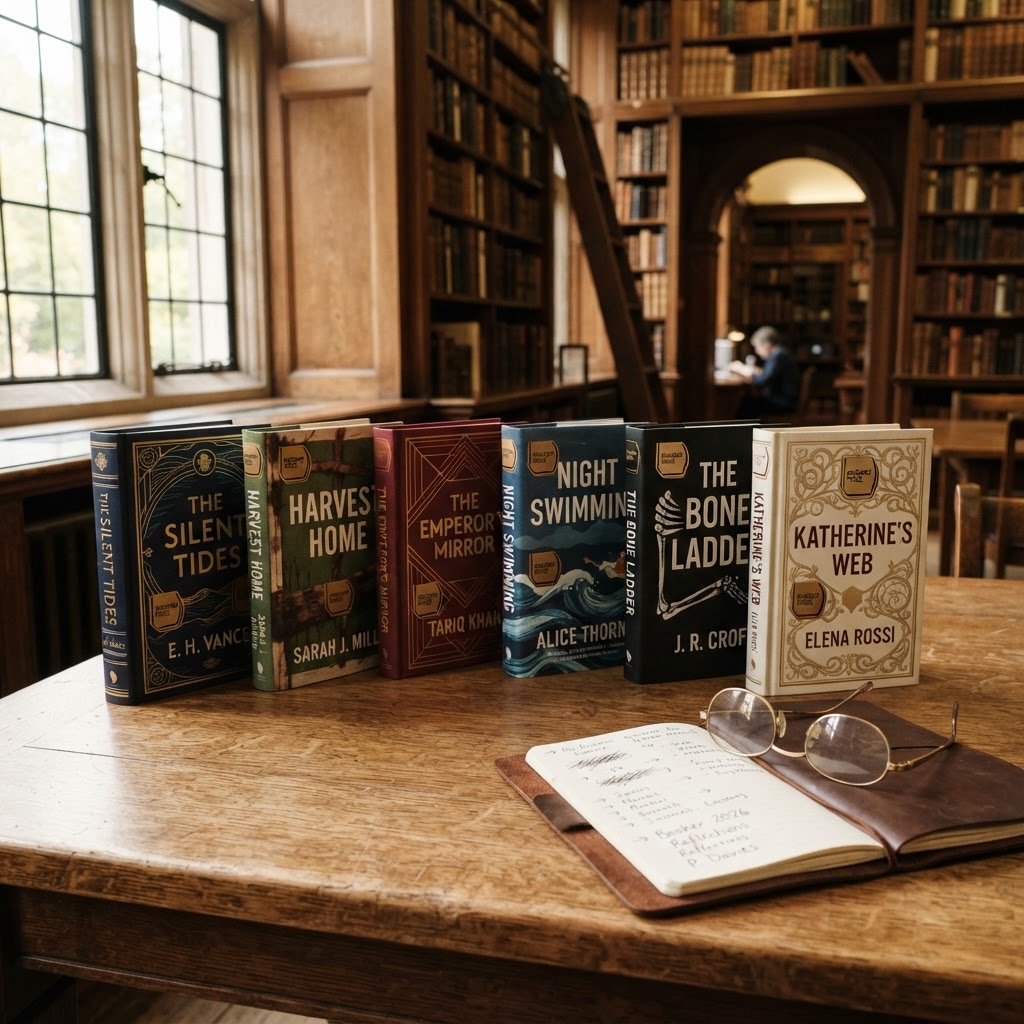
After weeks of intense debate, the judging panel has unveiled the six novels vying for this year’s Booker Prize. Described by panellists as a taxing process, the selection reflects a turbulent period for contemporary fiction.

VC

Victoria Cross

Culture Editor

Published 11 October 2026·2 days ago 3 min read
Text
Share

A Season of Literary Tussles The literary establishment in London has finally received clarity on the frontrunners for this year's most coveted accolade. On 22 September 2026, the judges of the Booker Prize revealed their shortlist, bringing an end to a period of deliberation that was characterised by insiders as an exceptionally rigorous and combative exercise. For those following the evolution of the English-language novel, the announcement represents a pivotal moment in a calendar year defined by bold experimentation and a return to the political novel.

The Burden of Selection Speaking from the press conference at the Southbank Centre, the chair of the judges noted that the final six books were not chosen through consensus, but rather through a sustained intellectual confrontation. The term 'tussle' has been used frequently in the days since the reveal, suggesting that the panel struggled to reconcile competing visions of what a prize-winning novel should achieve in 2026. This friction, however, is a hallmark of the Booker’s enduring significance. The prize, now in its fifth decade, continues to act as a bellwether for the health of literature across the Commonwealth and beyond.

The Weight of the Competition This year’s field is marked by an unusually strong contingent of debut authors alongside established names who have seen their influence wane and wax over the last decade. Critics have pointed out that the shortlist avoids the safe, domestic narratives that often populate longlists, favouring instead works that confront the environmental anxieties and geopolitical fracturing that define our current era. It is clear that the judges prioritised authors who were willing to engage with the uncomfortable realities of post-referendum Britain and the broader global instability that has characterised the mid-2020s.

The Cultural Significance To win the Booker is to be cemented in the canon of English literature, a fact not lost on the shortlisted authors as they prepare for the gala in November. The prize carries with it not only a significant financial reward but a guaranteed shift in career trajectory, often elevating writers from niche critical acclaim to the global stage. As the market for physical books remains robust despite the digital encroachment, the Booker acts as a necessary filter for readers overwhelmed by the sheer volume of annual publications. It remains the ultimate arbiter of quality, providing a singular focus for our national culture.

Reflections on the Process The intensity of the judging panel’s process serves as a reminder that literature remains a deeply subjective and contested arena. As the industry turns its gaze toward the final announcement in November, the conversation will undoubtedly shift from the mechanics of the shortlist to the substance of the prose itself. Whatever the final result, this year's selection ensures that the Booker Prize maintains its reputation for sparking debate, challenging conventions, and forcing us to reconsider the state of the contemporary novel.

TopicsBooker PrizeLiteratureBooksCulturePublishingUK Arts
Share

About the Author

VC

Victoria Cross

Culture Editor

Victoria Cross reports for National Post UK with a focus on rigorous analysis and authoritative journalism — a trusted voice across British public life.

Reader Discussion · 5

Subscribers can join the conversation.

SUBSCRIBE TO COMMENT →
D
David Whitaker11 Oct

Glad to see some new voices finally getting a look in. Whether you agree with the selection or not, the Booker remains the only prize that truly drives the conversation about modern literature in this country.

E
Elaine Patterson11 Oct

Does anyone else feel like the Booker Prize has lost its way? I miss the days when the shortlist featured stories that were actually grounded in reality instead of these overly abstract projects.

M
Marcus O'Shea11 Oct

I am interested to see how the deliberations went behind closed doors. Usually, there is a clear frontrunner, but the reports of a brutal process suggest we might be in for a surprise winner this time around.

S
Sarah Jenkins11 Oct

I have been reading through the shortlist and I must say the quality of prose this year is exceptional. It is a refreshing change to see such bold, experimental narratives getting the recognition they deserve.

J
Julian Thorne11 Oct

Another year, another list of books that nobody will actually find on their local bookstore shelves. It feels like the judges choose these purely to satisfy their own academic vanity rather than considering what the average reader might enjoy.

More from Culture

Most Read in Culture

Morning Briefing

The day's top stories, before 7am

Join 40,000 readers who start their morning with National Post UK.