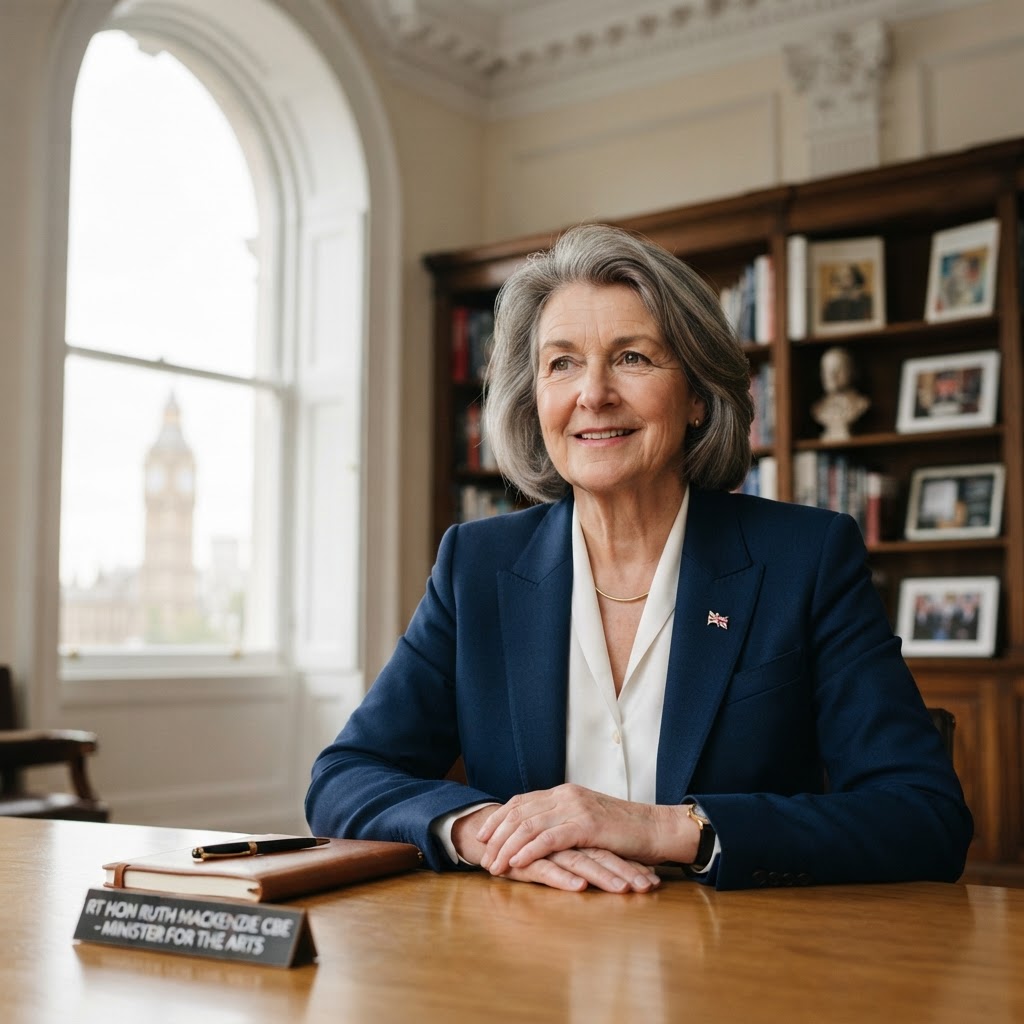
A New Chapter for the Creative Sector The appointment of Ruth Mackenzie as the UK’s new Minister for the Arts represents a deliberate pivot by Prime Minister Andy Burnham towards a technocratic, experience-led approach to cultural policy. Stepping into the role of Parliamentary Under-Secretary of State at the Department for Digital, Culture, Media and Sport on 22 July, Mackenzie arrives with a pedigree that spans the breadth of the global arts landscape. Her elevation is not merely an administrative reshuffle; it is a statement of intent for an incoming government that has pledged to revitalise a creative sector currently grappling with funding shortfalls and post-pandemic institutional fragility.
Mackenzie is perhaps best known for her transformative tenure as the Director of Arts at the British Council. However, her CV is far more expansive, covering high-level leadership roles in theatre, opera, and major international festivals across the UK, Europe, and Australia. This global perspective is expected to be a primary asset as the government seeks to bolster Britain’s soft power on the international stage.
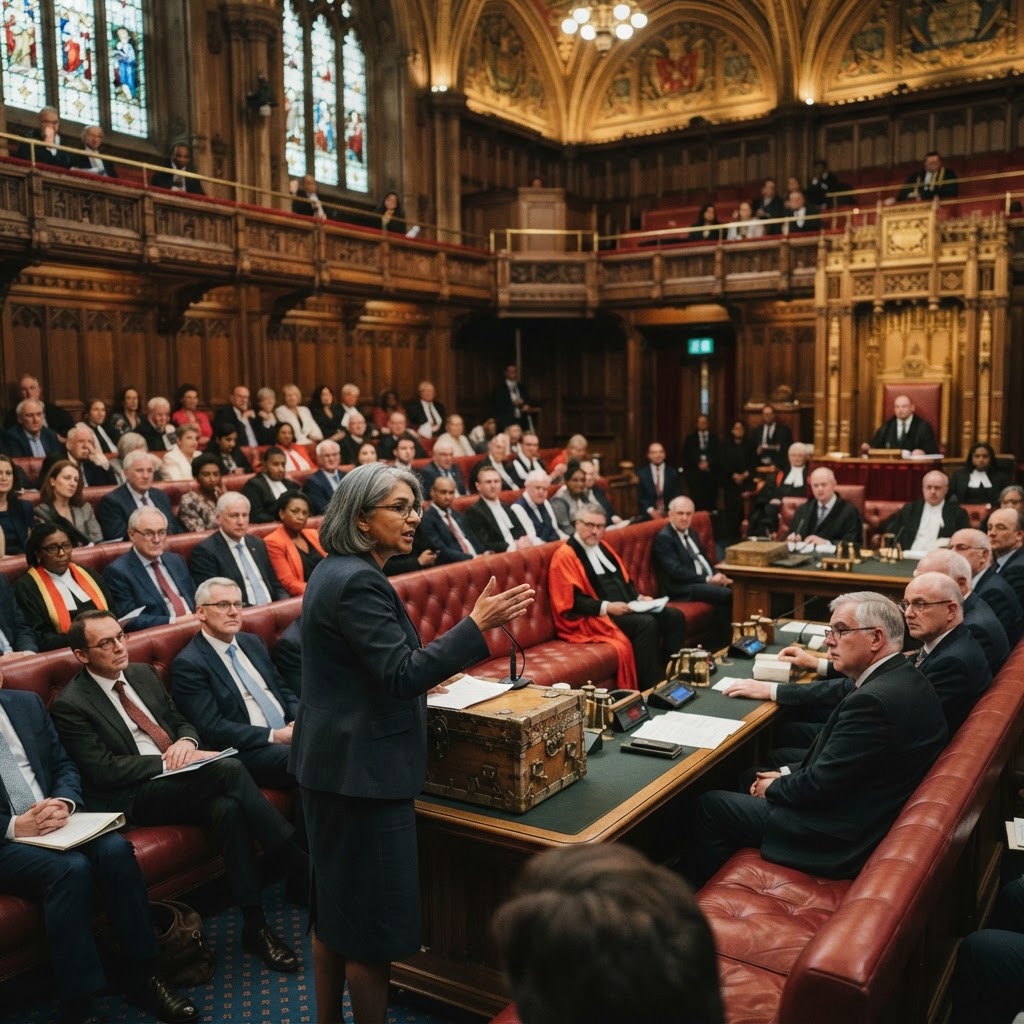
From the Boardroom to the Dispatch Box The transition from cultural practitioner to front-bench politician is rarely seamless, yet industry insiders have greeted Mackenzie’s appointment with cautious optimism. Unlike many political appointees who arrive at the DCMS with little more than a manifesto, Mackenzie has spent decades navigating the specific pressures of cultural funding, audience development, and international artistic diplomacy. Her nomination for a life peerage grants her the necessary authority to navigate the House of Lords, ensuring that arts policy remains a central pillar of legislative discourse rather than an afterthought.
Supporters suggest that her background will allow her to bridge the widening gap between Whitehall and the creative industries. For years, major national institutions have felt disconnected from policy makers; Mackenzie’s appointment offers a chance for a more nuanced dialogue. Critics, however, will be watching closely to see how she manages the inevitable conflicts between political austerity and the chronic need for investment in the arts.
Addressing the Structural Deficit The challenges facing the sector are manifold. Regional inequality remains a significant hurdle, with many fearing that the concentration of resources in the capital leaves provincial venues neglected. Mackenzie has long been a proponent of decentralising cultural investment, a philosophy that aligns with the Prime Minister’s broader agenda for regional empowerment. Whether she can translate her experience in festival management into a sustainable national strategy for grassroots arts remains the central question of her term.
Furthermore, the creative sector faces a cooling of private philanthropic interest and a changing digital landscape that threatens traditional revenue models for opera and classical music. As Mackenzie settles into her role at the DCMS, she will be expected to produce a roadmap that safeguards the UK’s global standing as a cultural powerhouse while ensuring that arts access is not restricted to the metropolitan elite.
“Her appointment is not merely an administrative reshuffle; it is a statement of intent for an incoming government that has pledged to revitalise a creative sector currently grappling with institutional fragility.”
Expert Perspectives Industry experts have highlighted that her international experience could prove vital in negotiating post-Brexit artistic mobility. The current complexities surrounding visas for touring musicians and theatre companies have been a persistent thorn in the side of the creative economy. If Mackenzie can leverage her extensive network across Europe and Australia to secure more favourable arrangements for artistic exchange, her tenure will be considered a success by the industry at large.
Ultimately, Ruth Mackenzie enters office at a pivotal moment. Her task is to prove that the arts are not a luxury for the privileged few, but an essential component of the nation's economic and social fabric. It is a formidable challenge, but one that she is perhaps uniquely qualified to undertake.