After years of dominating the digital zeitgeist with satirical character work, Munya Chawawa is hanging up his phone to tread the boards. As he makes his Shakespearean debut, the industry asks whether social media stars can successfully navigate the rigours of the professional stage.
A Departure from the Digital Feed
For the better part of a decade, the flickering screens of millions of Britons have been illuminated by the rapid-fire wit of Munya Chawawa. His ability to distill complex socio-political issues into bite-sized, satirical sketches earned him a position as one of the country's most formidable online commentators. Yet, as of mid-September 2026, that digital output has ceased. In a move that has sent ripples through the entertainment industry, Chawawa has formally announced a pivot away from the platform-driven content that made him a household name, opting instead for the demanding discipline of professional stage acting.
The Weight of the Bard
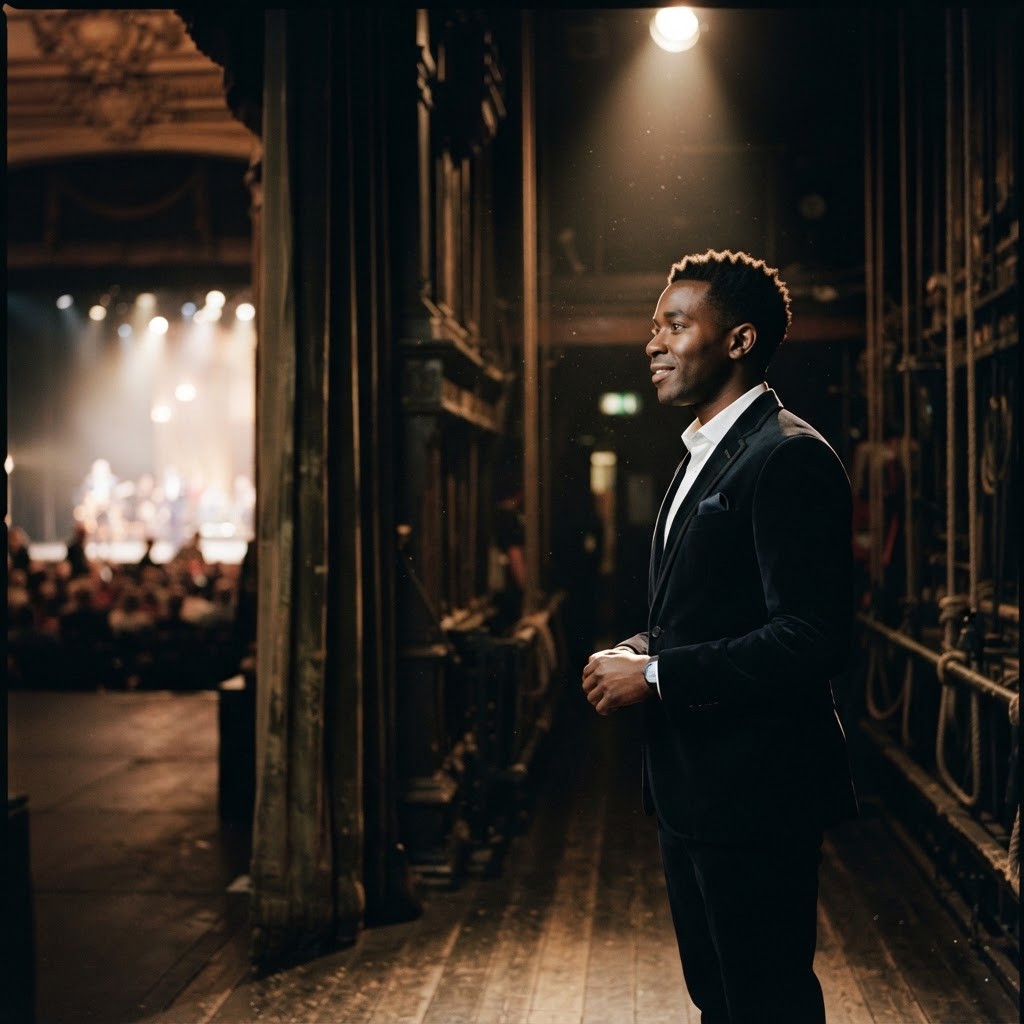
The transition is not merely a change of medium but an existential shift in craft. Chawawa’s debut in a major Shakespearean production, confirmed earlier this month, represents a traditionalist baptism of fire. In the hallowed spaces of British theatre, where the mastery of Iambic pentameter and the projection of stage presence remain the gold standard, the comedian’s entry is met with both curiosity and apprehension. For a performer accustomed to the instantaneous feedback loop of likes and shares, the sustained, high-stakes environment of a West End theatre offers a starkly different metric of success.
The Cultural Pivot
Industry analysts suggest that Chawawa’s move is symptomatic of a broader trend among digital creators seeking long-term artistic validation. The 'burnout' associated with the algorithmic demands of social media is well-documented, yet few have the audacity to walk away from a million-strong audience to restart at the bottom of the theatrical hierarchy. Critics often overlook the technical acumen required to produce, edit, and perform viral comedy; however, the leap to classical theatre requires an entirely different set of muscles. There is a profound difference between the intimacy of a front-facing camera and the requirement to command a thousand-seat auditorium.
The Professional Consensus
Theatre practitioners remain divided on the influx of online personalities into mainstream drama. Some argue that the industry, which historically relied on rigorous RADA training and years of regional rep work, is being commodified by the influence of follower counts. Conversely, others maintain that the stage has always evolved through the inclusion of new, vibrant voices. Chawawa, who has proven his versatility through his diverse roster of characters, may find that the discipline of the rehearsal room provides the creative nourishment his recent digital work perhaps lacked. As he steps into the spotlight, the audience will be looking for more than a mimic; they will be looking for the emergence of a serious actor capable of inhabiting a role rather than simply impersonating a social type.
What Comes Next
Whether this career pivot yields a lasting legacy in the arts remains to be seen. The graveyard of cross-over performers is littered with those who could not survive the transition from the screen to the stage. Yet, Chawawa’s career has been defined by his ability to pivot, to stay relevant, and to understand the changing demands of his audience. As the curtains rise on his new chapter, the question is no longer about how many people are watching, but rather whether his craft can stand the test of the theatre's unyielding gaze.