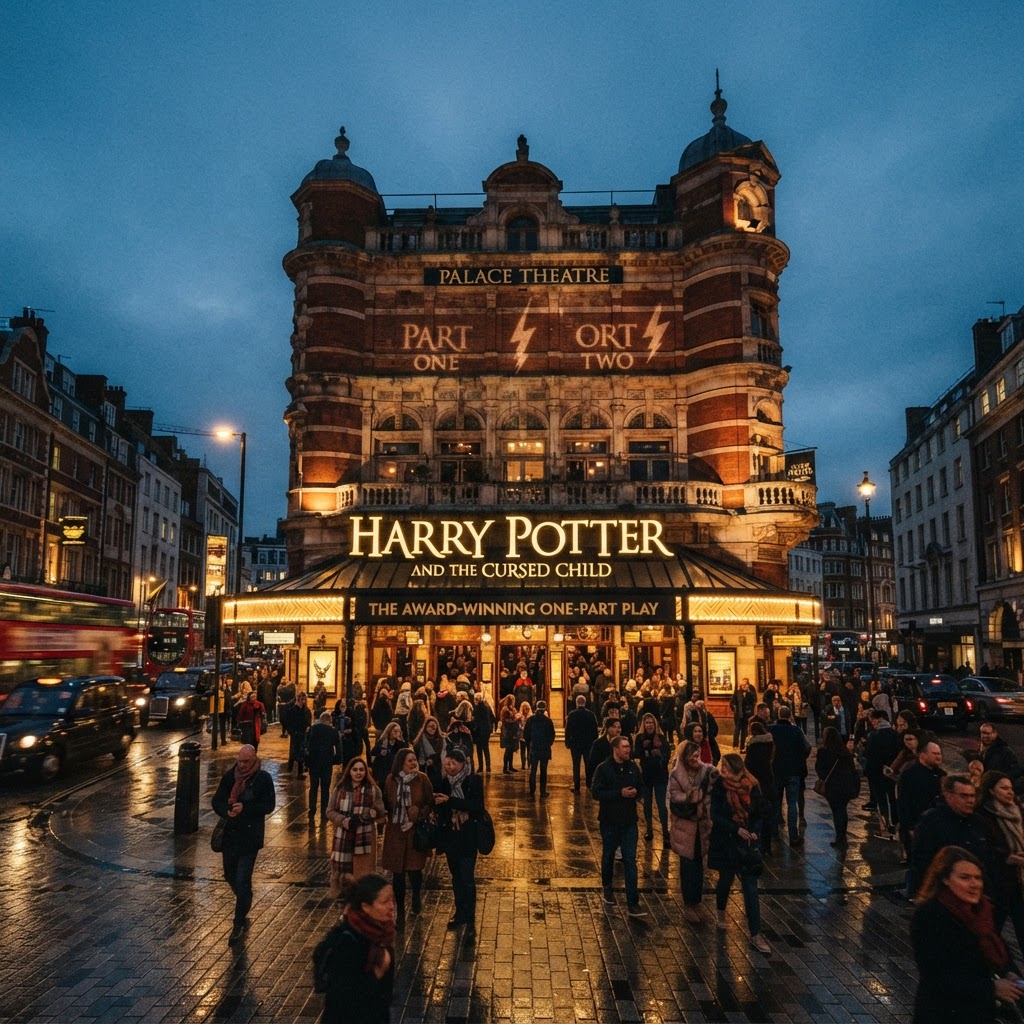
A Decade of Enchantment at the Palace Theatre For ten years, the Palace Theatre has been the epicentre of a theatrical phenomenon that reshaped the West End. Since its premiere in 2016, Jack Thorne’s Harry Potter and the Cursed Child has stood as a monumental achievement, demanding a dual-night commitment from audiences eager to see the next chapter in J.K. Rowling’s wizarding world. However, as of next month, the production will embark on its most significant evolution to date: condensing its sprawling two-part narrative into a single, cohesive performance.
Economic Pressures and Accessibility The decision to consolidate the play is not merely an artistic choice but a pragmatic response to the shifting economic landscape of the United Kingdom. Producers have been candid regarding the challenges posed by the cost-of-living crisis, which has exerted immense pressure on both theatre management and the public. Maintaining a production that requires patrons to purchase two tickets—often across consecutive evenings or a marathon weekend stint—has become, in the words of those behind the curtain, an impossible model to sustain in the current financial climate.
Market analysts note that while the play remains a cornerstone of British tourism, the discretionary spending required for a two-part theatrical experience has become prohibitive for many families. By transitioning to a single-part format, the production aims to remove the barrier of travel and accommodation costs that often accompanied the two-part journey, effectively democratising access to one of London’s most beloved shows.
The Evolution of West End Dramaturgy Theatre historians have long debated the merits of the multi-part format. While the original production thrived on the epic pacing allowed by its five-hour duration, the industry has seen a broader trend toward efficiency and accessibility. Critics argue that this condensation could breathe new life into the narrative, forcing a sharper, more punchy delivery of the complex time-travelling plot. The challenge, of course, lies in maintaining the emotional gravity and character development that made the original iteration a critical darling.
Industry expert Julian Halloway, a consultant in West End operations, suggests that this shift is indicative of a wider move toward agility. Theatres are under increasing pressure to ensure that high-ticket items remain relevant to a younger, more fiscally conscious generation. If the Palace Theatre can successfully re-engineer this narrative, it may set a new standard for long-running blockbusters, proving that endurance in the theatre requires not just longevity, but the ability to listen to the audience’s changing needs.