As the inaugural shortlist for the UK Town of Culture initiative is unveiled, three distinct locales emerge as frontrunners. The competition promises a radical shift in how we measure the cultural vitality of Britain's smaller towns.
A New Chapter for Regional Identity
In a landscape long dominated by the gravitational pull of London, Manchester, and Edinburgh, a seismic shift in cultural policy has finally arrived. Yesterday, the inaugural shortlist for the UK Town of Culture was announced, marking the beginning of a competition designed to elevate the voices and artistic contributions of Britain's smaller, often overlooked municipalities. The initiative, born from a desire to address the disparity in regional investment, has identified a diverse cohort of contenders: the historic market town of Pontypridd, the industrial powerhouse of Birkenhead, and the rugged, storied landscape of the Isle of Bute.
The Contenders
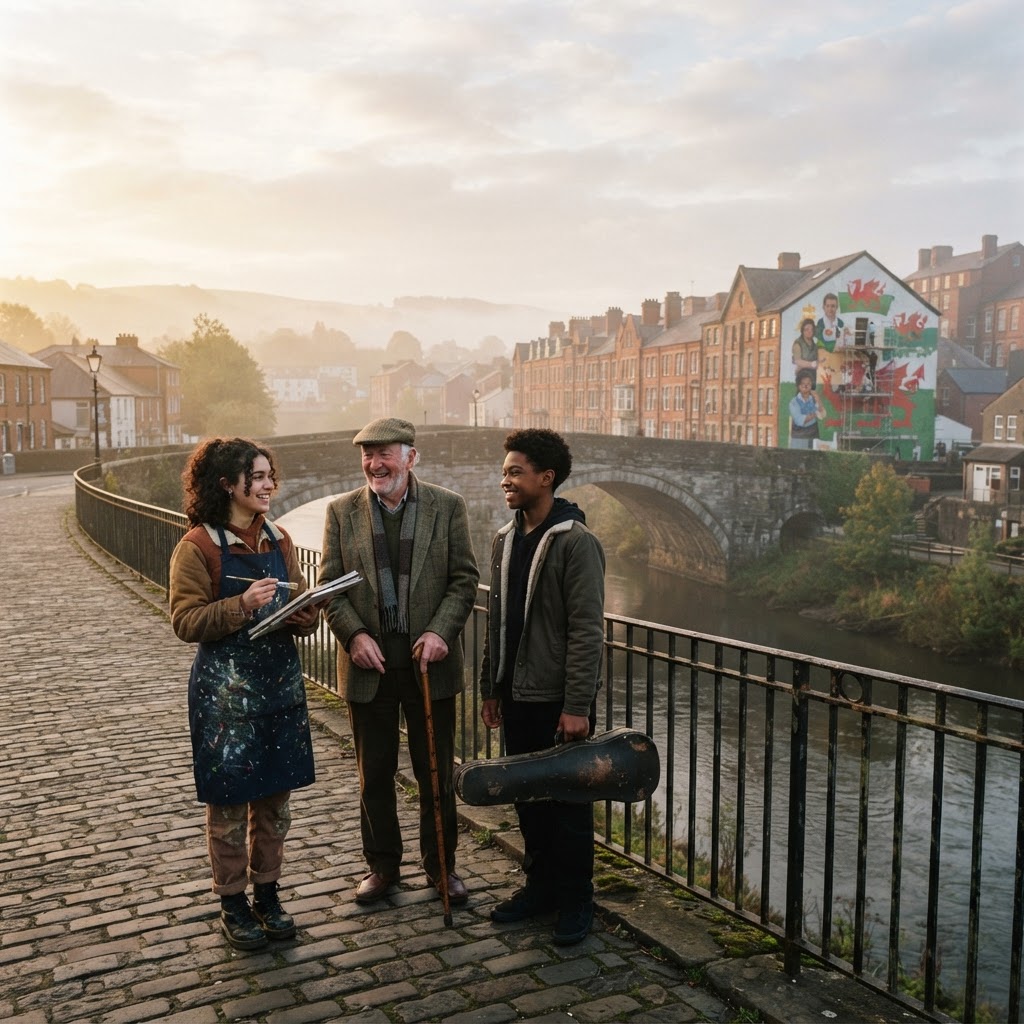
Pontypridd, situated in the heart of the Rhondda Cynon Taf, has long been a crucible of Welsh musical and literary tradition. Supporters of the bid highlight its recent successes in community-led heritage projects as evidence of a town that is both deeply rooted in history and aggressively forward-looking. Meanwhile, Birkenhead represents the resurgence of the post-industrial north. With its ambitious docklands regeneration programme and a burgeoning independent creative sector, the Wirral town is positioning itself as a hub of maritime cultural renewal. Finally, the Isle of Bute brings a unique perspective to the table. As a quintessential island community, its submission centres on themes of resilience, ecological heritage, and the distinctive cultural identity forged by its geography.
Shifting the Cultural Lens
Dr. Alistair Finch, an urban sociologist at the University of Birmingham, views this competition as a long-overdue rectification of the cultural map. For decades, the ‘City of Culture’ model has served as an effective, if occasionally flawed, instrument for urban revitalisation in major metropolitan areas. By applying this framework to smaller towns, the government and independent arts bodies are acknowledging that cultural vitality is not merely a product of population density. Small-scale investment can, in many ways, have a more profound impact on civic pride and local economic stability than the flagship projects seen in our largest cities.
The Economic Argument
The stakes for the winning town go well beyond the prestige of the title. The designation carries with it a significant package of funding, infrastructure development, and national promotional support. In an era of tightening local government budgets, this prize represents a genuine lifeline for local arts organisations. Critics, however, remain cautious. The history of large-scale cultural events is littered with examples of 'white elephants'—projects that promise transformation but deliver only temporary visibility. Ensuring that the legacy of this title benefits residents long after the celebrations conclude will be the primary challenge for the successful candidate.
Looking Ahead
The announcement of the shortlist serves as a catalyst for a national conversation about what we value in our shared heritage. Are we looking for the preservation of historic sites, or are we seeking spaces for contemporary innovation? As the panel of experts prepares to visit each location over the coming months, the residents of Pontypridd, Birkenhead, and Bute find themselves at the centre of a profound debate regarding the future of British regionalism. Whoever carries the inaugural title, the process itself has already succeeded in doing what the organisers intended: refocusing our attention on the immense, often quiet, cultural richness of the British Isles.