National Post UK
Arts Council Governance Reforms: Whitehall Sets New Course for Cultural Access

The government has finally published its response to the Hodge Review, seeking to recalibrate the relationship between W

The National Post

HomeCulture
Culture

Arts Council Governance Reforms: Whitehall Sets New Course for Cultural Access

The government has finally published its response to the Hodge Review, seeking to recalibrate the relationship between Westminster, the Arts Council and regional cultural bodies. As the Local Government Association signals cautious optimism, the challenge remains to bridge the divide between national funding strategies and local delivery.

VC

Victoria Cross

Culture Editor

Published 21 September 2026·23 days ago 3 min read
Text
Share

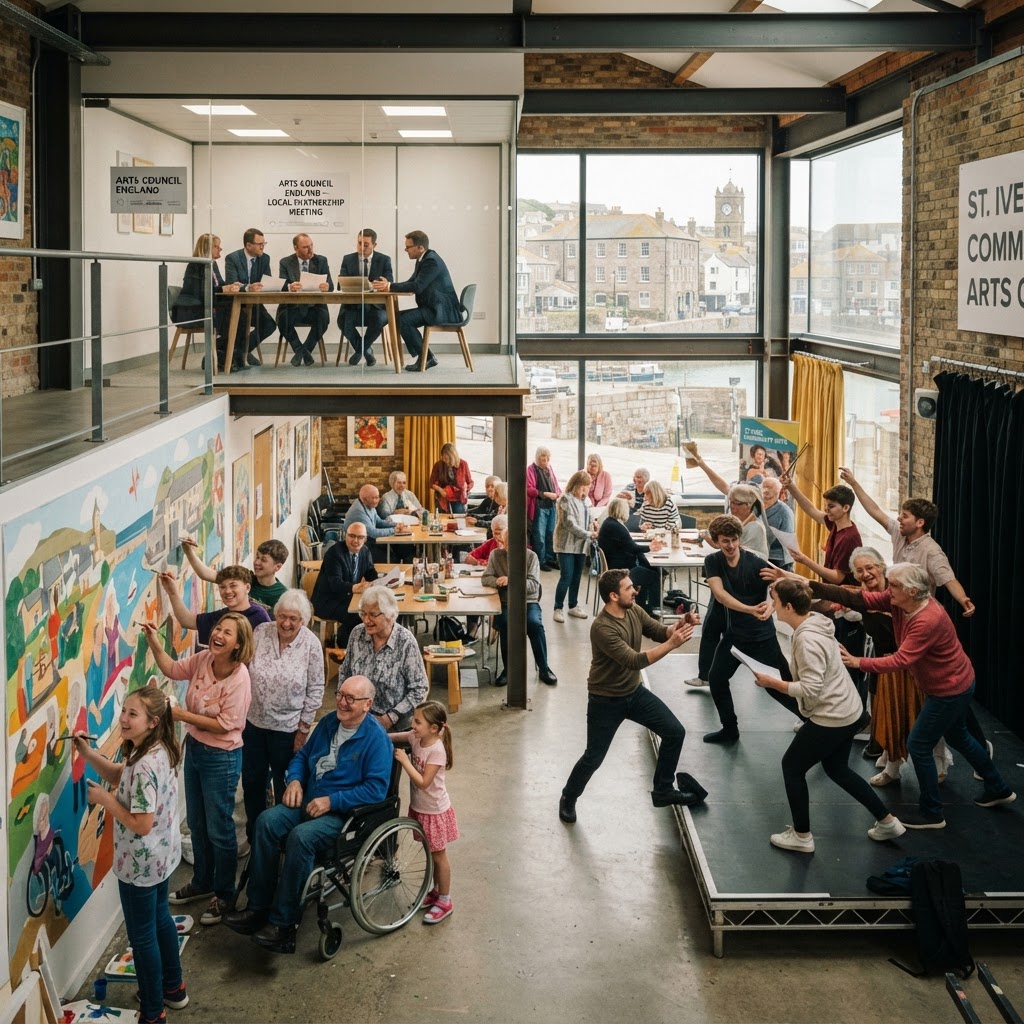
A New Mandate for Cultural Stewardship In a long-awaited development for the UK’s cultural landscape, the government has published its official response to the Hodge Review of Arts Council England. The document marks a significant shift in how taxpayer-funded arts are managed, administered, and delivered across the country. At its heart, the policy move aims to restore public confidence in the independence of the Arts Council, a body that has faced persistent criticism in recent years regarding its perceived disconnect from regional hubs.

The Local Government Perspective The Local Government Association (LGA) has emerged as a key proponent of the government’s proposed reforms. Cllr Julie Jones-Evans, Chair of the LGA’s Culture, Tourism and Sport Committee, has been vocal about the necessity of this shift. For many local authorities, the relationship with national arts funding has historically been fraught with bureaucratic hurdles and a 'London-centric' bias. The LGA believes that by widening access to 'excellent culture,' the government is finally acknowledging that the true value of the arts lies in their ability to engage communities far beyond the capital.

Bridging the Regional Divide The Hodge Review, which serves as the blueprint for these changes, identifies a critical need for structural reform. Historically, arts funding has been criticized for concentrating resources in metropolitan centres, leaving towns and rural areas with dwindling provisions. By focusing on local delivery, the government intends to empower individual councils to play a more active role in commissioning cultural projects that resonate with their specific demographics. This, proponents argue, is essential for sustaining the long-term viability of the arts in a post-subsidy economy.

Navigating Independence and Accountability The challenge of balancing the Arts Council's independence with public accountability remains a delicate tightrope. The government’s response suggests a framework that provides oversight without encroaching on the artistic autonomy that defines Britain’s creative sector. Critics, however, remain wary. There is a palpable concern within certain artistic circles that increased government scrutiny could lead to an implicit shift in programming priorities, potentially prioritising 'populist' metrics over more challenging or avant-garde works.

The Path Forward As the cultural sector digests these reforms, the focus now turns to implementation. The success of this policy will likely depend on the transparency of the new funding models and whether they can effectively redistribute resources to the communities that have been historically overlooked. For now, the consensus among policymakers is that the cultural status quo was no longer sustainable. Whether this new era of governance leads to a genuine renaissance in local arts or simply replaces one set of bureaucratic challenges with another remains to be seen.

TopicsArts Council EnglandUK GovernmentCultureLGAHodge ReviewPublic PolicyArts Funding
Share

About the Author

VC

Victoria Cross

Culture Editor

Victoria Cross reports for National Post UK with a focus on rigorous analysis and authoritative journalism — a trusted voice across British public life.

Reader Discussion · 5

Subscribers can join the conversation.

SUBSCRIBE TO COMMENT →
J
Julian Foster21 Sept

This seems like another layer of Whitehall red tape designed to fix a problem that does not exist. We need to be careful not to stifle artistic innovation in the pursuit of rigid governance structures.

S
Sarah Bennett21 Sept

The Hodge Review has been long overdue, but the real test will be whether these reforms actually reach the smaller local museums. I remain cautiously optimistic that this might finally broaden the scope of who gets to enjoy the arts.

D
David O'Leary21 Sept

Having worked in community theatre for twenty years, I welcome any change that prioritises actual access over bureaucratic box-ticking. Let us hope this new mandate brings tangible support to the grass-roots level.

S
Simon Jenkins21 Sept

I worry that this is just a veiled attempt to turn the Arts Council into a political mouthpiece. Cultural institutions should remain at arm's length from government, or we risk losing the freedom of creative expression.

M
Margaret Thorne21 Sept

It is about time there was more oversight regarding how our taxes are spent on the arts. Too much money has been funnelled into London-centric projects while regional venues have been left to wither.
More from Culture

Most Read in Culture

Morning Briefing

The day's top stories, before 7am

Join 40,000 readers who start their morning with National Post UK.