National Post UK
A Cultural Mandate: Downing Street Urged to Embed Arts in Decade-Long National Strategy

A coalition of over 61,000 citizens has petitioned the Prime Minister to formalise support for the creative industries.

The National Post

HomeCulture
Culture

A Cultural Mandate: Downing Street Urged to Embed Arts in Decade-Long National Strategy

A coalition of over 61,000 citizens has petitioned the Prime Minister to formalise support for the creative industries. With the government drafting its ten-year roadmap for Britain, cultural leaders are demanding that artistic provision is treated as a vital national utility rather than a discretionary luxury.

VC

Victoria Cross

Culture Editor

Published 24 November 2026·1 day ago 2 min read
Text
Share

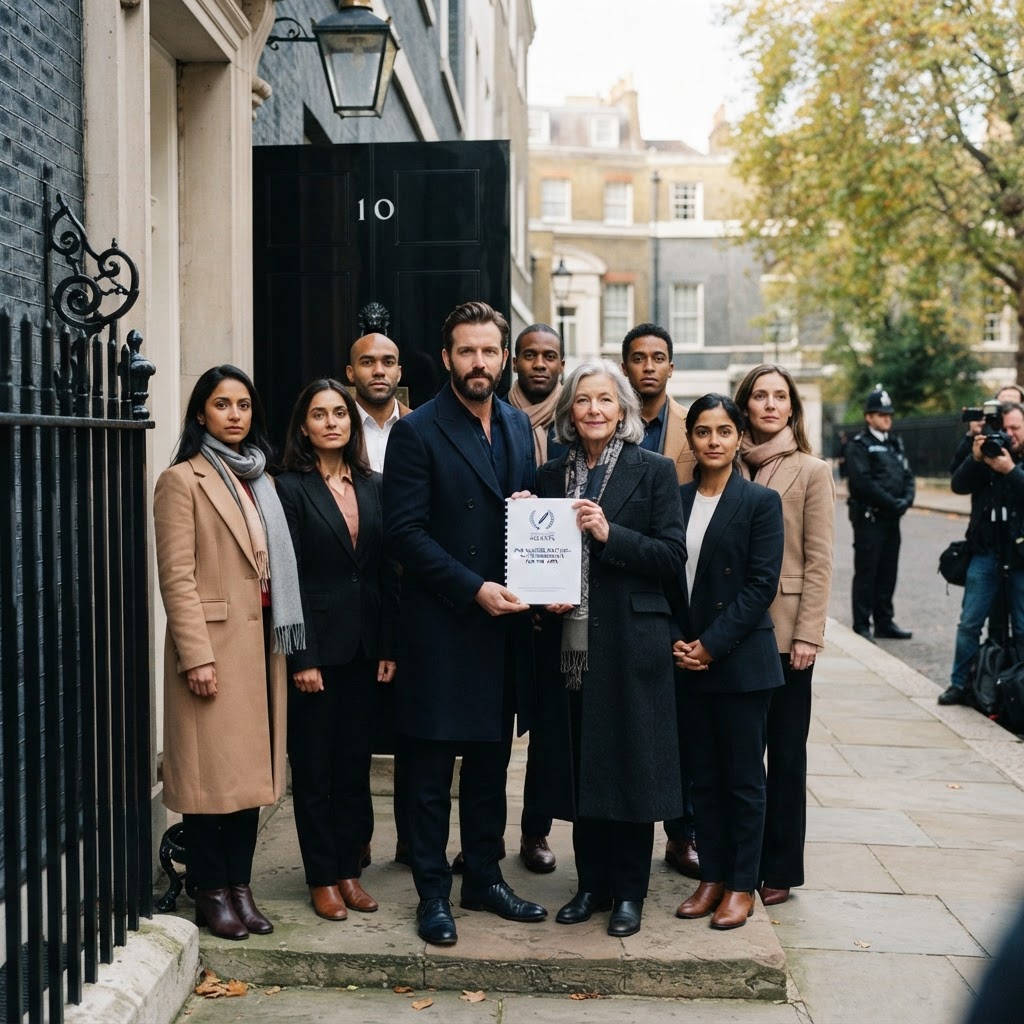
The Weight of Public Opinion The rhythmic tread of a delegation marching toward 10 Downing Street yesterday carried the expectations of thousands. Led by the Campaign for the Arts, the group delivered a petition bearing 61,215 signatures, a figure that carries political resonance by representing every single parliamentary constituency in the United Kingdom. This unified chorus of voices is demanding that the Prime Minister, Andy Burnham, integrate arts and culture as a structural pillar of his government’s forthcoming 10-year national plan.

A Historical Precedent The pressure is compounded by the unique professional background of the Prime Minister. Having served as Secretary of State for Culture, Media and Sport between 2008 and 2009, Mr Burnham possesses a granular understanding of the sector’s internal mechanics—and its perennial fragility. Proponents of the campaign argue that this historical experience should translate into a more nuanced appreciation of how cultural investment serves as an engine for regional economic growth, mental wellbeing, and social cohesion.

Voices from the Frontline Among those delivering the petition were noted actor and activist Samuel West and author Kadiatu Kanneh-Mason. Their presence underscored the campaign’s breadth, which spans from high-profile cultural institutions to the grassroots educational initiatives that nourish future talent. The primary objective is to move beyond the cycle of short-term, competitive grant funding that has characterised cultural policy for the last decade, and instead secure a long-term commitment to arts education and venue accessibility.

The Economic and Social Imperative Critics of arts spending have historically labelled the sector a luxury. However, modern economic data suggests that the creative industries represent a vital component of the British economy, punching well above their weight in global exports and domestic employment. By embedding the arts within a ten-year framework, the campaign seeks to provide the security that local councils and independent venues require to plan for the future. Without such guarantees, the cultural landscape remains at the mercy of year-on-year budgetary volatility.

Towards a Decade of Development As the government navigates the complexities of the current economic climate, the call to prioritise culture is not merely about preserving the past; it is about securing the nation’s soft power and civic vitality for the next generation. The inclusion of the arts in a 10-year plan would signal a departure from the reactive policies of the past, offering instead a proactive strategy for nurturing a more innovative and connected Britain.

TopicsCulturePoliticsUK GovernmentAndy BurnhamArts PolicyCreative Industries
Share

About the Author

VC

Victoria Cross

Culture Editor

Victoria Cross reports for National Post UK with a focus on rigorous analysis and authoritative journalism — a trusted voice across British public life.

Reader Discussion · 5

Subscribers can join the conversation.

SUBSCRIBE TO COMMENT →
R
Robert Sterling24 Nov

I am generally skeptical of 'national strategies' that tend to become bloated bureaucratic exercises. The money would be better spent directly on small grants for local grassroots projects rather than top-down initiatives.

F
Fiona Mackenzie24 Nov

Culture should be integrated into our schools as a core subject, not just an afterthought. If we want to remain a global leader in the creative industries, we must invest in the talent pipeline now.

D
David Thorne24 Nov

Having spent thirty years working in regional theatre, I have seen firsthand how funding cuts have decimated local outreach. A long-term strategy is the only way to ensure the next generation has access to the same opportunities I had.

A
Arthur Pringle24 Nov

While I appreciate the sentiment, I do wonder how the government intends to fund this during such an intense cost-of-living crisis. We have crumbling infrastructure and waiting lists to deal with first.

S
Sarah Jenkins24 Nov

It is about time. The arts are not just a luxury for the wealthy; they are the lifeblood of our communities and essential for the mental well-being of the nation.
More from Culture

Most Read in Culture

Morning Briefing

The day's top stories, before 7am

Join 40,000 readers who start their morning with National Post UK.