A Watershed Moment for the City The Bank of England has ended a period of prolonged monetary inertia, increasing the base interest rate to 4 per cent from 3.75 per cent. This shift marks the first such elevation in over three years, representing a significant recalibration of the central bank's strategy in the face of cooling economic growth and stubborn price indices. The decision, carried by a robust 8-1 majority among members of the Monetary Policy Committee (MPC), sends a clear signal that Threadneedle Street is prioritising the mitigation of inflation over the immediate stimulation of the broader economy.
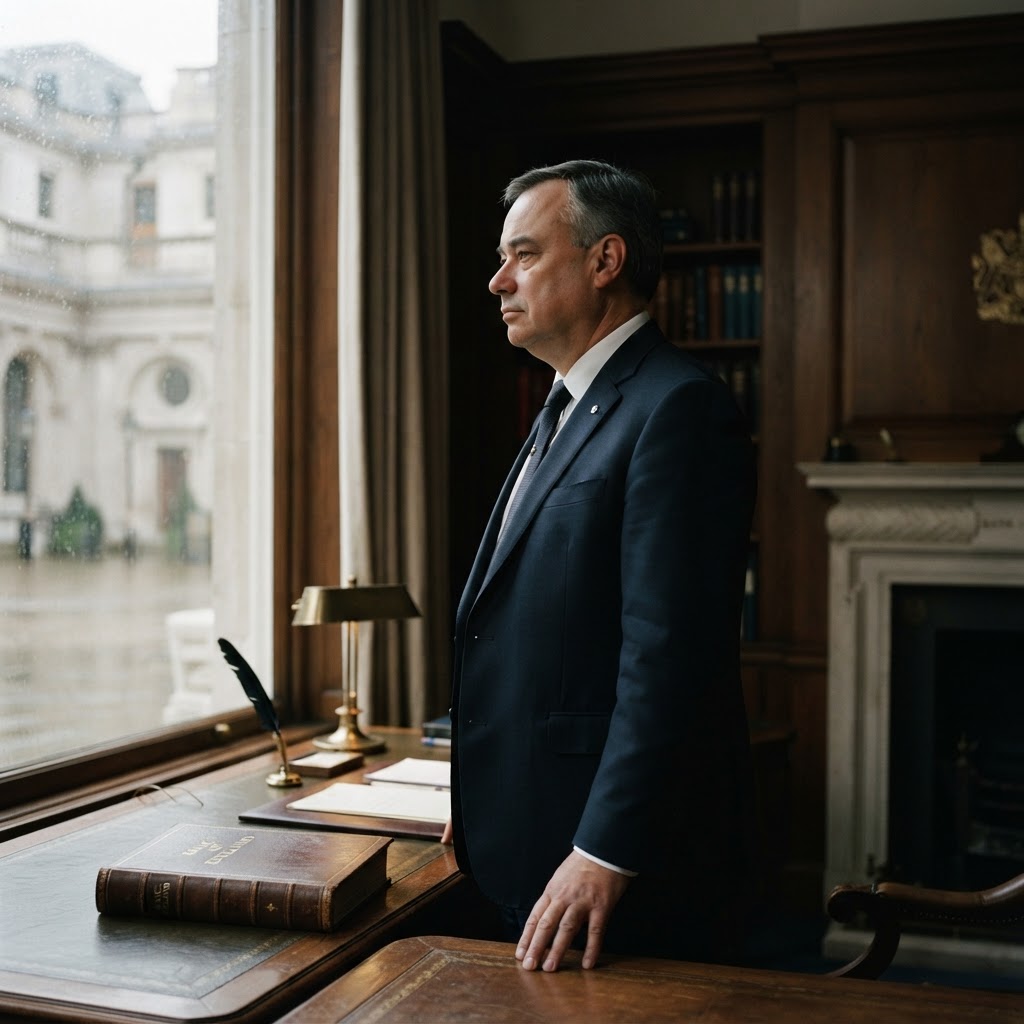
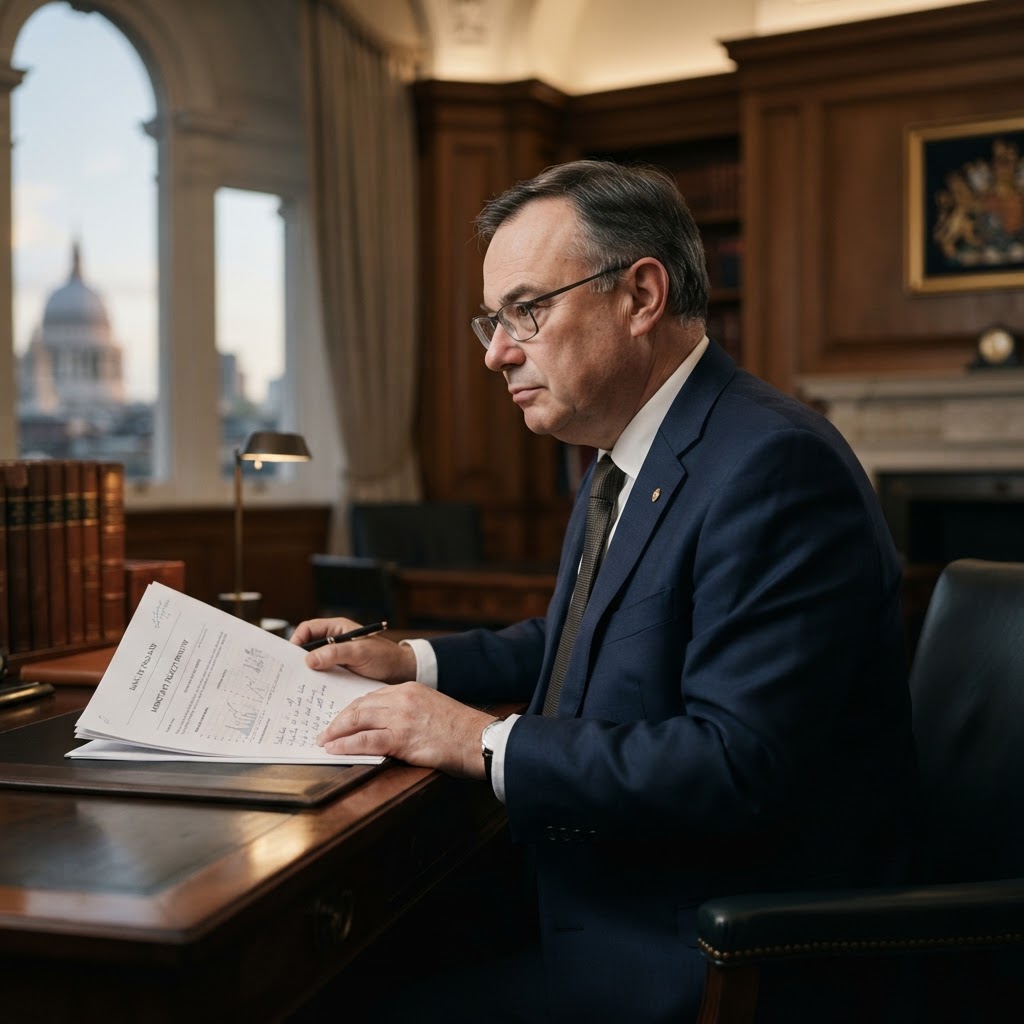
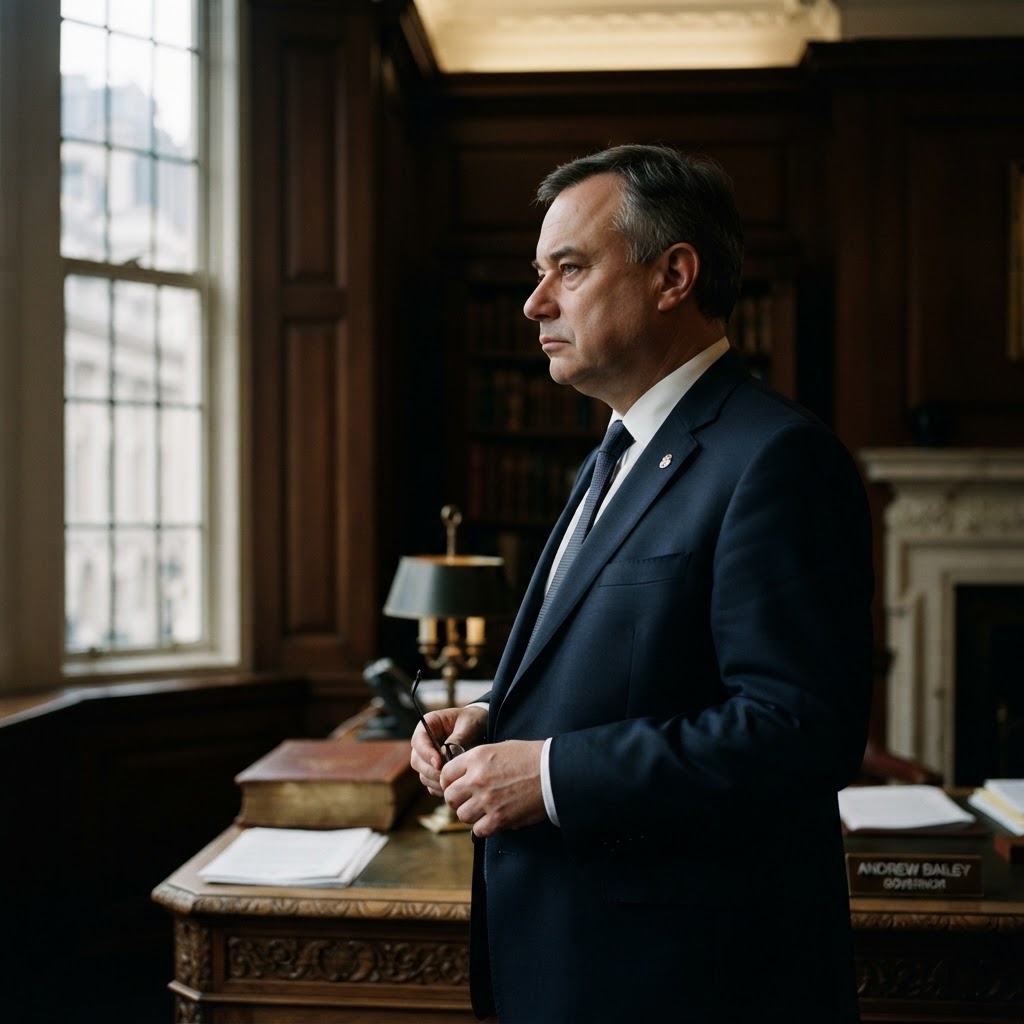
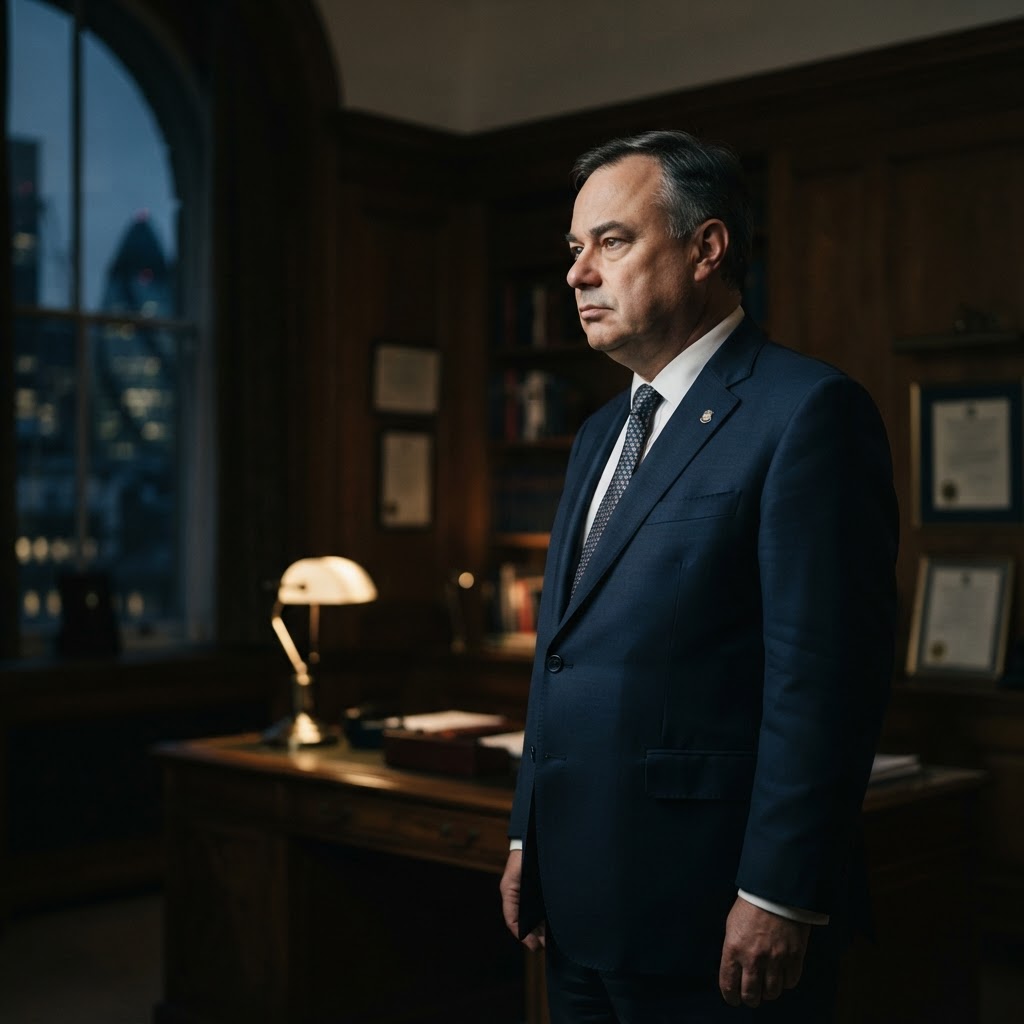
The Shadow of Geopolitics The primary catalyst for this adjustment lies in the volatile landscape of the global energy market. Ongoing conflict in the Middle East has disrupted supply chains and introduced a significant premium to global oil prices, which has, in turn, permeated the domestic UK economy. Governor Andrew Bailey, speaking from his office this morning, underscored the difficulty of navigating a landscape where factors outside of the Bank's direct remit dictate the trajectory of the consumer price index.
"We are operating in an environment where the traditional levers of monetary policy are increasingly complicated by exogenous shocks," Mr Bailey remarked during his press conference. The Bank’s latest forecasting models suggest that inflation will not reach its natural equilibrium of 2 per cent until 2028, with a peak of 4.9 per cent anticipated by the middle of 2027. This long-horizon forecast serves as a warning that the era of 'cheap money' is firmly behind us.
The Burden on the Household For the average British homeowner, the immediate impact of the increase is tangible. Market analysts estimate that this 0.25 percentage point rise will translate to an additional £14 in monthly repayments for the standard variable rate mortgage holder. While this figure may appear modest in isolation, it arrives at a time when household budgets are already stretched by the cumulative effects of energy bill volatility and elevated food costs.
Economists at leading City institutions have been quick to point out that this is likely a precursor to a more sustained period of rate normalisation. The solitary vote against the hike, cast by an MPC member favouring a status quo approach, reflects a burgeoning debate over whether the current inflationary pressure is a structural malaise or a transitory symptom of global instability. However, the majority view remains that allowing expectations to become entrenched would carry a far greater cost in the long term.