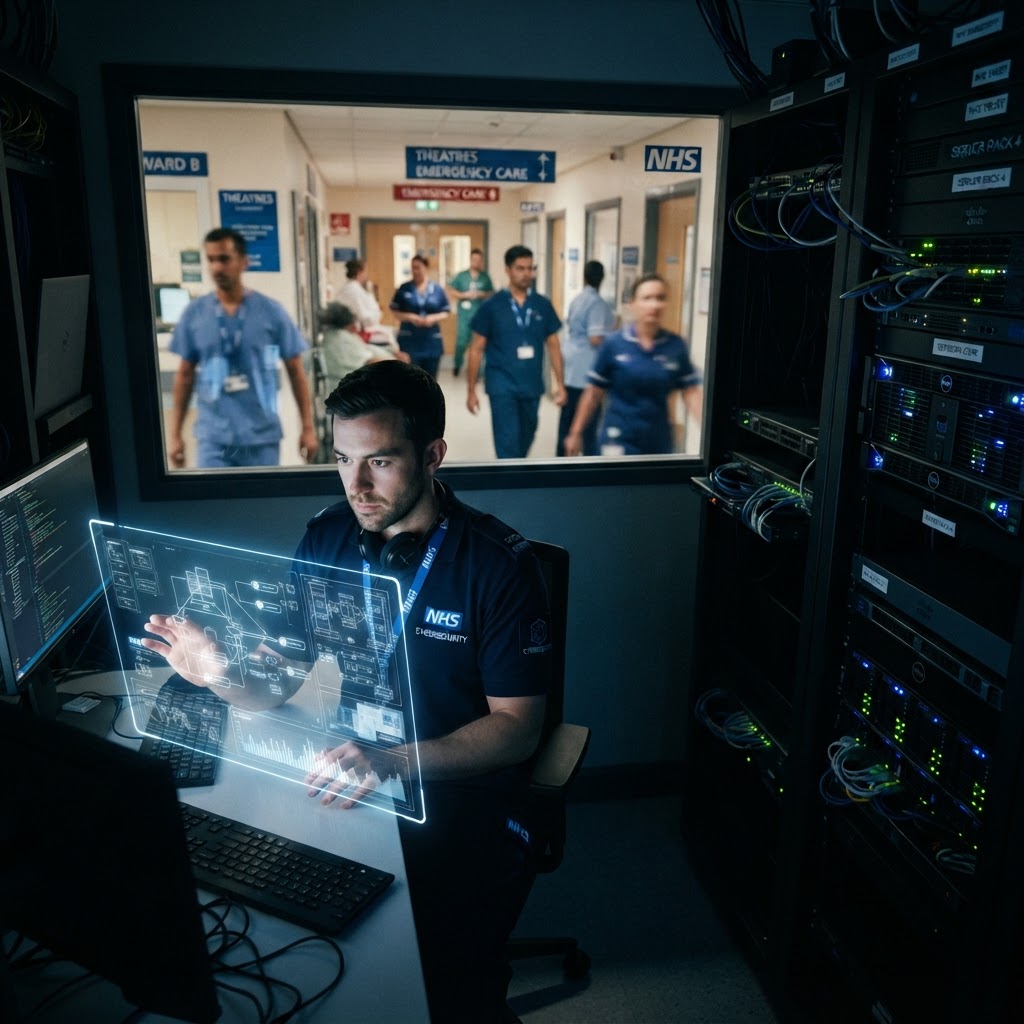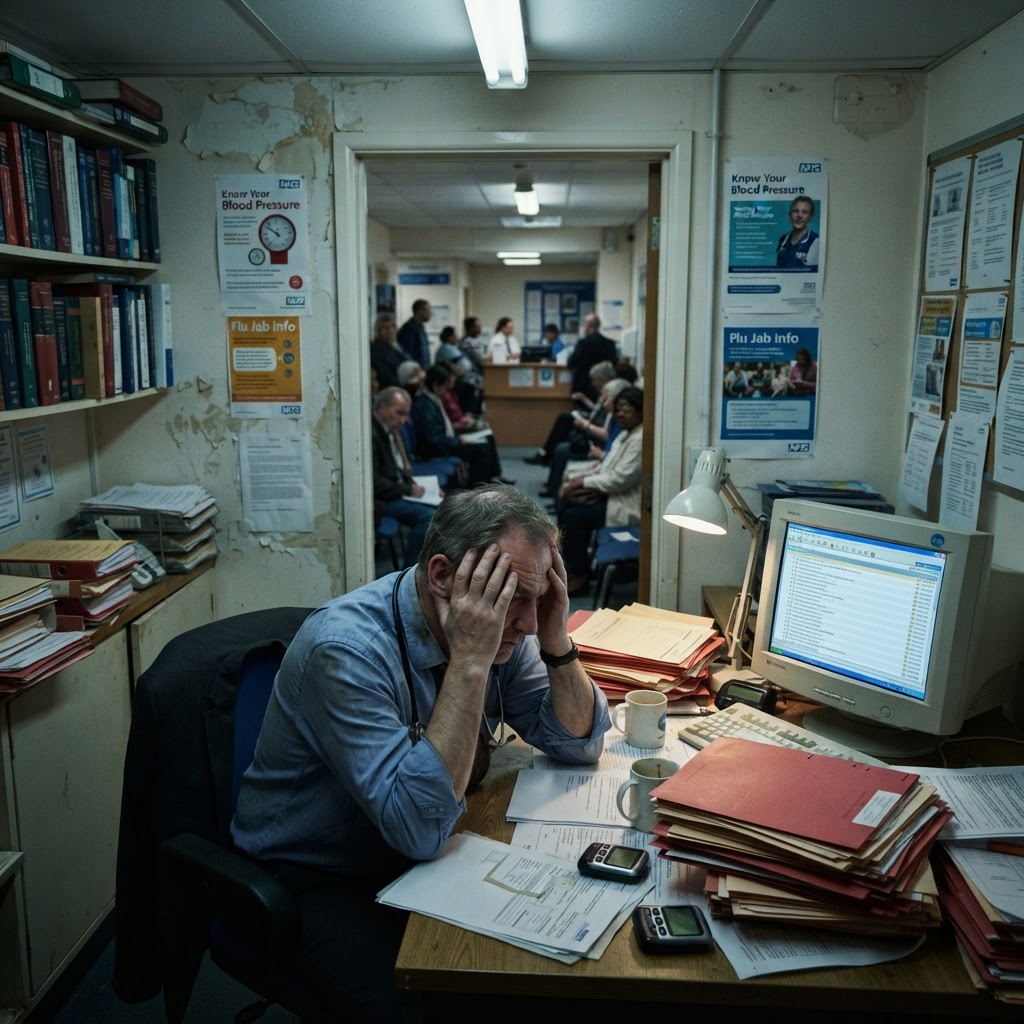
The Crisis of Capacity: Why the Government’s Community-Led NHS Vision Hinges on a Broken Foundation
Ministers are pinning their hopes on a pivot toward local care, but new data suggests GPs are already operating at a breaking point. Without a radical injection of resources, the blueprint for a modernised health service may remain a political aspiration rather than a clinical reality.
SC
Samantha Cole
Health Correspondent
Published 28 October 2026·about 3 hours ago 3 min read
Text
TopicsNHSGeneral PracticeHealthcare ReformRCGPPreventive MedicineUK Health PolicyPrimary Care
About the Author
SC
Samantha Cole
Health Correspondent
Samantha Cole reports for National Post UK with a focus on rigorous analysis and authoritative journalism — a trusted voice across British public life.
Reader Discussion · 6
Subscribers can join the conversation.
SUBSCRIBE TO COMMENT →F
Fiona Bennett28 Oct
We should be focusing on prevention and integrated care, but these transitions are notoriously difficult to fund correctly. It requires a decade of sustained investment, not just a one-off policy announcement.
J
James O'Connell28 Oct
There is a logic to keeping people out of hospitals, but only if the social care infrastructure exists to support them at home. Right now, that safety net simply does not exist in our area.
E
Eleanor Vance28 Oct
I spent three hours waiting for a referral last week, so I struggle to see how decentralising services will make things faster for the average patient. It feels like they are just shifting the pressure onto smaller practices that are already failing.
M
Michael Roberts28 Oct
The report highlights exactly what those of us working in primary care have been saying for years. Without addressing the massive administrative overhead and the shortage of GPs, this vision is just another political pipe dream.
S
Sarah Jenkins28 Oct
I actually think this move towards community care is long overdue if we ever want to move away from the hospital-centric model. However, the government needs to put their money where their mouth is regarding staffing numbers.
D
David Thorne28 Oct
It is all well and good to talk about community-led care, but my local surgery is already at a complete breaking point. They cannot even handle the current appointments, let alone take on the extra burden this strategy assumes.