UK Biobank Readies Platform Return After Major Data Security Breach
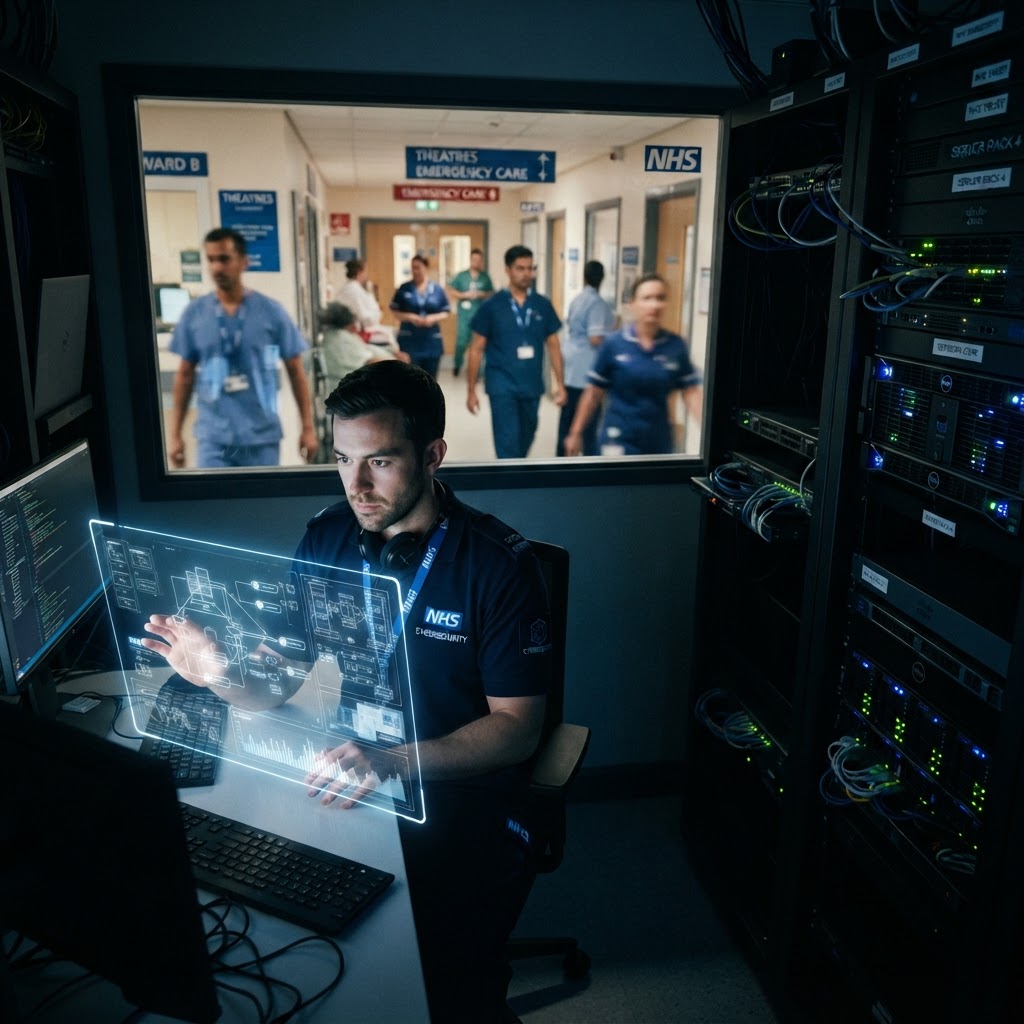
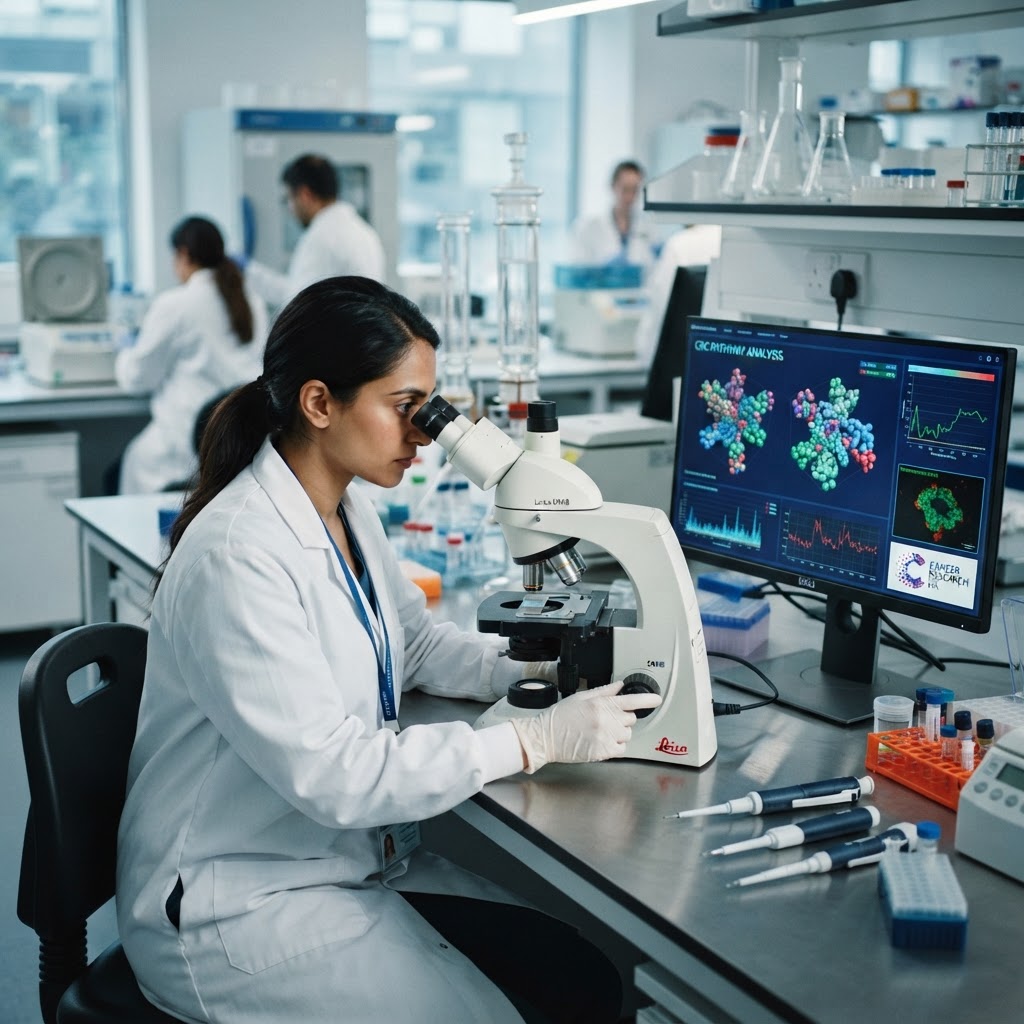
Following a cyberattack that compromised the sensitive health records of half a million volunteers, the nation’s premier genomic database is set to resume operations. The phased restoration marks a pivotal moment for medical research as the institution implements stringent new oversight protocols.
SC
Samantha Cole
Health Correspondent
Published 27 October 2026·about 3 hours ago 3 min read
Text
TopicsUK BiobankCybersecurityGenomic ResearchHealth DataData BreachMedical ScienceNHS
About the Author
SC
Samantha Cole
Health Correspondent
Samantha Cole reports for National Post UK with a focus on rigorous analysis and authoritative journalism — a trusted voice across British public life.
Reader Discussion · 6
Subscribers can join the conversation.
SUBSCRIBE TO COMMENT →F
Fiona Campbell27 Oct
Good to hear the platform is returning. Science needs to move forward, and the UK Biobank is a unique asset that we cannot afford to lose just because of one technical failure.
D
David Collins27 Oct
Cybersecurity in the NHS and associated research bodies is clearly not up to scratch. We are trusting them with our most sensitive genomic data, and they need to treat it with the seriousness it deserves.
E
Eleanor Rigby27 Oct
I wonder what actual compensation or changes in protocol have been offered to those of us whose personal medical records were exposed. Simply bringing the platform back online does not fix the breach of trust.
M
Marcus Thorne27 Oct
Data governance is a massive challenge in modern science. While this breach is embarrassing, the potential benefits of the Biobank still far outweigh the risks if managed correctly.
S
Sarah Jenkins27 Oct
I am a participant in the study and frankly, I am not convinced their security measures are robust enough yet. The silence during the outage was concerning and transparency has been quite lacking.
J
James Henderson27 Oct
It is about time they got this back up and running. Thousands of researchers are waiting on this data to make progress on treatments that could save lives.