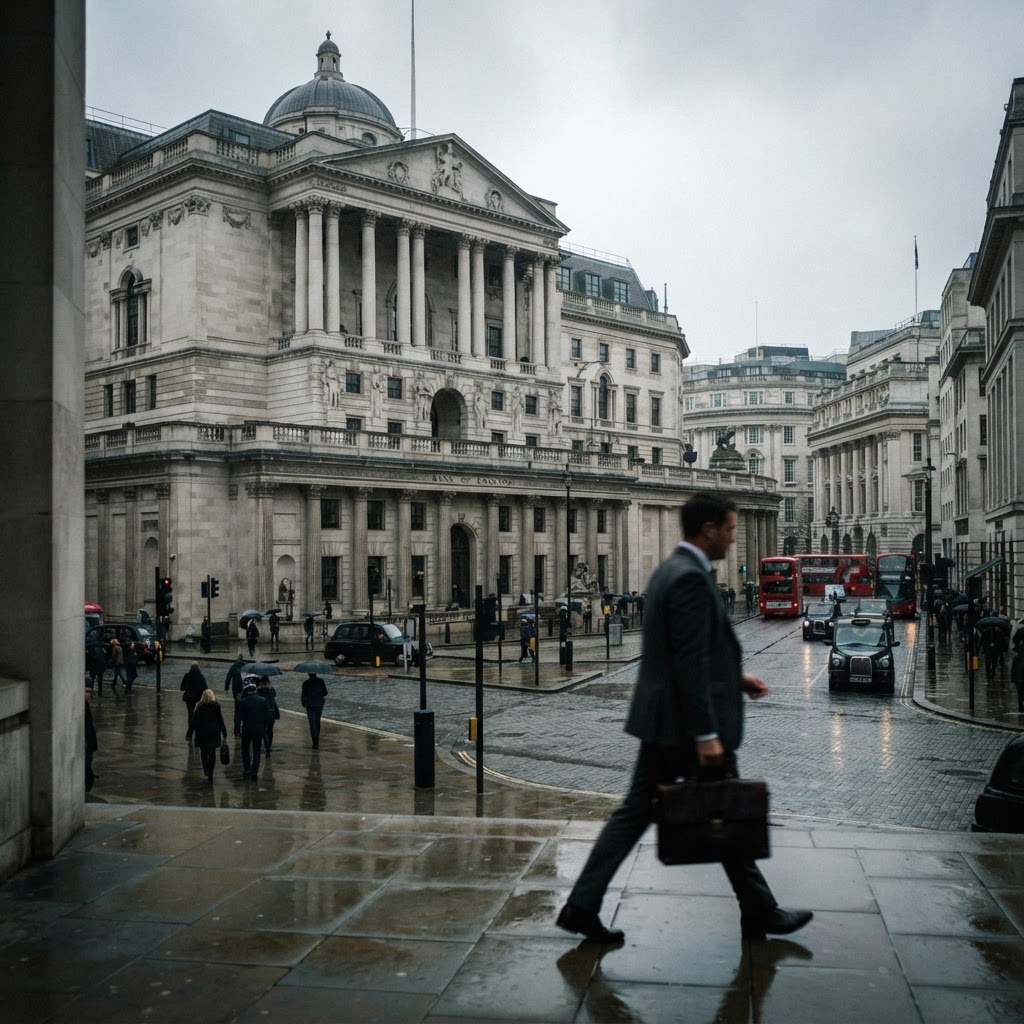
The Monetary Policy Committee has opted to maintain interest rates at 3.75 percent despite a resurgence in inflation. With global energy markets destabilised by Middle Eastern instability, the central bank faces a narrowing window for policy intervention.
A Fragile Equilibrium
The Monetary Policy Committee (MPC) of the Bank of England delivered a verdict of caution this morning, voting to maintain the base interest rate at 3.75 per cent. In a decision that highlights the deepening divide within the central bank, six members opted for stability, while three dissenters pushed for a quarter-point hike to 4 per cent. The split reveals the growing anxiety inside Threadneedle Street as policymakers struggle to balance the cooling effects of previous rate rises against the stubborn reality of rising prices.
The Shadow of Global Conflict
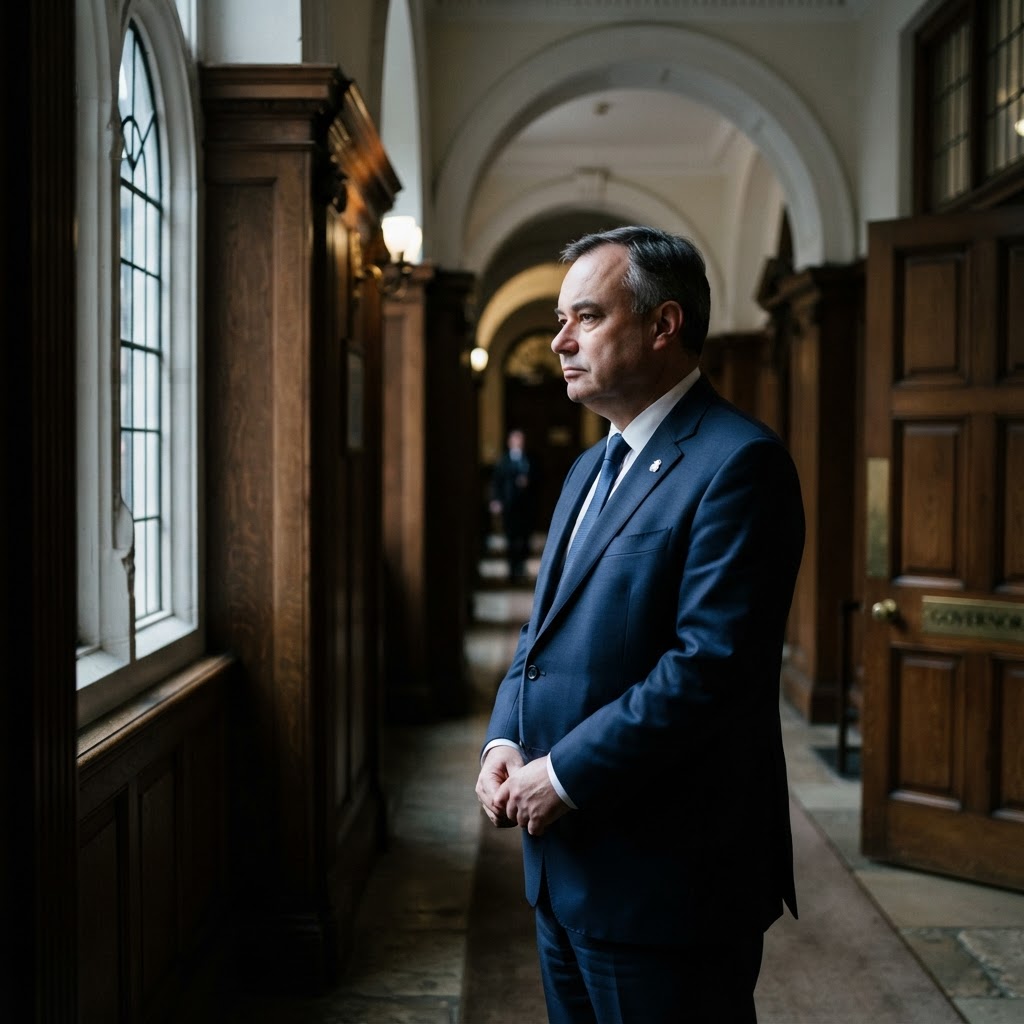
The primary driver of the latest inflationary spike is the ongoing volatility in global energy markets, exacerbated by the fallout from the Iran war. As supply chains remain snarled and transport costs rise, the UK is experiencing a five-month high in headline inflation. Economic forecasts now suggest that the Consumer Prices Index (CPI) could hit 4 per cent by the first quarter of 2027, comfortably doubling the Bank’s formal 2 per cent mandate. Governor Andrew Bailey, speaking at a press conference following the announcement, was uncharacteristically candid about the risks of inaction. He noted that while holding rates allows for continued observation of the cooling labour market, the duration and intensity of the energy shock may necessitate more aggressive tightening before the end of the year.
Market Expectations and Future Volatility
Financial markets have reacted with little surprise to the hold, yet the yield on two-year gilts suggests that investors have already priced in a significant chance of a rate rise as early as the November meeting. Analysts warn that the Bank is in a race against time. The structural shift in energy pricing, driven by the geopolitical quagmire in the Middle East, is no longer a transitory phenomenon. If the current trajectory of fuel prices persists, the MPC will find its room for manoeuvre severely limited. The dissenters, led by external hawks, argued that waiting for definitive data may allow inflation expectations to become embedded, requiring a far more painful correction in the future.
The Household Struggle
Beyond the sterile environment of the MPC chamber, the decision brings limited relief to households already reeling from the cost-of-living crisis. Mortgage holders who were hoping for a signal of impending rate cuts have instead been presented with the prospect of 'higher for longer'. With winter approaching, the dual burden of elevated energy bills and maintained borrowing costs will inevitably weigh on consumer spending. Retail data already indicates a softening in discretionary expenditure, as families reallocate funds to cover essential heat and power. The Treasury remains under pressure to provide further fiscal support, yet the Chancellor has signalled a desire for spending restraint, pinning the responsibility for inflation control firmly on the Bank of England.
Looking Ahead
As the winter months approach, the Bank’s primary objective remains clear: to prevent the 4 per cent inflation projection from becoming the new baseline. Should the geopolitical situation in the Persian Gulf deteriorate further, the Bank may be forced to act unilaterally, regardless of the potential dampening effect on economic growth. The task for Governor Bailey is to maintain the credibility of the inflation target without triggering a hard landing. As the economy pivots toward an uncertain fiscal year-end, the debate between those favouring immediate action and those prioritising domestic stability will likely define the final quarter of 2026.