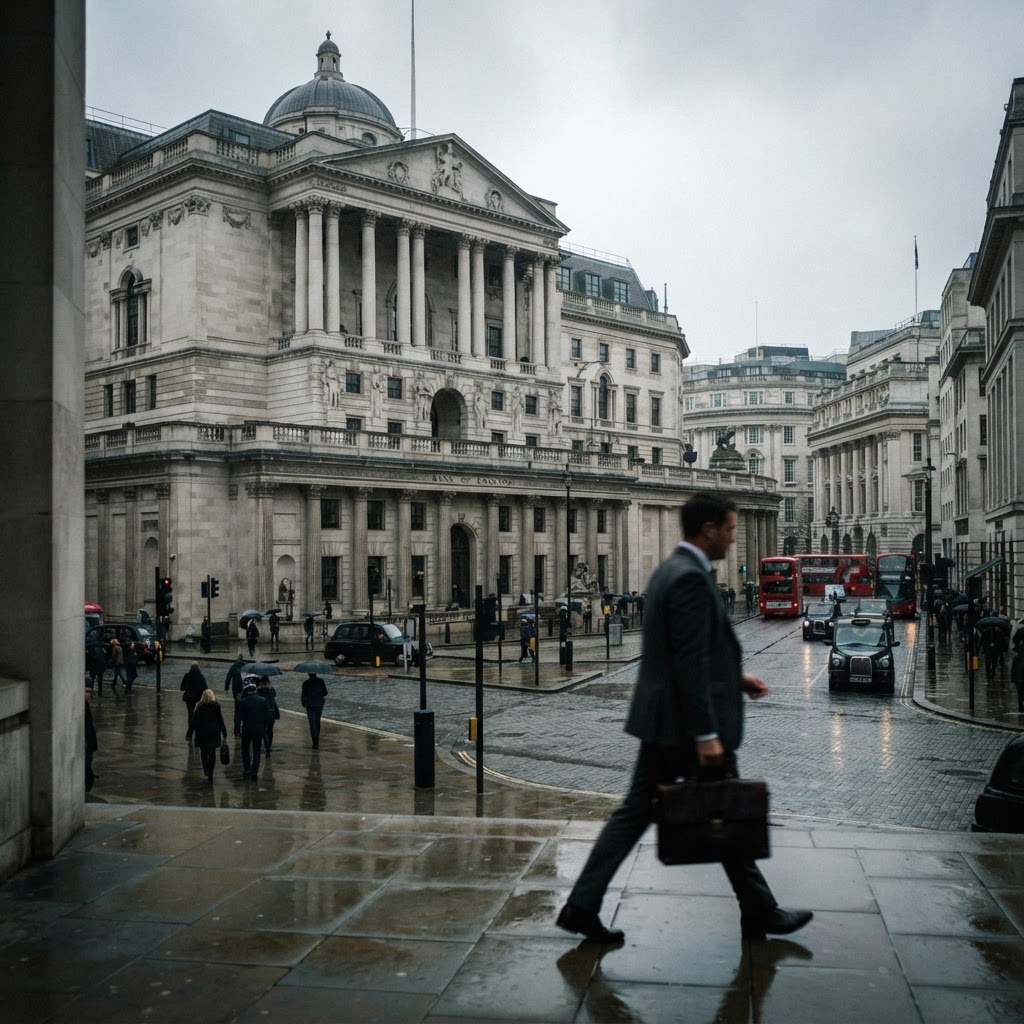
London Markets Stumble as Global Bond Sell-off Rattles Equities
The FTSE 100 has touched its lowest point in three months as soaring bond yields force a re-evaluation of risk. Analysts warn that the tightening of financial conditions may signal a more volatile period for the UK's benchmark index.
MS
Marcus Stone
Finance Correspondent
Published 18 October 2026·3 days ago 2 min read
Text
TopicsFTSE 100FinanceMarketsUK EconomyBondsBankingInflation
About the Author
MS
Marcus Stone
Finance Correspondent
Marcus Stone reports for National Post UK with a focus on rigorous analysis and authoritative journalism — a trusted voice across British public life.
Reader Discussion · 4
Subscribers can join the conversation.
SUBSCRIBE TO COMMENT →E
Eleanor Rigby18 Oct
Does anyone actually believe this sell-off is solely down to bond yields? It feels like investors are looking for any excuse to take profits before the end of the quarter.
M
Marcus Thorne18 Oct
This looks like a classic knee-jerk reaction from the City. While yields are rising, the fundamentals of the underlying companies in the FTSE remain largely unchanged.
S
Sarah Jenkins18 Oct
My pension pot has taken a significant hit this week. I really wish there was more stability in these markets for those of us trying to plan for retirement.
A
Arthur Penhaligon18 Oct
It was only a matter of time before the bond market corrected itself. We have been living on borrowed time with suppressed yields for far too long.