As global oil markets react to the latest escalation in the West Asia conflict, President Trump’s assertion of sovereignty over the world’s most critical maritime choke point has drawn sharp rebukes from Tehran and left energy analysts scrambling to recalculate the risks to the global economy.
A Geopolitical Reckoning
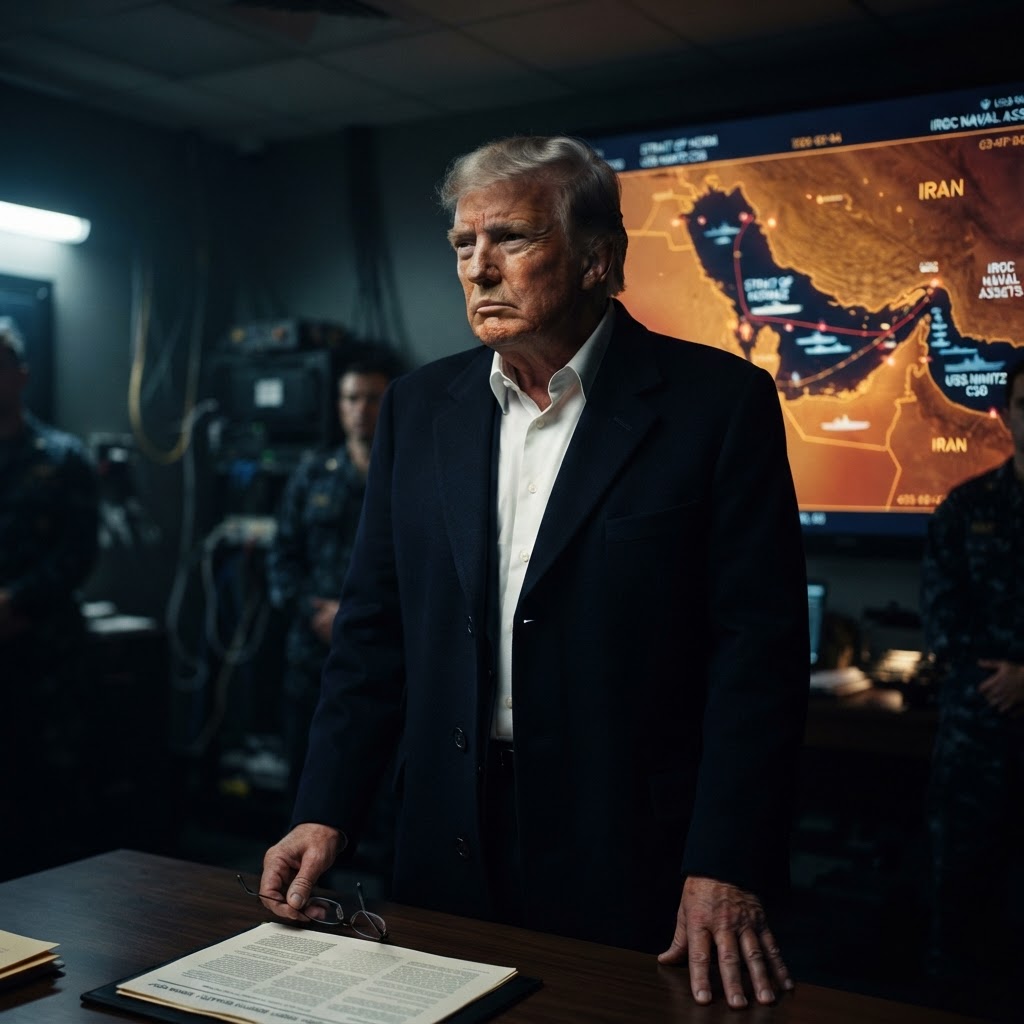
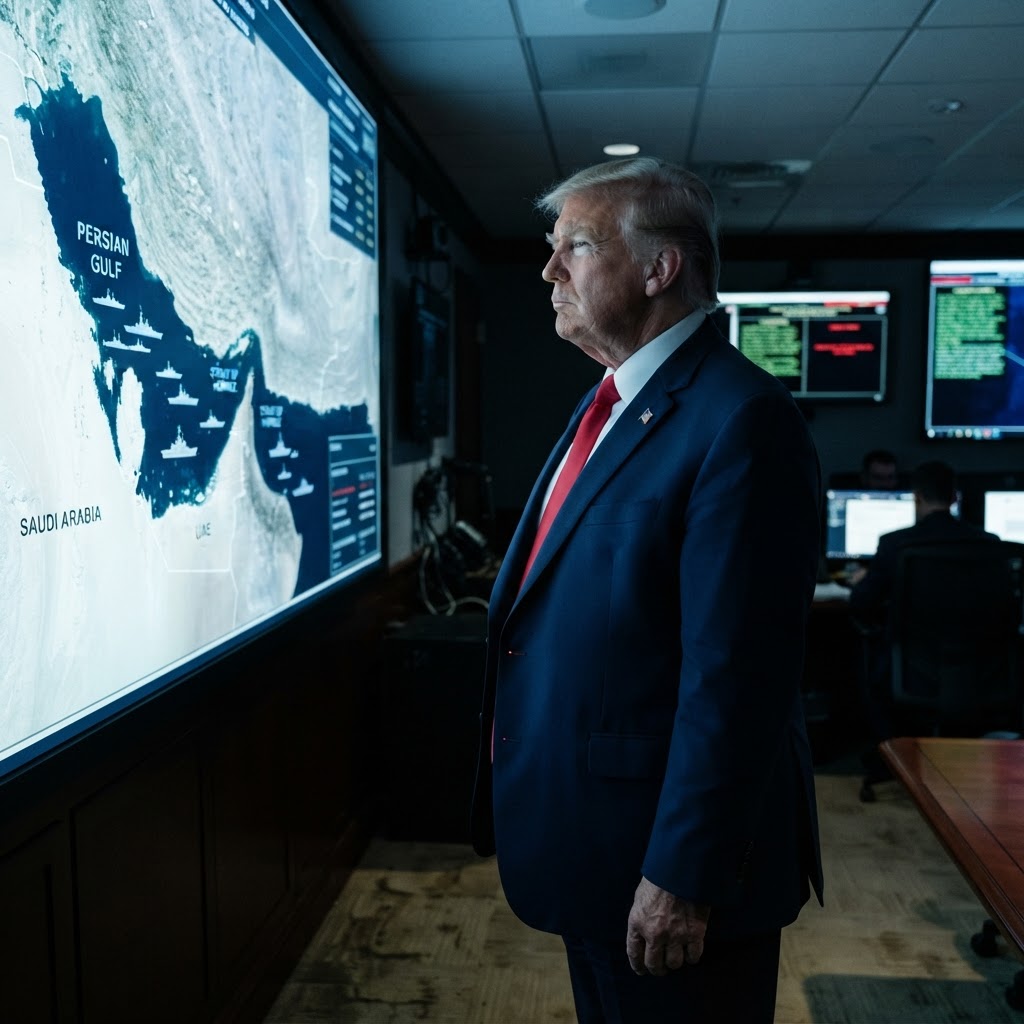
The delicate balance of power in the Persian Gulf shifted dramatically on Friday as President Donald Trump unveiled his most ambitious territorial claim to date. Speaking to an audience in Garden City, New York, the President declared that upon the cessation of hostilities with Iran, the United Kingdom’s former colonial pathways would be recast as a United States territory. This assertion follows the ongoing conflict that has engulfed the region since February 2026, marking a significant departure from established norms of international law regarding maritime sovereignty.
Energy Markets Under Pressure
The economic ramifications of such rhetoric were instantaneous. Brent crude prices surged towards $90 a barrel on Saturday morning, reflecting the acute anxiety within the global energy markets. The Strait of Hormuz serves as a vital artery for the world’s petroleum supply, handling approximately one-fifth of global consumption. For the British consumer, already grappling with persistent inflationary pressures, the prospect of prolonged instability in this region presents a sobering outlook for household energy expenditure. President Trump’s call for the electorate to absorb these costs as a necessary price for the containment of Iran’s nuclear ambitions has been met with a cool reception from Whitehall.
The Response from Tehran
Tehran was swift to reject the American pronouncement. Kazem Gharibabadi, the Iranian Deputy Foreign Minister, utilised social media to characterise the President’s remarks as a dangerous delusion. He maintained that the strait remains an integral component of Iranian territory, underscoring the impasse that has characterised the conflict since early 2026. This rhetoric mirrors the hardening of positions that has seen the waterway become the primary theatre of the current blockade, with both American and Iranian naval forces engaged in a precarious standoff.
The Security Vacuum
The situation in the Gulf was further exacerbated by a confirmed attack on a vessel belonging to the Abu Dhabi National Oil Company on Friday evening. While the precise details of the strike remain under investigation, the incident has highlighted the vulnerability of commercial shipping in the face of asymmetric warfare. Security analysts in London suggest that the transformation of this vital waterway into a disputed territorial claim threatens to derail the fragile maritime security framework that has governed the region for decades. With the US maintaining a counter-blockade, the likelihood of a miscalculation between the two forces is at an all-time high, prompting renewed calls for de-escalation from the United Nations and regional intermediaries.
The Long-term Implications
As the international community grapples with the fallout of the President's latest declaration, the diplomatic focus remains on whether this policy represents a genuine shift in US strategic doctrine or a hardening of stance ahead of complex negotiations. Experts warn that attempting to annex the Strait of Hormuz, even post-conflict, would trigger a catastrophic shift in global alliances and potentially alienate long-standing regional partners who rely on the neutrality of the waterway for their own survival. For now, the world watches as the conflict enters its most unpredictable phase yet, with the promise of stability appearing increasingly distant.