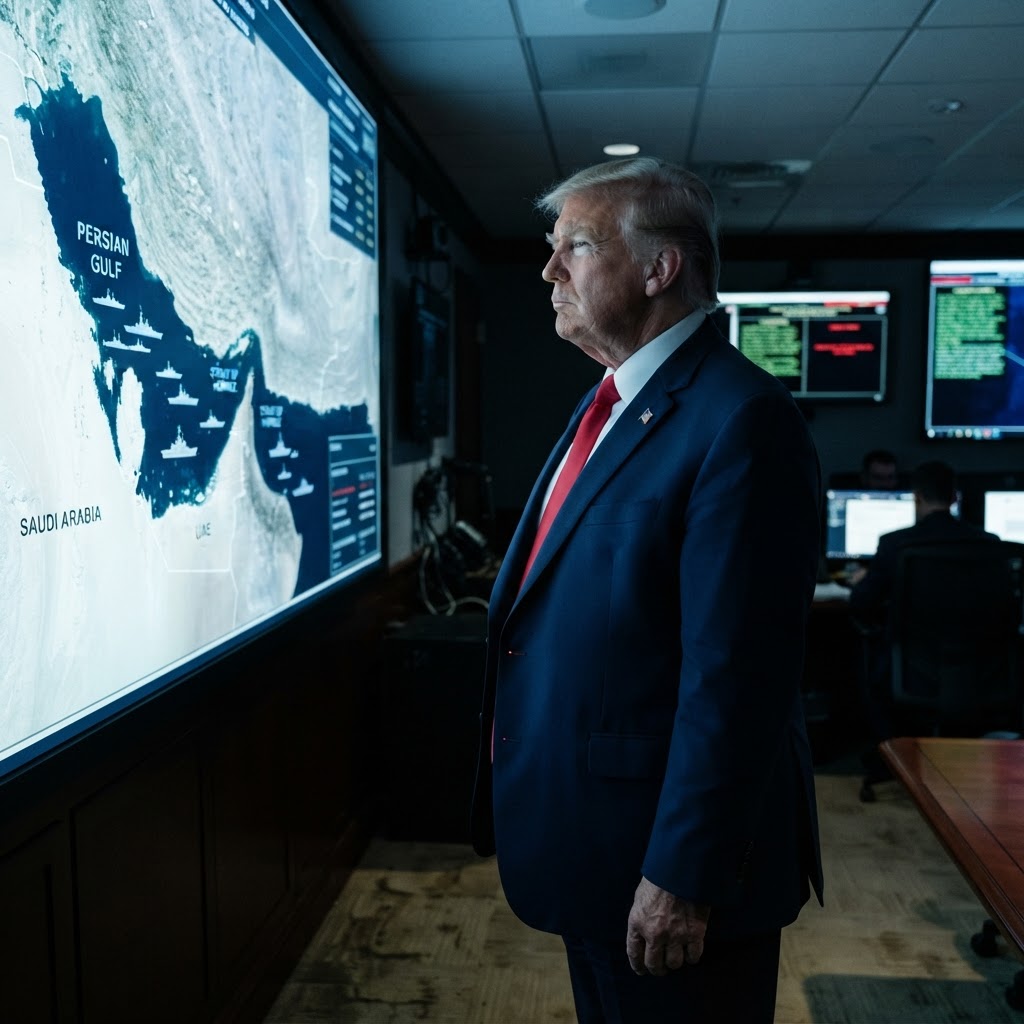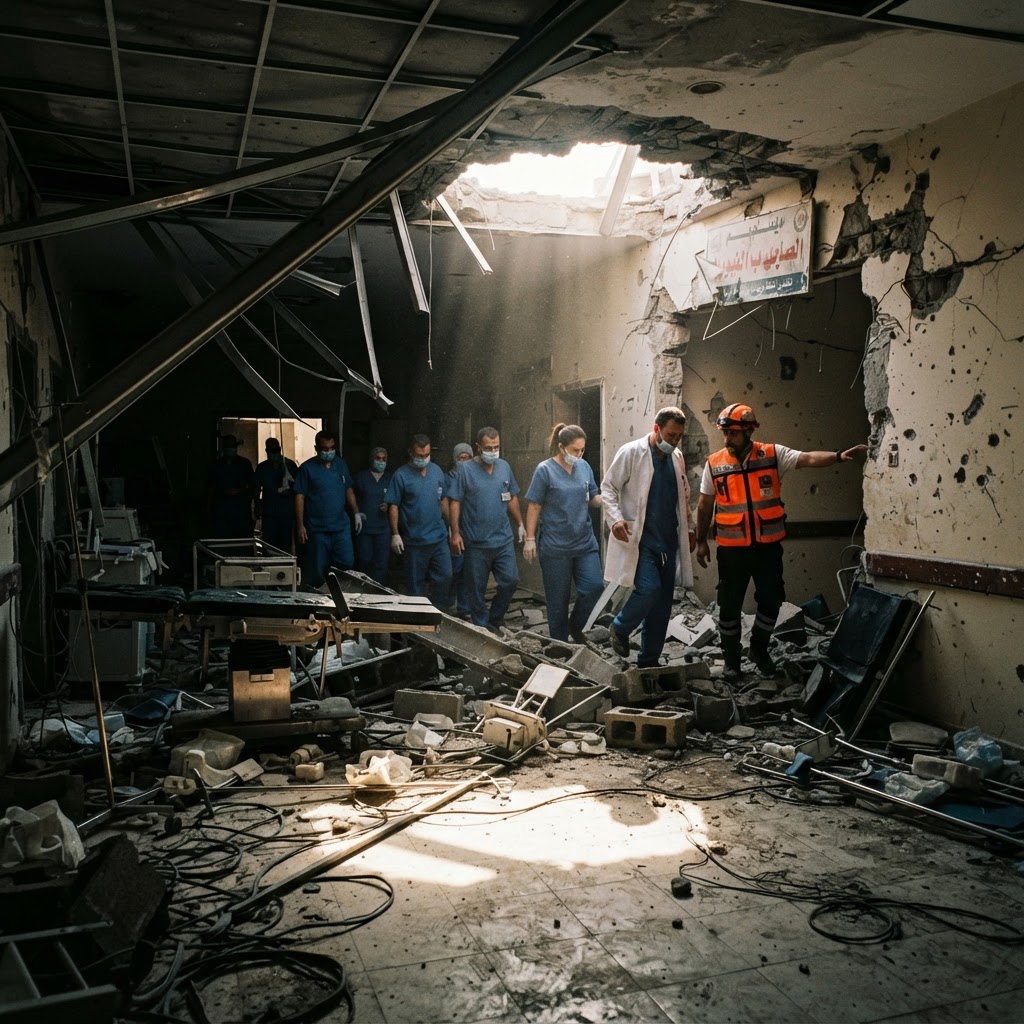
The Sudden Return of Hostilities The hope for a lasting de-escalation in the Middle East evaporated on Tuesday night as Iranian ballistic missiles lit up the skies over regional staging grounds. US air defence systems, operating on high alert, successfully intercepted the incoming munitions, preventing what could have been a catastrophic loss of life among American personnel. This direct confrontation marks the most significant military engagement in months, bringing an abrupt end to the tentative calm fostered by the Islamabad Memorandum.
For the past fortnight, diplomats in Qatar had been navigating the delicate complexities of a proposed maritime security pact concerning the Strait of Hormuz. Sources close to the negotiations suggested that a deal was within reach, promising to secure vital oil transit lanes that have been under constant threat of blockade. That progress now appears to be in ruins, as the regional security architecture faces its sternest test since the turn of the year.
Energy Markets Feel the Shockwaves The immediate consequence of the attack was felt far beyond the Levant, as global oil markets reacted with characteristic volatility. Brent crude surged by four per cent in early Wednesday trading, a sharp reversal of the downward trend observed during the recent lull in hostilities. European energy markets, already fragile due to shifting supply chains, are now bracing for the long-term implications of a sustained conflict in the Gulf.
Economic analysts in the City of London have warned that if the situation in the Strait of Hormuz is not managed with extreme caution, the inflationary pressure on UK households could be significant. The vulnerability of global energy supply lines has once again been thrust into the centre of the geopolitical conversation, reminding policymakers that economic stability is inextricably linked to regional security.
A Unified Response from London and Washington The Foreign Office in Whitehall was quick to issue a formal statement alongside the US State Department, warning of 'grave consequences' should Tehran persist in its current trajectory. The UK government, long a proponent of a diplomatic resolution, finds itself in an increasingly difficult position as the window for patient negotiation narrows.
Foreign Secretary David Lammy is expected to convene an emergency session of the National Security Council later today. Whitehall insiders suggest that Britain will likely increase its naval presence in the region to support the United States, further signalling a shift from the restraint that characterised the last few weeks. The prevailing view among defence experts is that the Iranian administration has miscalculated the West’s appetite for containment.
“The collapse of the Islamabad Memorandum represents a bitter blow for the international community, proving that fragile truces are no match for entrenched geopolitical ambitions.”
The Fragility of the Islamabad Memorandum The collapse of the Islamabad Memorandum represents a bitter blow for the international community. The framework, which had been celebrated as a blueprint for long-term regional stability, required a level of trust that has clearly been discarded. As intelligence agencies scramble to determine the catalyst for this specific strike, questions are being raised about the influence of domestic hardliners within the Iranian leadership who may have sought to derail the Doha talks entirely.
As the sun rises over the Gulf, the prospect of a wider conflict remains a distinct possibility. With backchannel communications now severed, the role of neutral intermediaries will be paramount. Whether the parties involved can return to the negotiating table before the escalation spirals into an uncontrollable regional conflagration remains to be seen.