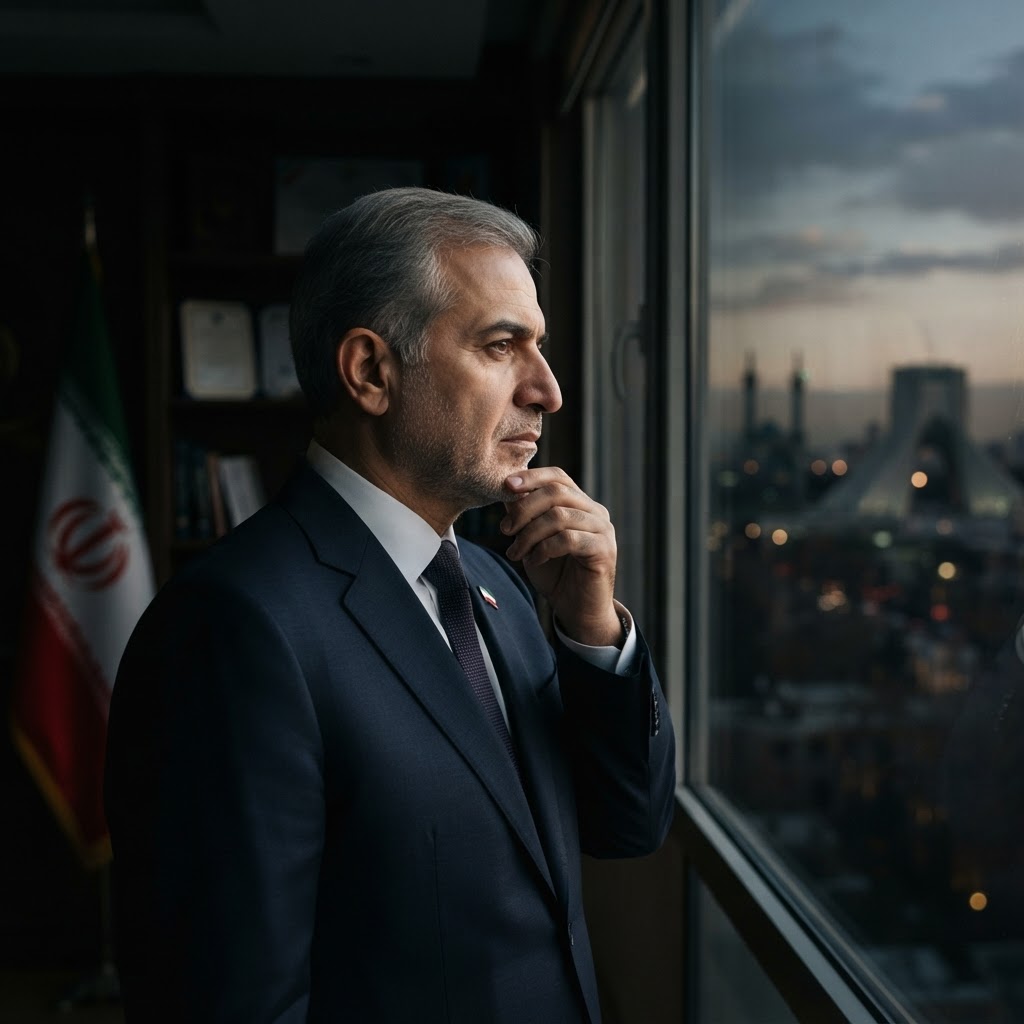
Foreign Minister Abbas Araghchi has declared that Iran is prepared for full-scale conflict, even as the regime insists that the window for de-escalation remains open. The assertion places the international community on edge as the rhetoric from both Washington and Tehran reaches a critical juncture.
The Shadow of Escalation
As the autumn leaves settle over Whitehall, the long-standing volatility of the Middle East has once again demanded the undivided attention of the Foreign Office. In a statement that has sent shockwaves through the corridors of power in London, Washington, and Brussels, Iranian Foreign Minister Abbas Araghchi announced that the Islamic Republic is fully prepared for a resumption of conflict. The declaration, delivered with the characteristic gravity of a state preparing for the unthinkable, serves as a stark reminder of how fragile the regional security architecture has become.
The Duality of Iranian Strategy
The Iranian position remains a complex tapestry of military signalling and diplomatic manoeuvre. While Araghchi’s rhetoric concerning combat readiness is designed to project strength to a domestic audience and deter external aggression, he has been careful to articulate that diplomacy has not been entirely exhausted. This duality is emblematic of Tehran’s strategy: maintaining a high state of military preparedness while keeping the door ajar for high-level negotiations, provided the terms are favourable.
Global Repercussions and Western Perspectives
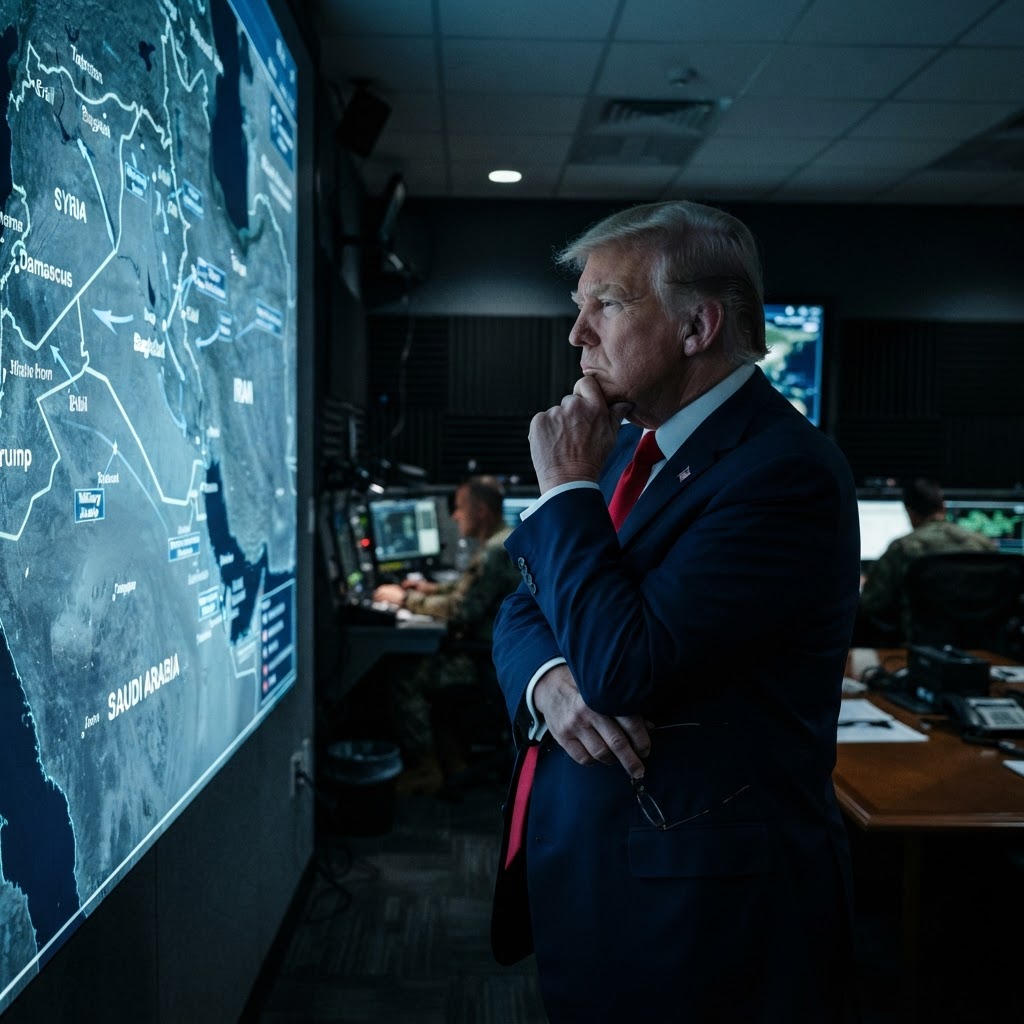
In the United Kingdom, the prevailing sentiment is one of measured concern. Policy experts suggest that the current posturing is indicative of a regime attempting to navigate intense geopolitical isolation. The recent escalations follow a series of interventions involving the United States and various regional proxies, which have significantly compressed the space for miscalculation. President Trump, currently campaigning on a platform of robust foreign policy, has publicly defended recent actions against Iranian interests, framing them as a necessary assertion of American strategic resolve. For analysts in London, this indicates that the cycle of provocation and response is unlikely to break in the near term.
An Expert Perspective
Dr. Elena Vance, a senior fellow at the Royal United Services Institute, notes that the rhetoric coming out of Tehran is as much about domestic survival as it is about external projection. 'Araghchi is walking a tightrope,' she observes. 'By confirming military readiness, he satisfies the hardline factions within the Revolutionary Guard, yet by keeping diplomatic channels open, he signals to the international community that the regime remains open to engagement if the price is right. The danger, of course, is that in a region this volatile, verbal posturing can lead to kinetic outcomes that neither side genuinely desires.'
The Diplomatic Dilemma
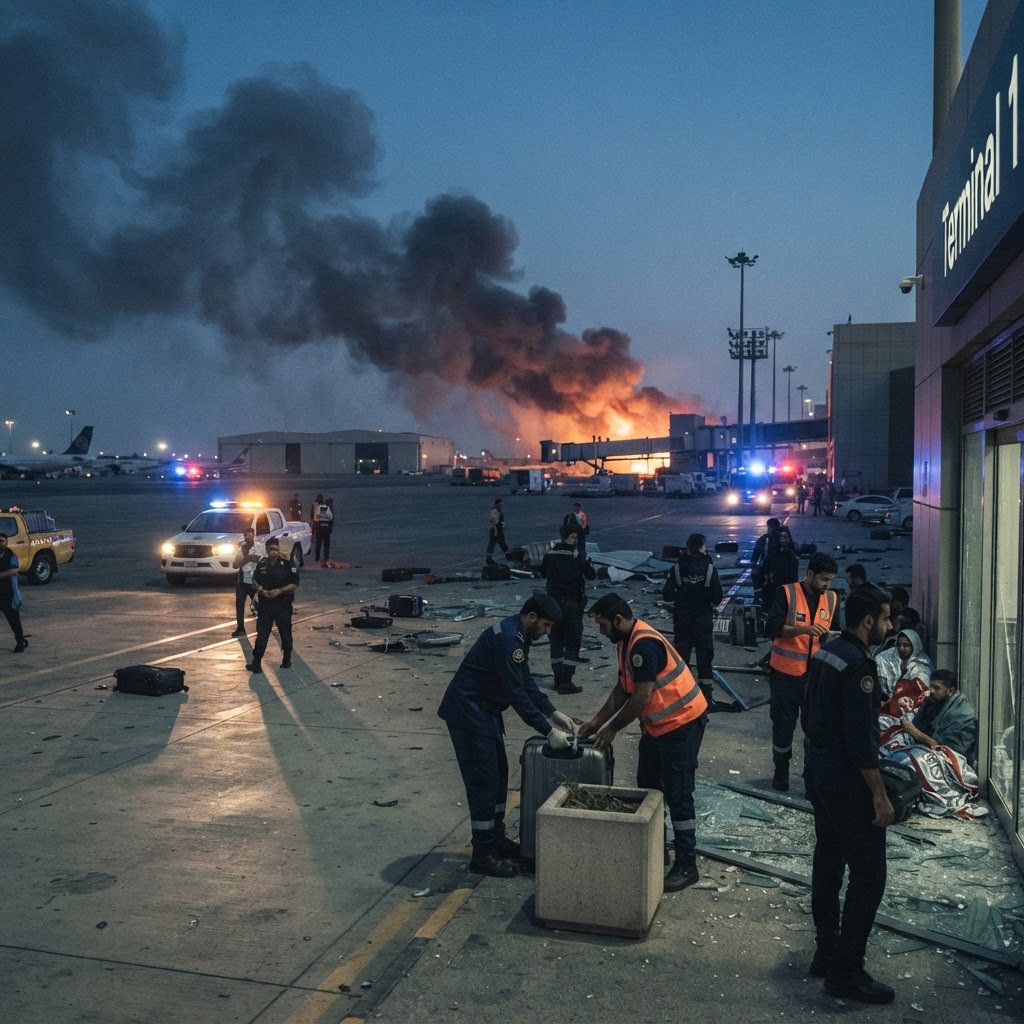
As the international community watches, the role of European mediators has become increasingly precarious. With the US taking a decidedly hawkish stance, the diplomatic efforts led by the UK and its European counterparts are struggling to gain traction. The core of the issue remains the lack of trust between the relevant capitals. Without a substantial de-escalation framework, the risk of a regional spillover remains high, threatening not only stability in the Levant but also the integrity of global shipping lanes in the Persian Gulf.
Conclusion
The coming weeks will prove pivotal. As the diplomatic clock ticks, the world awaits to see whether the talk of war is a genuine precursor to kinetic engagement or merely the latest instalment in a long-running geopolitical drama. For now, the Ministry of Defence maintains its vigilance, monitoring the situation with the sober awareness that the path to peace is becoming increasingly narrow.