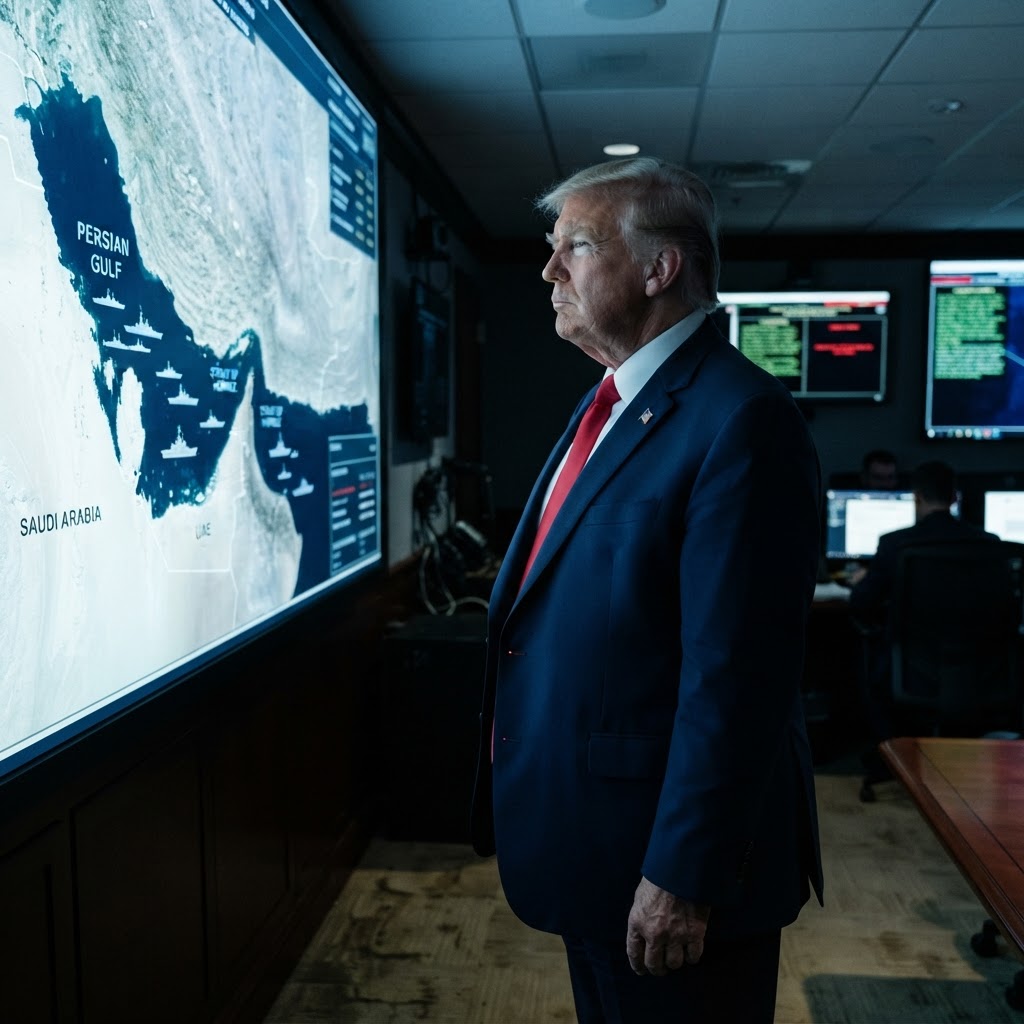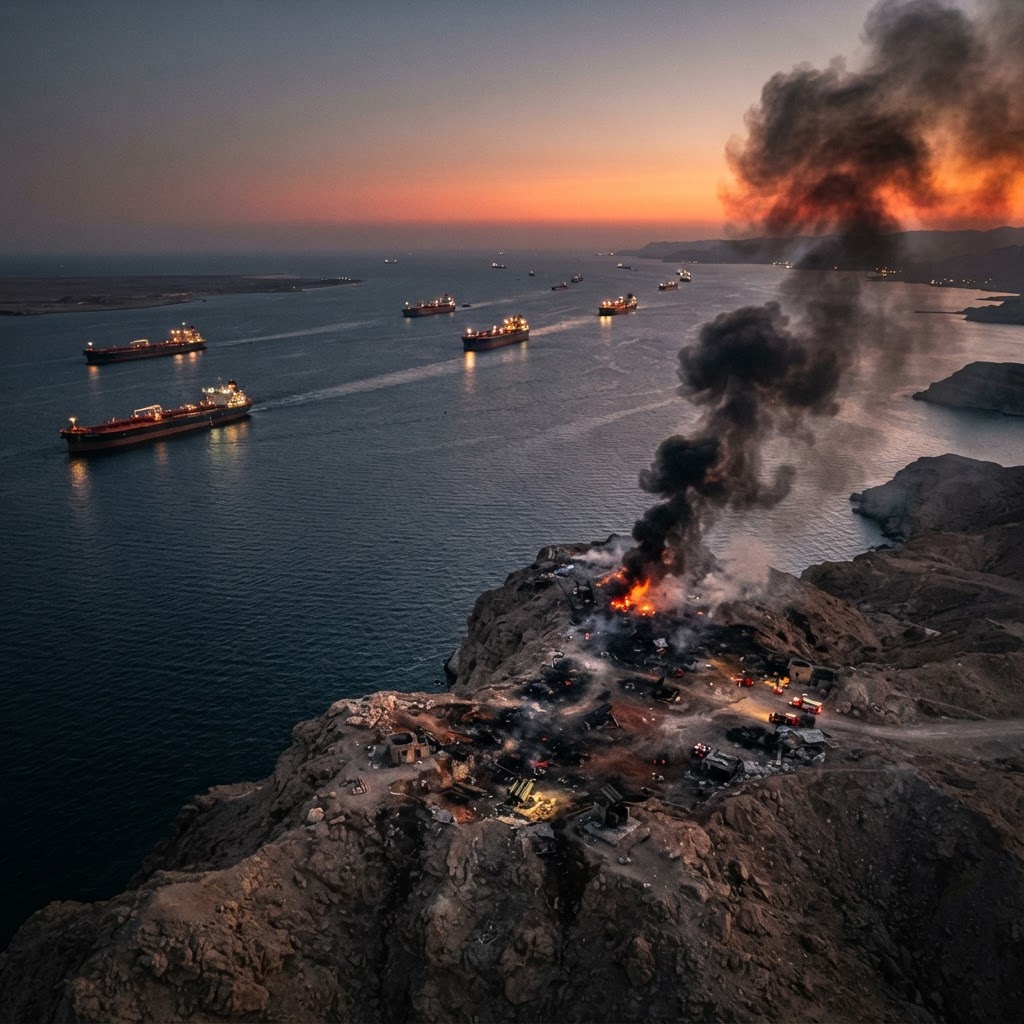
A Resumption of Hostilities The delicate equilibrium that has held across the Persian Gulf for the past month shattered in the early hours of Sunday morning. American military assets, operating in the shadow of the Strait of Hormuz, conducted precise air strikes against Iranian mobile rocket launchers positioned near Larak Island. The operation, a calculated display of force, represents the most significant breach of the de facto truce between Washington and Tehran in recent memory.
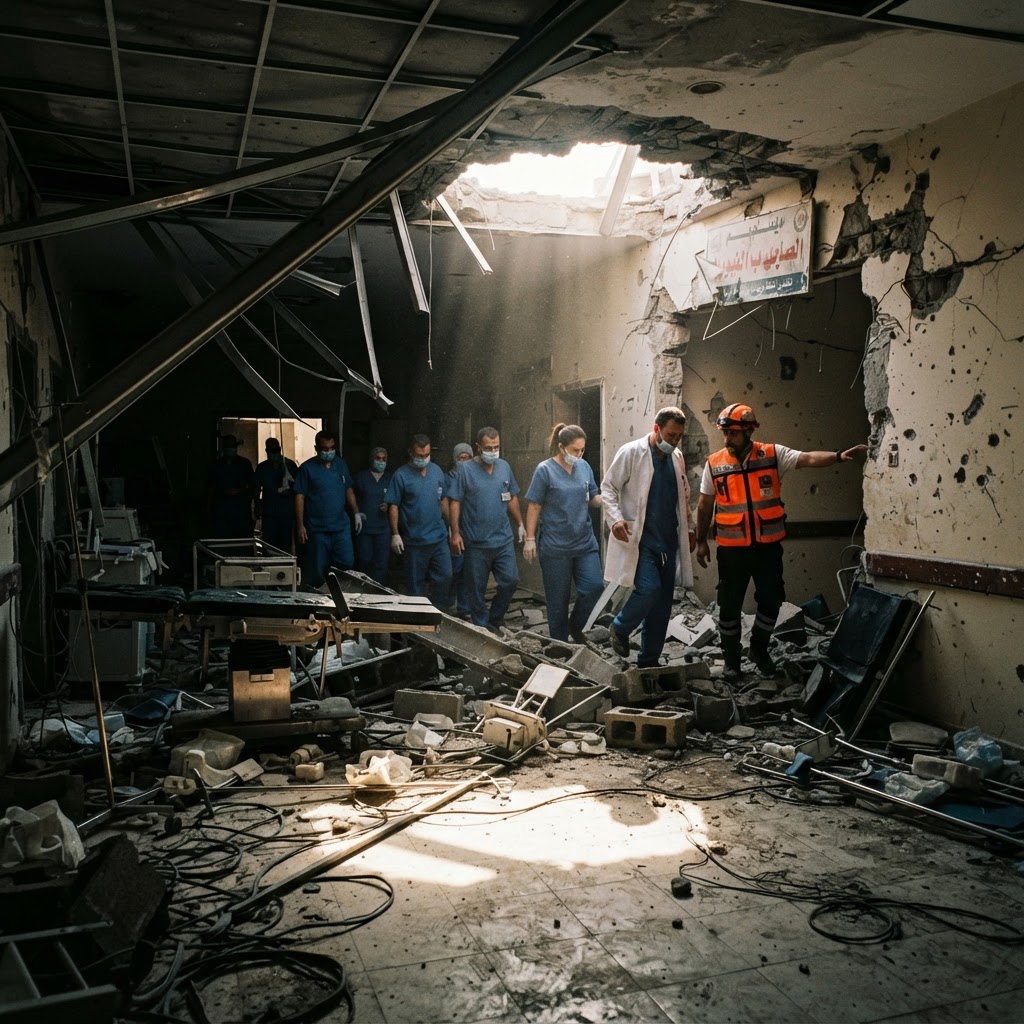
Pentagon officials confirmed that the strike was intended to neutralise a credible threat to international shipping lanes, through which nearly a fifth of the world's oil transits. However, the political fallout from the incident is already reverberating far beyond the immediate blast zone. The Islamic Revolutionary Guard Corps (IRGC) has confirmed that its personnel were caught in the engagement, reporting both fatalities and injuries among its ranks. Such losses will undoubtedly necessitate a calculated response from Tehran, which has historically viewed incursions into its maritime periphery as an existential affront.
The Economic Noose Tightens Simultaneously, the Biden-Trump transitionary landscape has seen a sharp hardening of fiscal policy. United States Treasury Secretary Scott Bessent has signalled an intensification of the economic blockade, announcing that the administration is preparing a fresh tranche of sanctions aimed at international financial institutions facilitating trade with Tehran. These measures, arriving just days before the G20 summit, are designed to further isolate Iran's domestic economy, effectively squeezing the regime's capacity to project power abroad.
For the City of London, the implications are profound. Financial institutions with exposure to Middle Eastern markets are already recalibrating their risk assessments. Analysts suggest that if the US carries out its threat to penalise major international banks for processing Iranian transactions, the resulting volatility could disrupt global energy markets at a time when commodity prices remain fragile.
A Regional Conundrum The escalation has sent shockwaves through the corridors of power in Riyadh. Saudi Crown Prince Mohammed bin Salman has issued an uncharacteristically urgent public appeal to the White House, advocating for immediate dialogue as the only mechanism to avert a full-scale regional conflict. The Saudi leadership, long the primary regional adversary of Iran, now fears that an uncontrolled escalation could derail their ambitious 'Vision 2030' project, which requires a stable regional environment to attract foreign investment.
Meanwhile, behind the scenes, diplomacy continues in its most secretive form. While Tehran maintains an official posture of defiance against Washington, it has engaged in earnest negotiations with Oman. These maritime-access talks, held away from the glare of international media, suggest that even as the IRGC rhetoric remains militant, the Iranian leadership is acutely aware of the logistical strangulation that a prolonged naval blockade would impose upon the Strait of Hormuz.
“The combination of targeted kinetic strikes and aggressive financial warfare has pushed the region to a precipice.”
The View from Westminster In Whitehall, the Foreign Office has adopted a position of cautious concern. Given the UK's historical involvement in regional maritime security—specifically through the ongoing support for the International Maritime Security Construct—there is a palpable fear that British naval vessels could be drawn into the crossfire. A senior source within the Ministry of Defence noted that the intelligence landscape remains highly fluid, and that while the UK supports the right to freedom of navigation, there is little appetite for an expanded conflict that serves only to exacerbate domestic fuel price instability.
As the international community awaits the next move from the Supreme Leader’s office, the consensus among observers is grim. The combination of targeted kinetic strikes and aggressive financial warfare has pushed the region to a precipice. Whether diplomacy can once again prevail, or if this is the beginning of a protracted confrontation, remains the central question of this geopolitical summer.