A Rising Tide of Diplomatic Hostility The fragility of the current geopolitical order was thrown into sharp relief this week as the Kremlin issued a formal and grave warning to the United Kingdom, cautioning of direct consequences for London’s continued provision of sophisticated drone technology to the Ukrainian military. The diplomatic outburst, which follows a period of mounting intensity in the conflict, signals a significant deterioration in the already fractured relationship between Whitehall and Moscow.
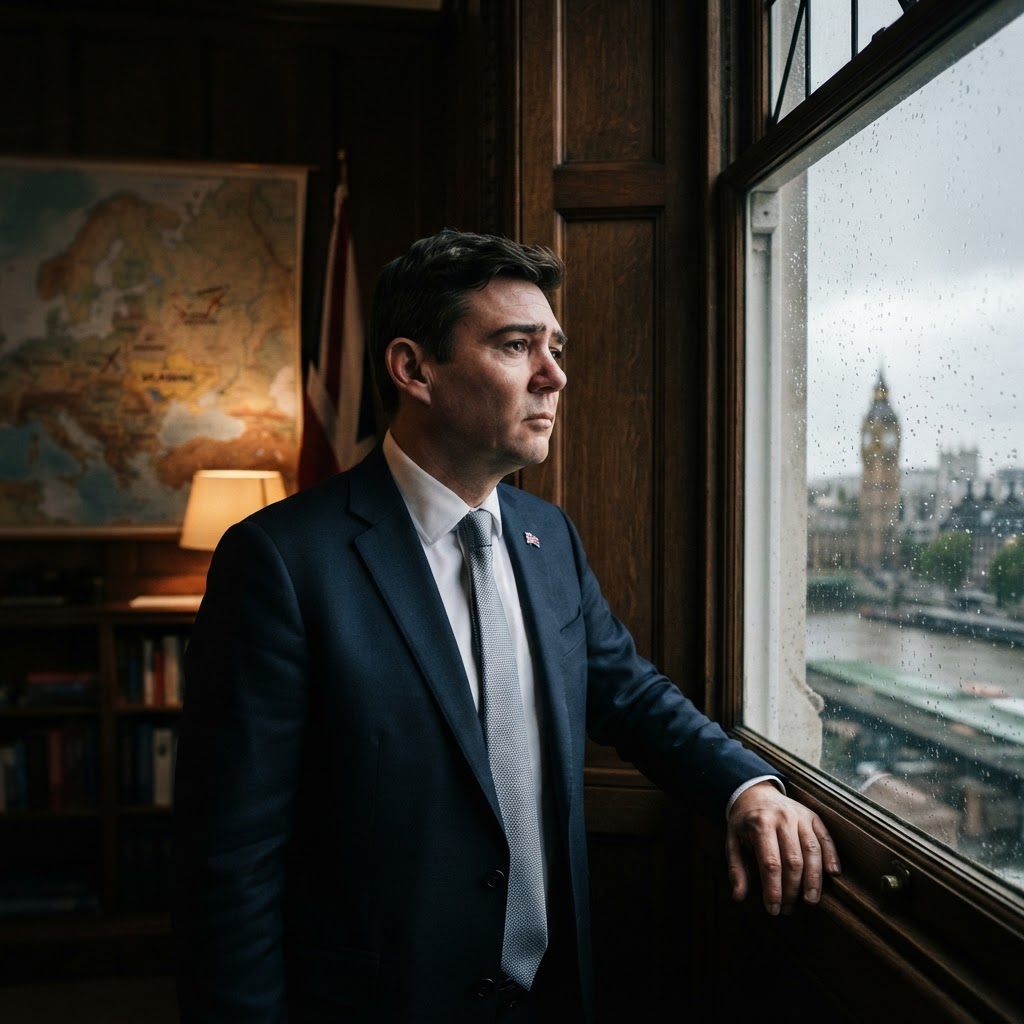
Speaking from Downing Street, Prime Minister Andy Burnham remained unflinching in the face of Russian rhetoric. Addressing the press on Wednesday morning, Mr Burnham asserted that Britain’s strategic alignment with Kyiv is not merely a matter of tactical necessity but an unshakeable moral obligation. 'We will support Ukraine one hundred per cent,' the Prime Minister stated, underscoring that the UK remains committed to ensuring that Ukrainian forces possess the capabilities required to defend their sovereignty against illegal aggression.
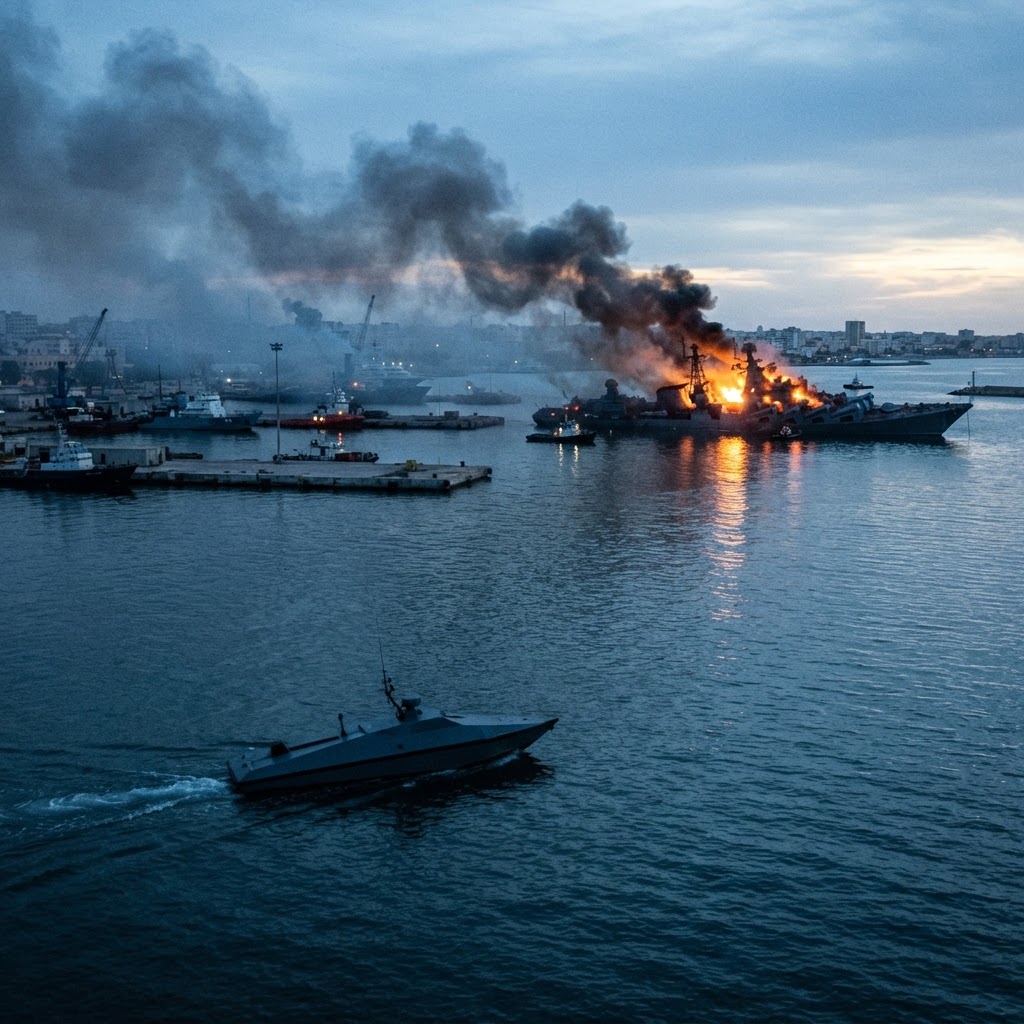
The Shadow of Recent Escalation The Kremlin's ire is ostensibly linked to reports that Ukrainian forces successfully launched a coordinated strike involving 400 drones aimed at targets within the Russian capital. This tactical pivot by Kyiv represents a notable increase in the sophistication of its asymmetric warfare capabilities. However, the intensity of the current escalation cannot be viewed in isolation. The battlefield landscape has been darkened by a brutal Russian aerial assault on Kyiv, which claimed at least 15 lives and left a trail of destruction in civilian sectors of the city. While the Ukrainian air force reports the successful interception of 186 incoming missiles and drones, the human cost remains devastatingly high.
Military analysts in London suggest that Moscow's warning to the UK is largely a performative attempt to deter Western military aid as the Kremlin struggles to maintain control over its own airspace. 'Russia is telegraphing its vulnerability,' noted Dr. Elena Vance, a senior fellow at the Royal United Services Institute. 'The threat against Britain is a transparent attempt to fracture the unified resolve of the European coalition, yet it is unlikely to alter the trajectory of British military assistance.'
Global Instability and the Diplomatic Vacuum The heightened tension between London and Moscow occurs against a backdrop of wider global instability. The collapse of the anticipated peace talks between Washington and Tehran—which failed to materialise this week—has removed a potential pillar of stability in an increasingly volatile international landscape. The absence of a formal diplomatic channel between the United States and Iran has left observers concerned that the conflict in Ukraine may increasingly become entangled with other regional flashpoints, further complicating the prospects for a de-escalation.
Within Westminster, the consensus on the government's stance appears robust, though not without underlying anxiety regarding the potential for miscalculation. Conservative shadow ministers have urged the administration to remain vigilant against Russian cyber-espionage and other 'grey-zone' activities, which many intelligence officials believe may be the true intended 'consequences' promised by the Kremlin. Despite these concerns, there is no appetite in the House of Commons for a reduction in military aid.
“We will support Ukraine one hundred per cent, and Britain will remain at Kyiv's side in its hour of greatest need.”