A New Threshold of Instability The global energy landscape shifted fundamentally on Wednesday as Brent crude surged past the $100-a-barrel threshold for the first time since July, an upward movement dictated by the cold logic of war rather than the standard fluctuations of supply and demand. The catalyst was a series of co-ordinated military actions that have effectively transformed the world’s most vital maritime chokepoint into an active combat zone.
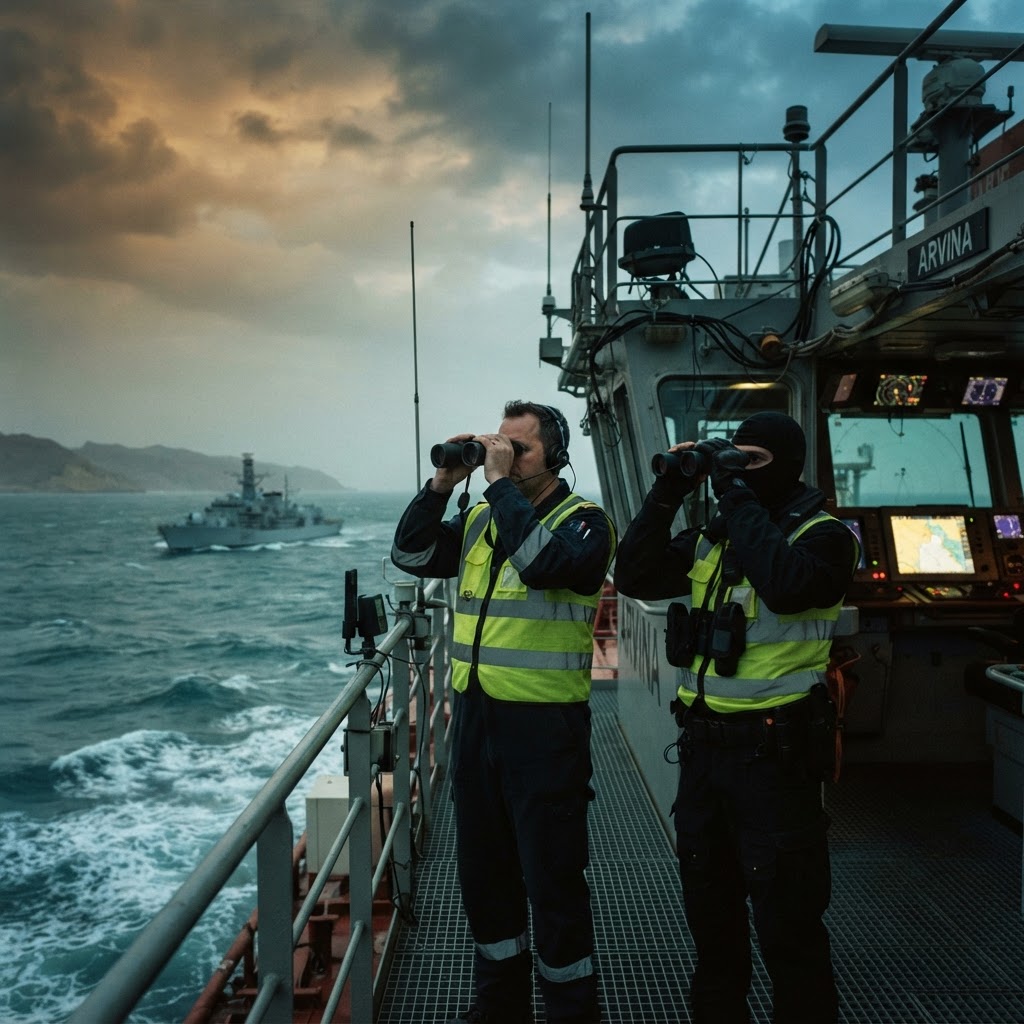
Following an intelligence-led operation, United States naval assets engaged and struck five Iranian tankers accused of breaching international sanctions and facilitating the covert transport of weaponry. The response from Tehran, and its affiliated Houthi proxies, was immediate and aggressive. This exchange represents the most significant escalation in maritime hostility since the current regional instability began, raising grave concerns within the City of London and among energy traders that the geopolitical premium on every barrel of oil has entered a permanent, elevated state.
The Strait of Hormuz at Risk The Strait of Hormuz remains the precarious jugular vein of the global economy, through which approximately 20 per cent of total global oil consumption must pass daily. Any sustained disruption here is not merely a regional issue but an existential threat to the economic recovery of Western nations. As the Houthis continue their persistent campaign against commercial shipping, shipping insurance premiums for vessels traversing the Persian Gulf have spiked to historic highs, a cost that will inevitably be passed on to the British consumer at the petrol pump.
Energy analysts are warning that the market is currently pricing in a scenario that goes well beyond temporary disruption. 'The market is no longer looking at this as a localized tactical skirmish,' said Julian Vane, a senior energy strategist at a London-based consultancy. 'We are seeing a systemic re-evaluation of risk. When the United States chooses to strike Iranian-flagged tankers, they are signaling a departure from containment strategies toward direct confrontation. That is a binary shift in the risk environment.'
UK Economic Implications In Westminster, the Treasury is watching these developments with mounting unease. Higher oil prices act as a direct tax on the British economy, threatening to reverse the gains made in curbing inflation over the last eighteen months. Transport costs for logistics firms are expected to soar, creating a secondary inflationary wave that could force the Bank of England to rethink its current interest rate path. There is a palpable sense of anxiety that the fragile post-pandemic supply chains are once again being held hostage by the volatility of the Middle East.
The Geopolitical Calculus Tehran maintains that these strikes constitute an act of economic warfare. By keeping the Strait of Hormuz under pressure, the Iranian leadership is leveraging its geographic advantage to remind Western powers of the catastrophic potential for economic self-harm should the conflict escalate into a wider regional conflagration. The Houthi persistence, meanwhile, proves that traditional naval power alone is insufficient to secure these lanes when facing distributed, drone-heavy asymmetric warfare.
As the international community calls for de-escalation, the reality on the water remains grim. With multiple tankers damaged and the maritime insurers demanding impossible premiums, many shipping companies are now opting to divert their fleets around the Cape of Good Hope. This detour adds weeks to transit times and creates a new logistical bottleneck that will disrupt commodity flows well into the winter months. The surge to $100 a barrel is not merely a number on a trading floor; it is a clear indicator that the era of secure energy transit has, at least for the foreseeable future, come to a sudden and uncomfortable end.
“The market is no longer looking at this as a localised tactical skirmish; we are seeing a systemic re-evaluation of risk.”