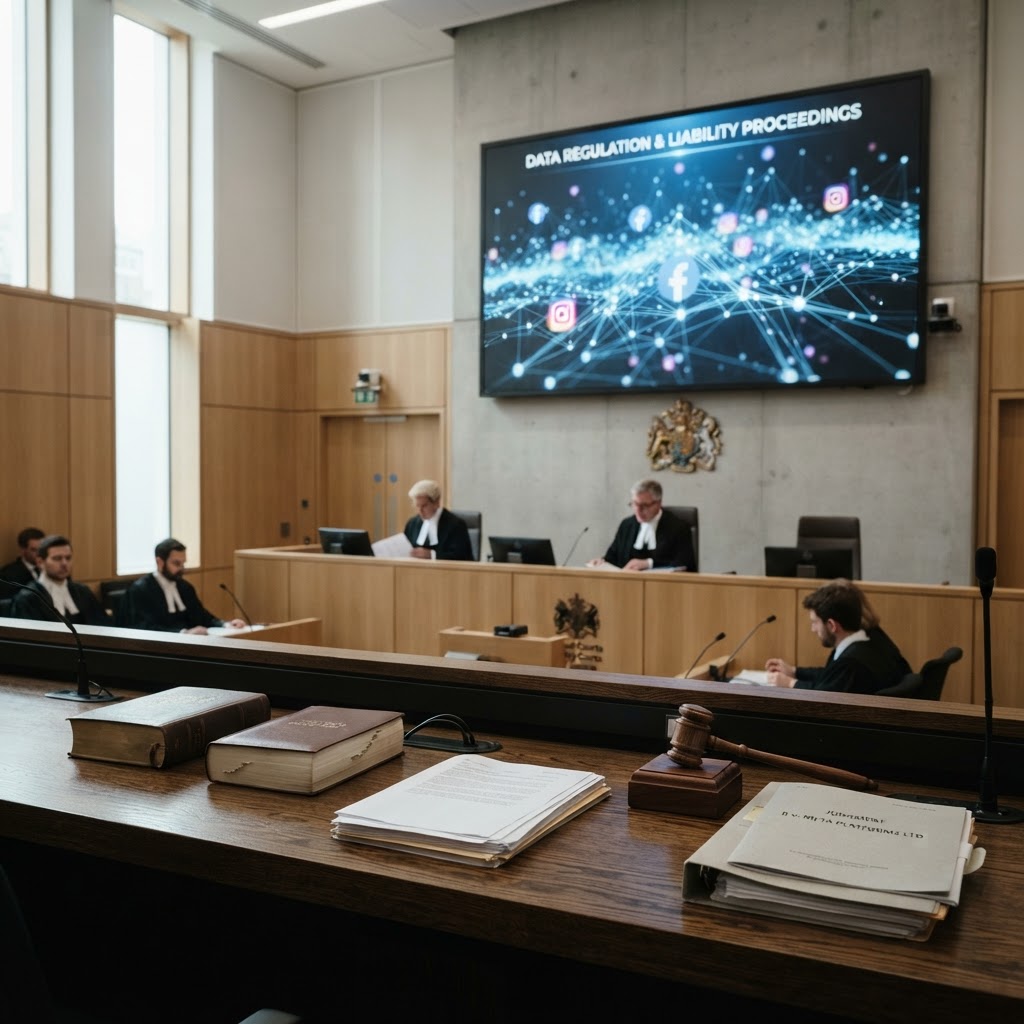
Meta, TikTok, and X have seen their challenge against Ofcom’s oversight powers dismissed by the High Court. The ruling affirms the regulator’s authority to compel data disclosure under the stringent Online Safety Act.
A Watershed Moment for Digital Accountability
In a significant judicial victory for the British communications watchdog, the High Court has dismissed a coordinated legal challenge brought by three of the world’s most influential social media companies. Meta, TikTok, and X had sought to curb the expansive powers granted to Ofcom under the Online Safety Act, arguing that the regulator’s demands for internal safety data were overly burdensome and poorly defined. The court’s decision, delivered this week, reinforces the position that tech giants operating in the United Kingdom are subject to rigorous public oversight, particularly concerning the protection of minors.
The Scope of the Online Safety Act
At the heart of the litigation was the interpretation of the Online Safety Act, a piece of legislation that has placed the UK at the vanguard of global efforts to regulate digital platforms. The Act mandates that companies must assess the risks posed by their algorithms and user content, and explicitly provide Ofcom with the transparency required to verify these assessments. For the tech firms, the dispute was not merely about compliance costs, but about the precedent of disclosing proprietary data that could expose internal algorithmic mechanisms.
Ofcom’s Mandate Upheld
Ofcom has long maintained that it cannot effectively police the digital landscape without unfettered access to the metrics that influence user behaviour. By refusing to comply with the regulator’s initial requests, the platforms risked facing fines of up to ten percent of their global annual turnover. The High Court’s ruling confirms that the regulator’s information-gathering powers are both lawful and necessary to fulfil its statutory duty to safeguard the public interest. The judgment clarifies that the responsibility for ensuring the safety of children and vulnerable individuals lies with the platforms themselves, and that Ofcom acts as the final arbiter of accountability.
Expert Perspectives
Digital rights groups have hailed the decision as a necessary check on the unchecked influence of Silicon Valley. Analysts suggest that this ruling signals an end to the era of digital exceptionalism, where multinational corporations believed they could bypass domestic regulatory oversight. 'The court has sent an unambiguous message,' noted Dr. Alistair Finch, a senior fellow at the Institute for Digital Policy. 'By upholding Ofcom’s authority, the judiciary has prioritised citizen safety over corporate convenience. We are witnessing a fundamental shift in the social contract between the state and the tech sector.'
The Road Ahead
While the tech giants have not yet indicated if they will pursue an appeal, the immediate impact of this ruling is clear: the data must be shared. Ofcom is expected to move swiftly to implement its regulatory roadmap, having already signalled that it will not tolerate further delays. As the industry recalibrates to this new regulatory reality, the spotlight will inevitably turn to whether this UK-led model will influence broader European and global policy frameworks. The precedent set in London today may well echo through legislative chambers in Washington and Brussels, marking a new chapter in the struggle for a safer digital environment.