National Post UK
A Fragile Calm Descends on the Strait of Hormuz as Diplomatic Windows Reopen

Global energy markets show signs of recovery following a cessation of hostilities in the Middle East. President Trump’s

The National Post

HomeWorld
World

A Fragile Calm Descends on the Strait of Hormuz as Diplomatic Windows Reopen

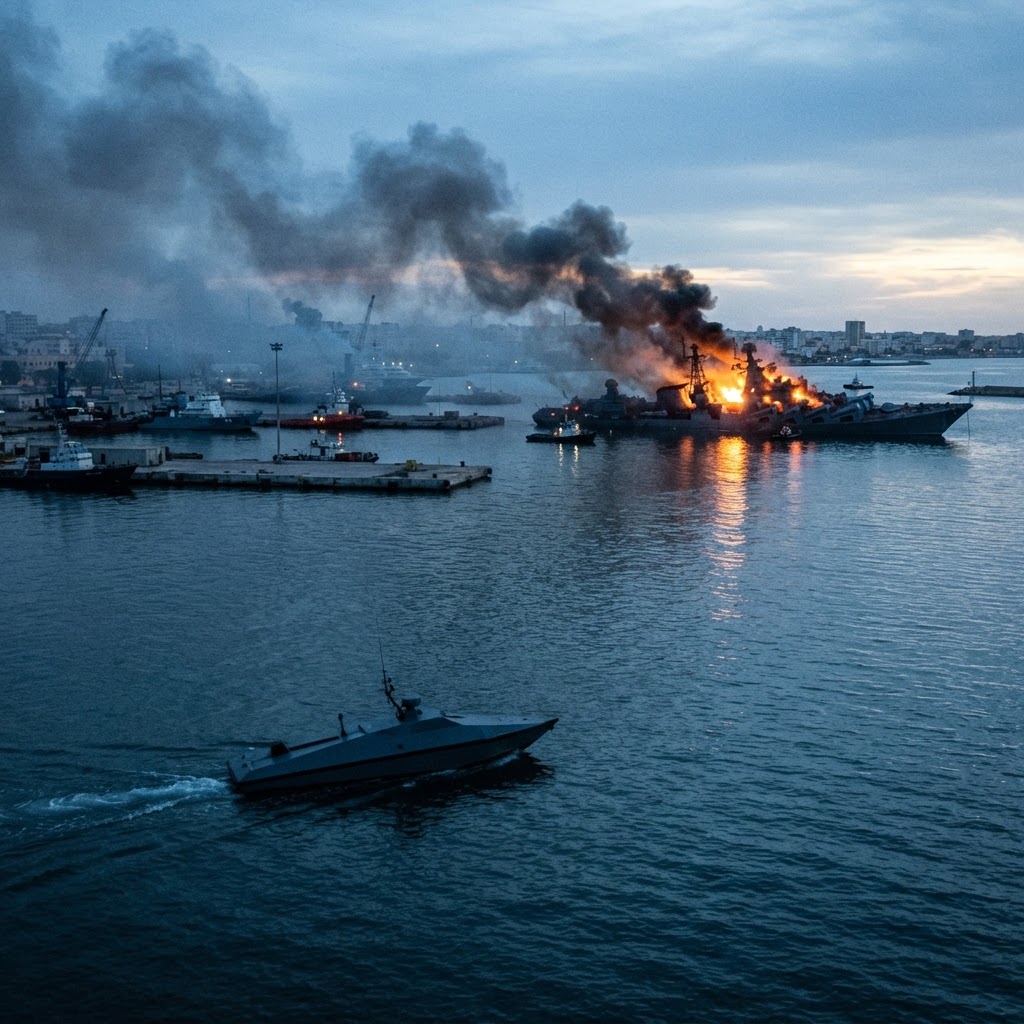
Global energy markets show signs of recovery following a cessation of hostilities in the Middle East. President Trump’s sudden pivot toward mediation marks a pivotal moment in the enduring blockade of the world's most vital maritime artery.

DC

David Chen

Foreign Correspondent

Published 28 July 2026·4 months ago 3 min read
Text
Share

The Easing of Energy Volatility For the first time in six months, the fever pitch surrounding the Strait of Hormuz has begun to subside. Brent crude futures, which have been subjected to the erratic pulses of conflict, settled at $87.82 per barrel this morning, a decline of 0.6 per cent following the welcome news that US and Israeli airstrikes on Iranian infrastructure have ceased. For a global economy that has been held hostage by the effective closure of this critical energy corridor since February, the silence of munitions is a development that financial centres in London, New York and beyond have greeted with cautious relief.

The Weight of the Blockade Since the systemic collapse of regional diplomatic frameworks earlier this year, the Strait—through which a significant portion of the world’s liquefied natural gas and oil transits daily—has become the epicentre of geopolitical brinkmanship. The blockade has functioned as a tax on global recovery, pushing fuel prices to levels that have stoked inflationary pressures across the United Kingdom. Households and industrial sectors alike have felt the acute sting of a disruption that threatened to derail the tentative economic growth observed in the G7 nations. The cessation of the thirteen-night aerial campaign, which served as a kinetic response to the failure of previous rounds of diplomacy, provides the first tangible opening for a resolution.

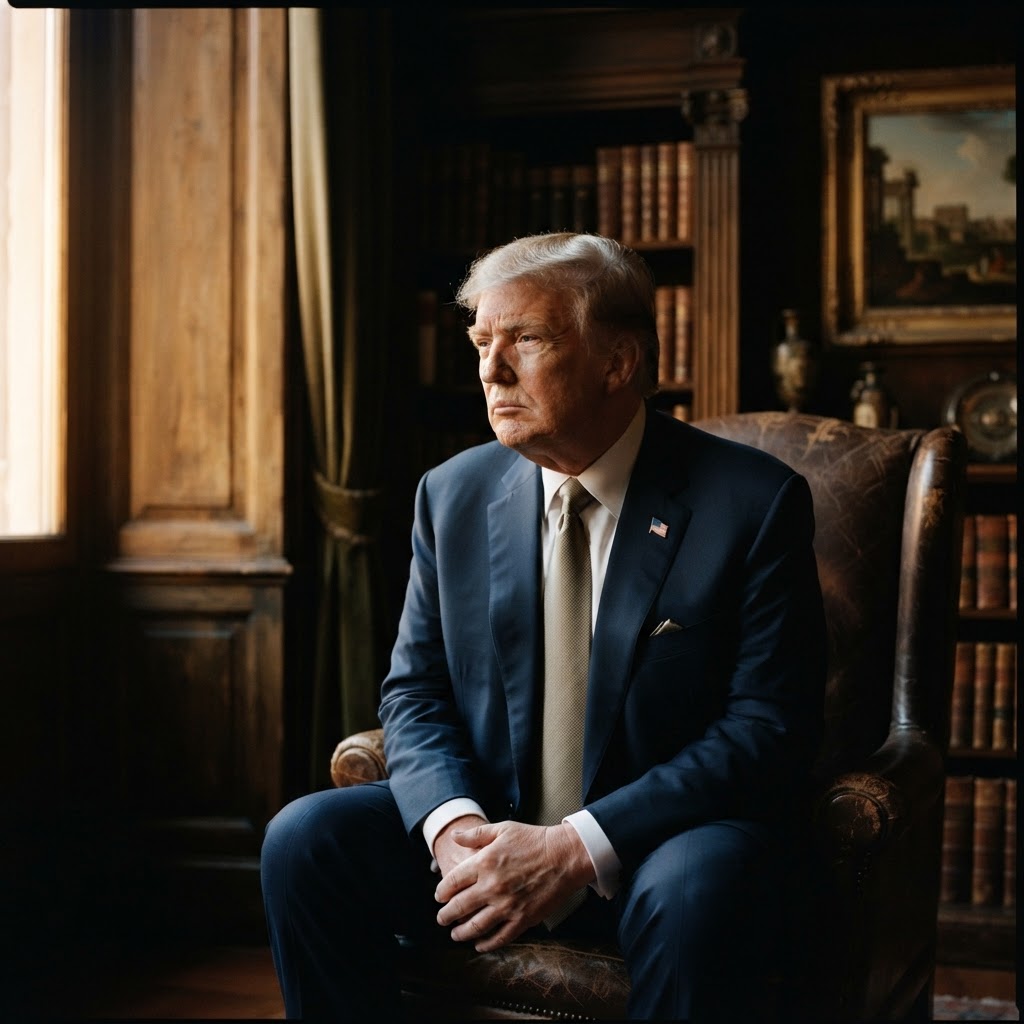
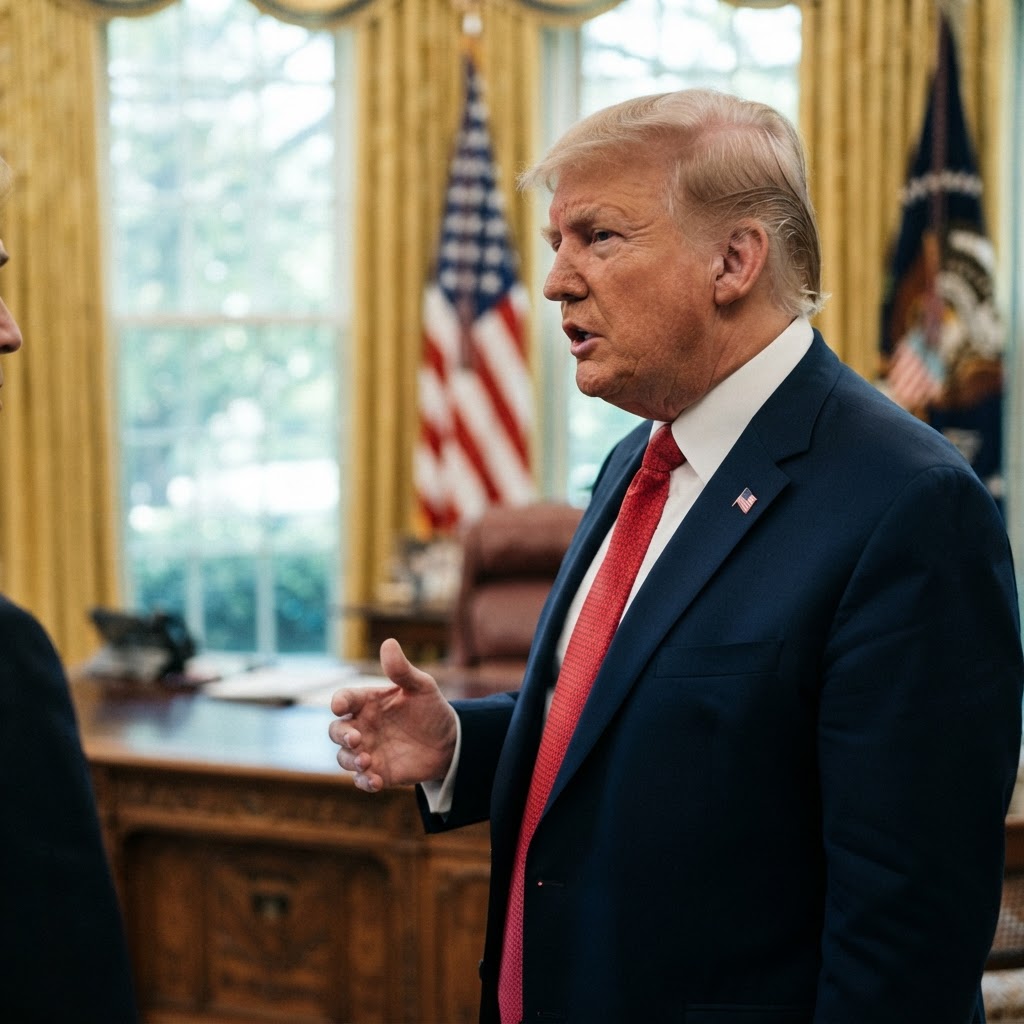
The Path to Rome Diplomatic focus has now shifted to the Italian capital, where a new iteration of US-mediated talks is set to convene on 4 August. President Trump has struck an uncharacteristically optimistic tone, suggesting that a breakthrough with Tehran is within reach. While senior officials in Whitehall remain circumspect regarding the likelihood of a comprehensive agreement, the willingness of regional actors to return to the negotiating table is an admission that the current state of conflict is unsustainable. The economic toll on both the Islamic Republic and its neighbours, combined with the pressure applied by international powers, has arguably necessitated this shift in strategy.

Expert Perspectives Dr Elena Vance, a senior fellow at the International Institute for Strategic Studies in London, suggests that while the news is positive, the underlying tensions remain deep-seated. She notes that the 'ceasefire' must be treated as a temporary suspension of hostilities rather than a permanent peace. The challenge for negotiators in Rome will be to bridge the vast gap between the security demands of Washington and the sovereignty assertions of Tehran. Without a robust monitoring mechanism for the Strait itself, any agreement will face the constant threat of collapse. For the British energy sector, which has been forced to diversify supply chains at great cost, a return to the status quo ante is seen as the only realistic path to stabilising the North Sea and domestic energy security.

Looking Ahead As the international community awaits the outcome of the Roman summit, the focus turns to the mechanics of de-escalation. The removal of the Iranian blockade remains the primary objective, yet the path forward is paved with political hazards. Should the talks prove fruitful, the global markets may see a sustained return to pre-February pricing. However, if the rhetoric reverts to the belligerence witnessed in early July, the fragility of the current peace will be cruelly exposed. For now, the focus remains on the quiet waters of the Strait, a silent testament to the precarious state of the current international order.

TopicsOil MarketsStrait of HormuzDonald TrumpMiddle East GeopoliticsEnergy Security
Share

About the Author

DC

David Chen

Foreign Correspondent

David Chen reports for National Post UK with a focus on rigorous analysis and authoritative journalism — a trusted voice across British public life.

Reader Discussion · 6

Subscribers can join the conversation.

SUBSCRIBE TO COMMENT →
F
Fiona Campbell30 Jul

Diplomacy is always preferable to the alternative. Let us hope the stakeholders involved have the patience to see these talks through to a lasting agreement.

D
David Sterling30 Jul

We should be looking at this as a clear signal to accelerate our transition away from dependence on volatile oil markets. Relying on shipping lanes that can be choked off at a whim is no longer a viable strategy for the UK.

E
Elaine Baker30 Jul

My brother worked in the shipping industry out there for years and said the anxiety among the crews was palpable. Even a small step towards de-escalation is welcome news for those families.

M
Marcus Thorne30 Jul

This is merely a pause, not a resolution. Until the underlying geopolitical tensions in the Gulf are properly addressed, the Strait will remain a flashpoint.

S
Sarah Jenkins30 Jul

I will believe it when I see it at the petrol pump. Prices always seem to shoot up the moment there is a hint of trouble, but they take forever to come back down.

A
Arthur Penhaligon30 Jul

It is a relief to see the market cooling down at last. One hopes the diplomatic channels remain open long enough for some actual stability to take hold.

More from World

Most Read in World

Morning Briefing

The day's top stories, before 7am

Join 40,000 readers who start their morning with National Post UK.