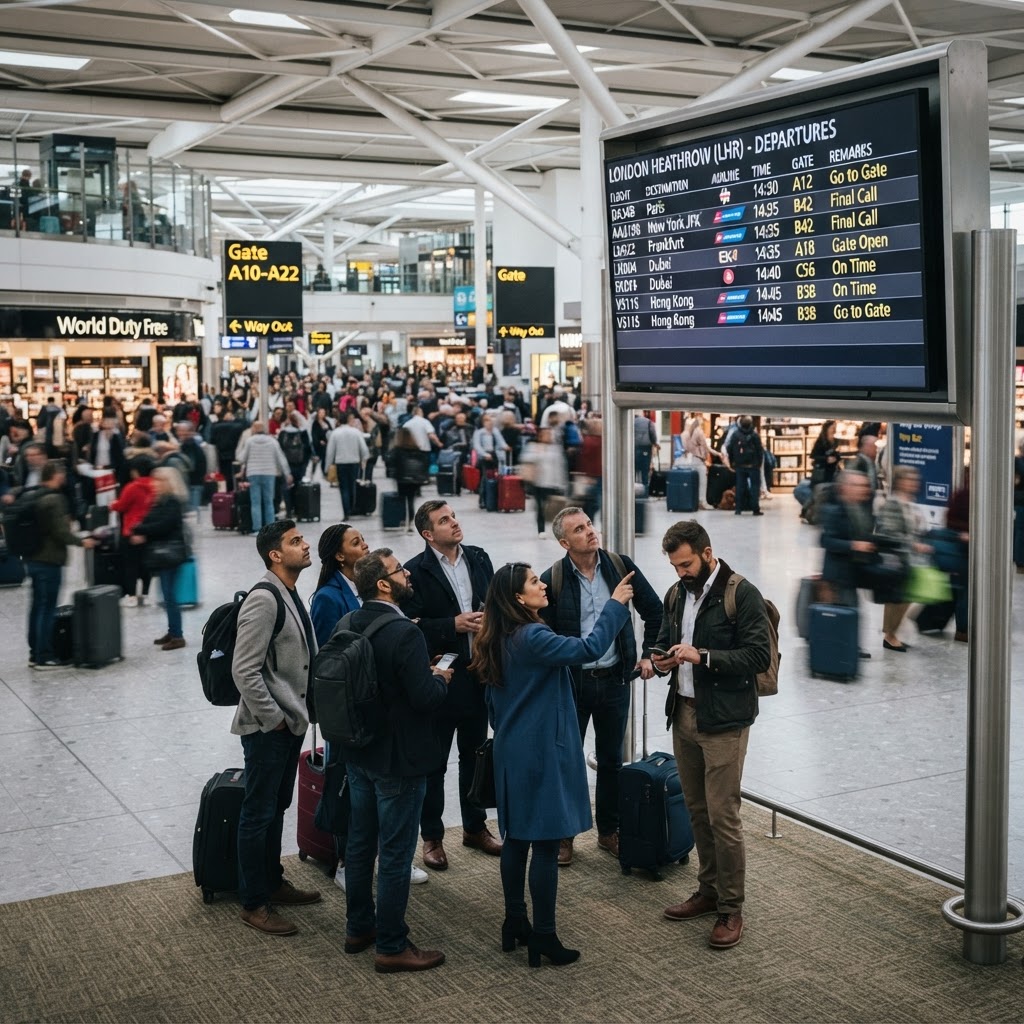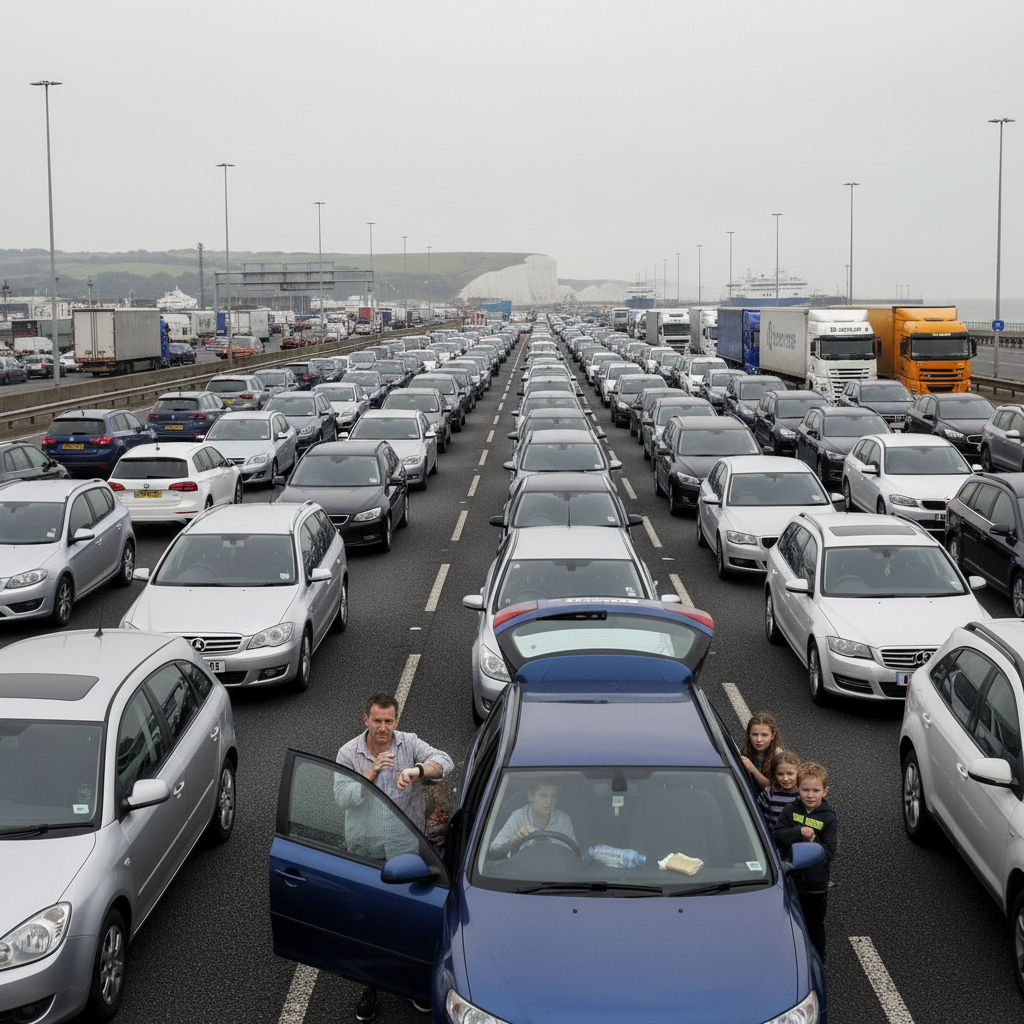
British holidaymakers heading abroad are grappling with unprecedented delays of up to six hours following a major failure of the European Union's biometric Entry-Exit System (EES). The critical outage, which occurred around 04:00 BST today, has resulted in significant bottlenecks at key travel gateways, particularly at the Port of Dover and London St Pancras International, as the peak summer travel season kicks off.
The EES is designed to streamline the movement of travellers within the Schengen Zone, employing biometric checks to ensure compliance with entry regulations. However, a synchronization error within its central database has rendered French border officials unable to process essential biometric data, including fingerprints and facial scans. This technical glitch has created a choke point for thousands of tourists and freight lorries attempting to enter continental Europe.
Operation Brock Activated
In response to the overwhelming influx of vehicles, the Port of Dover has implemented 'Operation Brock', a measure designed to manage the significant backlog on the M20. This operational strategy seeks to direct traffic to designated holding areas, yet reports indicate that delays have become extensive, with some motorists waiting for hours to reach the port.
“"The chaos we are witnessing today is a stark reminder of the complexities surrounding post-Brexit travel arrangements and the reliance on technology for border control."”
"This is one of the worst travel disruptions I have ever experienced," said one frustrated holidaymaker, who had been waiting in line for over three hours. "We thought we would be on our way to France by now, but instead, we're stuck here with kids and all our luggage. It’s incredibly frustrating."
Impact on Eurostar Services
Adding to the confusion, Eurostar has been forced to suspend check-ins for several morning services as crowds continue to build at London’s St Pancras station. Queues have rapidly spilled into the surrounding streets, with passengers expressing anger over the lack of communication from rail operators. The situation has been compounded by reports of train cancellations and significant delays.
"We were informed just 30 minutes prior to our scheduled departure that check-in was suspended, and then we saw the chaos unfolding around us," said another traveller. “It’s unbelievable that in this day and age, a technical glitch can bring everything to a standstill like this.”
Government Response and Regulatory Implications
The UK’s Department for Transport has launched emergency talks with EU counterparts in an attempt to address the escalating crisis. They are seeking a temporary waiver on biometric checks to alleviate the current congestion and restore normal operations at this vital exit point.
Dr. Emily Hartwell, a transport policy analyst, commented on the implications of the EES failure. “This technical failure highlights the complexities of cross-border travel in this post-Brexit landscape. It underscores the need for robust contingency plans to handle such technological failures, especially as travel demand spikes during the holiday season.”
The ramifications extend beyond mere inconvenience; freight delays could significantly impact supply chains struggling to manage just-in-time delivery models. As the clock ticks, industry stakeholders are expressing concern over the potential economic fallout from this disruption.
Passenger Advice and Best Practices
Amid the ongoing chaos, travellers are advised to check the latest updates from their respective carriers and allow for extra journey time. The Port of Dover has recommended that motorists avoid unnecessary travel until the backlog is cleared, while Eurostar has promised to issue further statements as soon as the situation stabilises.
Those heading to Eurostar are also encouraged to consider travelling later in the day when the situation may have improved. Furthermore, individuals with pre-booked tickets should also be vigilant for any alterations to their journey plans and remain informed via official communication channels.
Looking Forward
The travel industry, still recovering from the COVID-19 pandemic, now faces yet another daunting challenge. The timing of the Entry-Exit System failure could not be worse, coinciding with the start of the summer holiday rush. As officials work tirelessly to resolve the technical issues, both holidaymakers and business operators are left to manage the fallout.
It remains to be seen whether today’s events will provoke deeper discussions around the efficiency and reliability of shared immigration systems, particularly in a post-Brexit Britain where relations with EU countries remain intricate. Only time will tell how this disruption unfolds, but one thing is certain: the crowded streets of Dover and St Pancras have become a vivid symbol of the latest hurdles facing international travel.
"This is not just an inconvenience; it represents a significant failure in our travel infrastructure that we must address if we are to restore public confidence in travelling," concluded Dr Hartwell.