National Post UK
Heathrow Overhauls Terminal Strategy in Bid to Ease Operational Gridlock

Britain’s primary aviation hub is shifting five major carriers between terminals as part of a strategic review aimed at

The National Post

HomeTravel
Travel

Heathrow Overhauls Terminal Strategy in Bid to Ease Operational Gridlock

Britain’s primary aviation hub is shifting five major carriers between terminals as part of a strategic review aimed at balancing capacity. The move follows persistent criticism of the airport’s ability to manage passenger volumes during peak travel periods.

SC

Simon Clarke

Travel Editor

Published 29 October 2026·about 4 hours ago 3 min read
Text
Share

A Strategic Realignment of Capacity Heathrow Airport has unveiled a significant operational pivot, announcing the relocation of five international carriers across its infrastructure as part of an exhaustive review of terminal utilisation. The move, aimed at smoothing the flow of travellers through the UK’s primary aviation gateway, represents the most substantial reconfiguration of airline positioning since the post-pandemic recovery phase began. Among the most notable adjustments, Delta Air Lines will transition its operations to Terminal 4, a move that airport executives suggest will provide the necessary breathing room to manage mounting passenger density.

Addressing the Infrastructure Imperative For months, Heathrow has faced intense scrutiny regarding its operational resilience. Following a summer defined by long queues, baggage system disruptions, and public frustration, the airport authority has been under immense pressure to demonstrate a coherent strategy for future-proofing its services. This terminal reorganisation is intended to optimise the existing layout, ensuring that the disparate flows of long-haul and short-haul traffic do not conflict in the constrained spaces of Terminal 2 and Terminal 5. By decentralising the operations of legacy carriers, the airport aims to reduce the congestion that has frequently caused a knock-on effect of delays across the entire network.

The Wider Context of UK Aviation Industry analysts have long argued that Heathrow, being limited by a historic two-runway configuration, requires precise orchestration to maintain its status as a world-class hub. The decision to shift these five airlines reflects a broader shift towards data-driven terminal management. Where once terminal allocation was dictated by historical alliances, the modern mandate prioritises modular efficiency. However, the transition is not without its challenges. Airline operations rely on intricate ground handling networks, and moving a carrier like Delta requires a seamless integration of maintenance, catering, and passenger support facilities at the new site.

Expert Perspectives Aviation consultant Marcus Thorne notes that such reallocations are rarely popular with airlines due to the high costs associated with physical infrastructure migration. "The reality is that Heathrow is at capacity, and the airport has very little room for error. Shifting these airlines is a tactical move to squeeze additional utility out of existing floorspace before any potential expansion plans can be fully realised. It is about administrative triage as much as it is about infrastructure optimisation," Thorne explained.

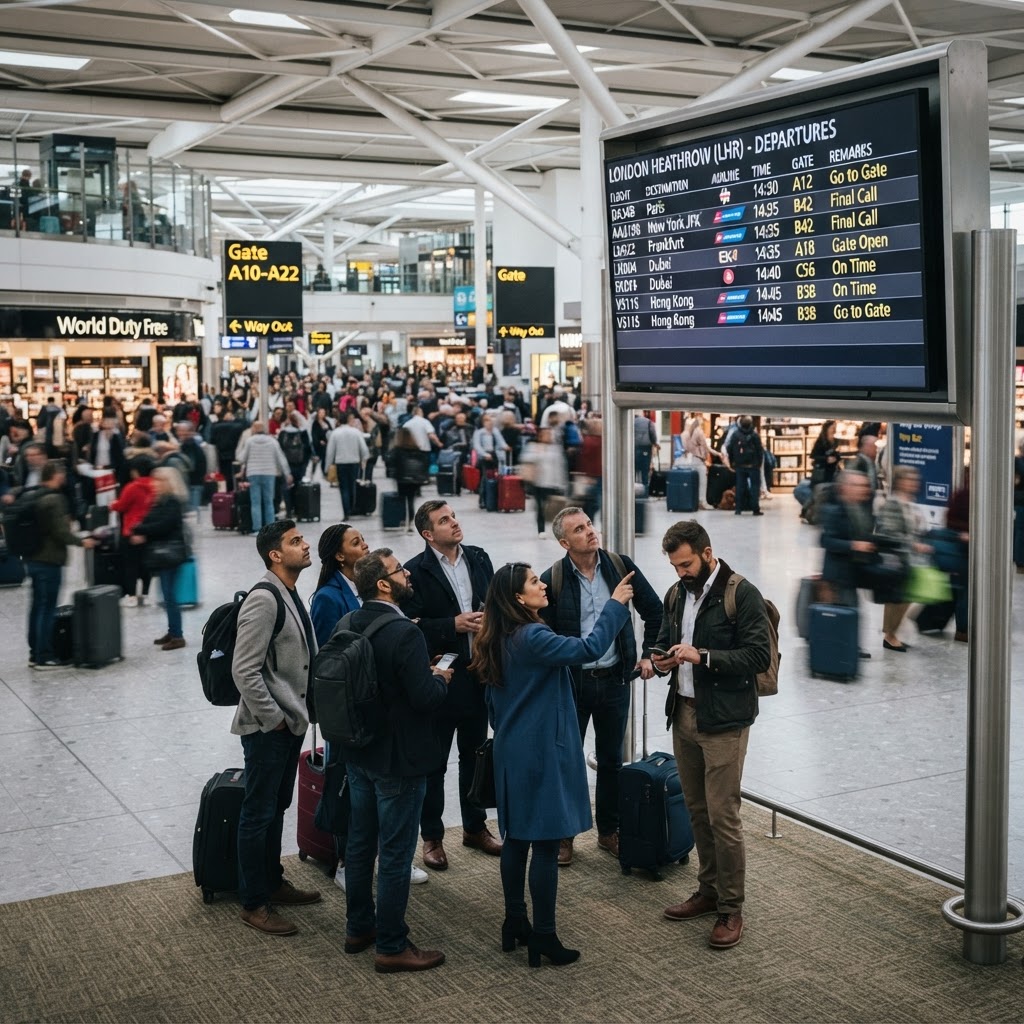
What This Means for the Passenger For the average traveller, the change promises—at least in theory—a more consistent experience. By evening out the distribution of passenger traffic, Heathrow hopes to avoid the bottlenecks that have become symptomatic of the hub’s recent performance. Yet, the burden remains on the airport to ensure that wayfinding and communication remain clear during this transition period. As the industry approaches the busy winter schedule, the efficacy of this reshuffle will be tested under the weight of high-volume international traffic. The focus remains on whether these operational adjustments are enough to satisfy the demands of the aviation regulator and the travelling public alike.

TopicsHeathrow AirportAviationDelta Air LinesUK TravelInfrastructureAirline Operations
Share

About the Author

SC

Simon Clarke

Travel Editor

Simon Clarke reports for National Post UK with a focus on rigorous analysis and authoritative journalism — a trusted voice across British public life.

Reader Discussion · 5

Subscribers can join the conversation.

SUBSCRIBE TO COMMENT →
R
Robert Sterling29 Oct

Hopefully this shift makes the connection process a bit smoother for those of us on tight layovers. Any reduction in the time spent queueing at security or waiting for inter-terminal shuttles is a win in my book.

F
Fiona Campbell29 Oct

I fly out of Heathrow at least twice a month for work and honestly, I will believe it when I see it. The operational gridlock is usually down to staffing shortages rather than terminal geography.

D
David Thorne29 Oct

This sounds like a sensible strategic move to balance the load across the site. Terminal 5 is often bursting at the seams while others have spare capacity, so redistribution is clearly the logical path forward.

S
Sarah Jenkins29 Oct

While I appreciate the effort to improve efficiency, I suspect this will just lead to more confusion for regular travellers who have their routes down to a fine art. Let us hope the signage is actually updated this time.

A
Arthur Penhaligon29 Oct

It is about time they did something. Navigating between terminals has become an absolute nightmare in recent years, especially with the constant bus delays.


More from Travel

Most Read in Travel

Morning Briefing

The day's top stories, before 7am

Join 40,000 readers who start their morning with National Post UK.