The Resilience of the British Traveller In an era defined by geopolitical friction, environmental uncertainty, and the creeping complexity of international transit, one might have expected the British public to tighten their belts and retreat from the global stage. However, the Association of British Travel Agents (ABTA) 'Holiday Habits 2026-27' report, published on 13 October, paints a strikingly different picture. Far from retracting, the UK outbound travel sector has demonstrated a profound, almost stubborn, resilience, now contributing a significant £57 billion per year to the national economy. This figure is not merely a statistical curiosity; it represents a fundamental shift in the British social contract, where the annual holiday is treated not as a luxury to be sacrificed, but as a non-negotiable pillar of domestic well-being.
The Ascent of Artificial Intelligence Perhaps the most compelling trend identified in the latest data is the accelerated integration of artificial intelligence within the planning cycle. Just two years ago, in 2024, only 4% of travellers utilised AI tools to construct their itineraries or seek inspiration. By 2025, that figure had doubled to 8%. The latest figures from 2026 reveal a further leap to 14%, suggesting that what was once a novelty has matured into a standard, if not essential, component of the traveller’s toolkit. Consumers are increasingly turning to generative algorithms to curate bespoke experiences, optimise travel routes, and navigate the labyrinthine requirements of contemporary border controls. This represents a seismic change in consumer agency, as travellers move away from static brochures toward dynamic, data-driven planning environments.
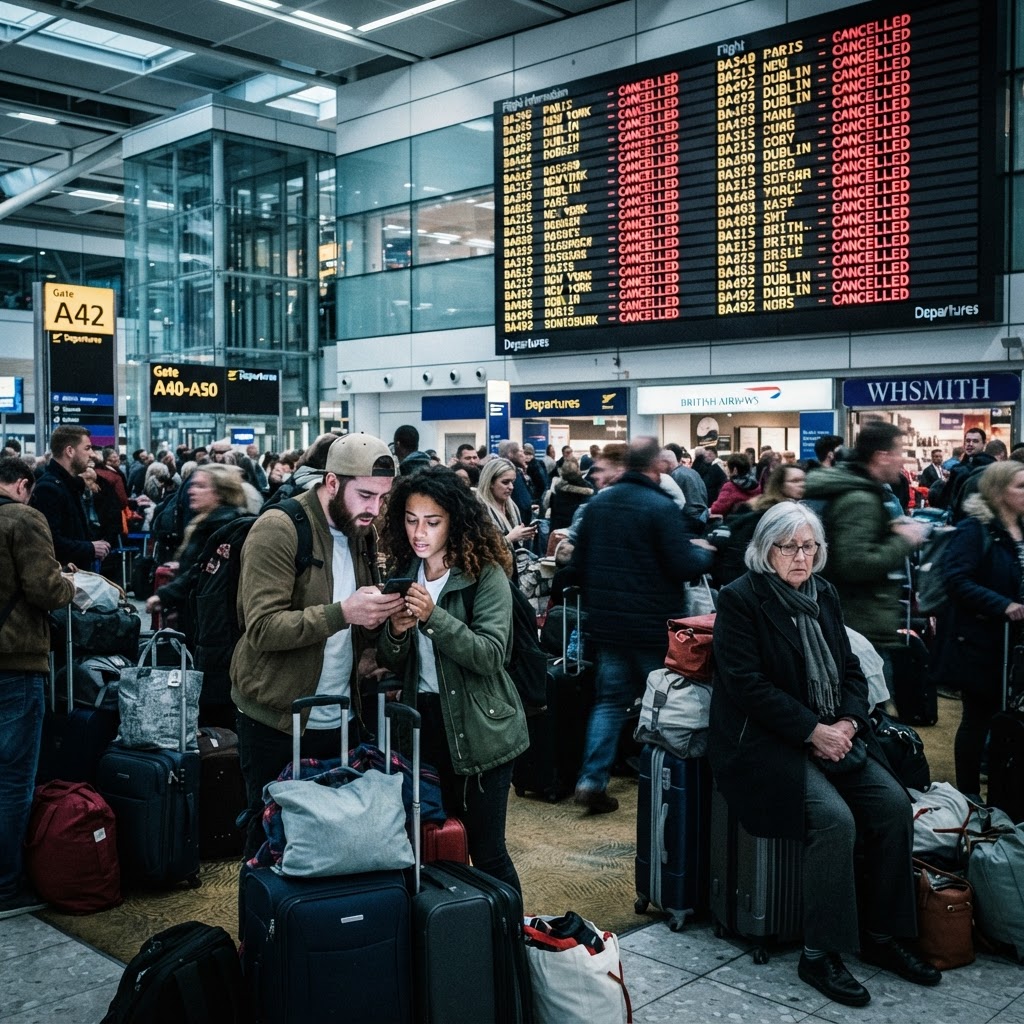
Navigating External Disruptions The year under review has been far from straightforward. The travel industry has grappled with the fallout of sustained geopolitical conflict, the tangible impact of climate-related disruptions, and the implementation of more stringent, digitised border processes. Yet, the demand remains robust. Industry analysts suggest that the British consumer has become adept at 'risk-mitigation travel', prioritising package deals and professional oversight through licensed travel agents to insulate themselves from the vagaries of an unpredictable world. This trend indicates a market that is not only eager to travel but increasingly sophisticated in its risk assessment.
Looking Ahead: The Road to Montenegro As the industry looks toward the next calendar year, the focus shifts to the upcoming 2027 Travel Convention, which ABTA has confirmed will be hosted in Montenegro. This choice of destination signals a growing interest in the Western Balkans as a viable, high-value alternative to the saturated markets of the Western Mediterranean. Montenegro’s emergence as a premier host reflects a broader industry movement toward destinations that offer both ecological integrity and a distinct cultural narrative, aligning with the desires of a post-pandemic generation that prioritises meaningful, rather than merely transactional, travel.
Ultimately, the ABTA report serves as a diagnostic tool for the state of British life. It reveals a nation that is deeply embedded in the global community, willing to embrace technological innovation, and steadfast in its commitment to the restorative power of travel. Whether driven by AI-powered search engines or the seasoned guidance of a travel advisor, the British traveller continues to defy the pessimism of the age, carving out space for exploration regardless of the obstacles that may lie across the border.