A Digital Border in Disarray For millions of British families, the dream of a seamless summer escape to the Continent has collided with the harsh reality of administrative friction. The implementation of the European Union’s new Entry/Exit System (EES) was intended to modernise border security through automated biometric checks. Instead, it has introduced a period of profound uncertainty, with processing times for UK citizens jumping from an average of seven minutes to twenty at key entry points.
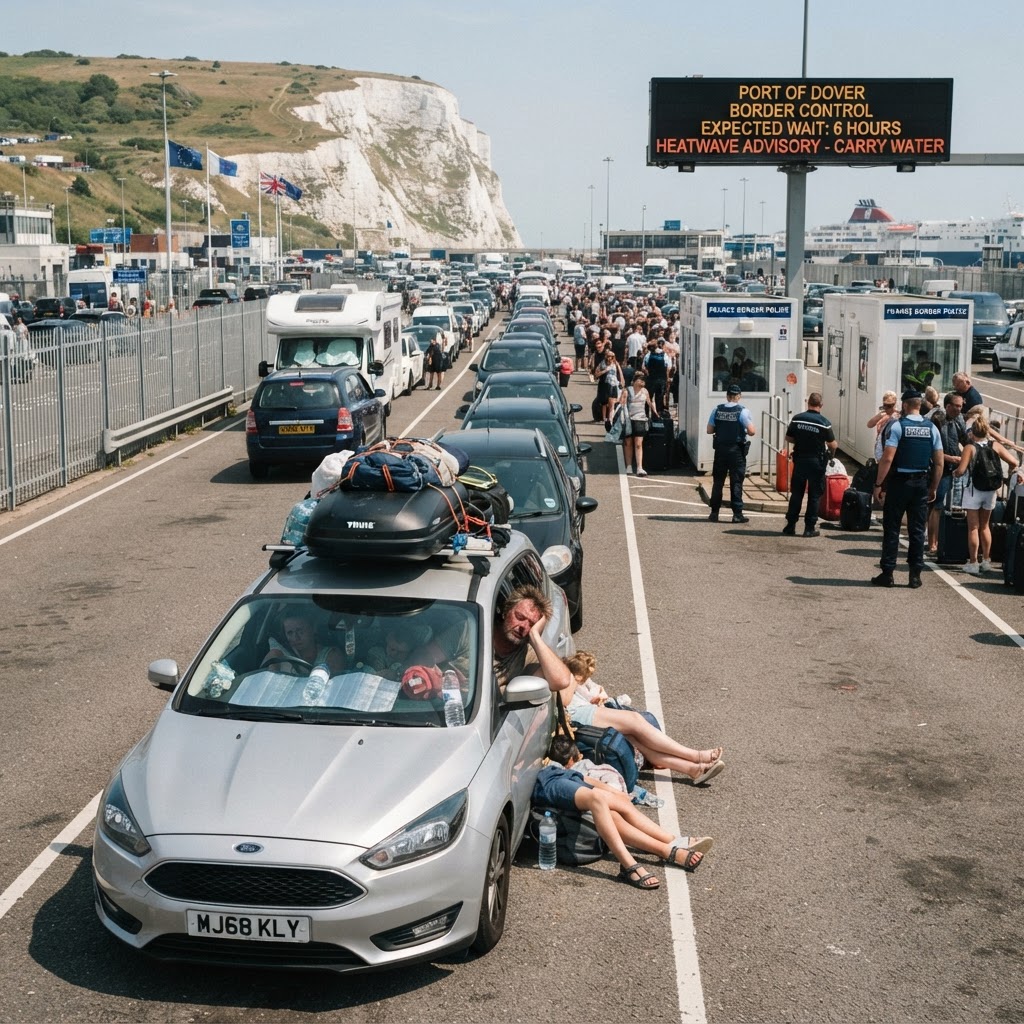
The shift represents a fundamental change in how British tourists interact with the Schengen Area. By capturing facial images and fingerprint data, the EES aims to streamline immigration, yet the transition has been marred by systemic technical failures. At the Port of Dover, where the French border police operate in a pre-clearance capacity, the automated kiosks intended to facilitate these checks have been plagued by critical software glitches. This has forced officers to return to manual logging, creating bottlenecks that ripple through the entire logistics chain.
Infrastructure Under Pressure The severity of the disruption has prompted a desperate mitigation strategy from both government and industry leaders. Recognising that the current state of affairs could lead to unprecedented congestion, the Port of Dover and the Eurotunnel operators have taken the significant decision to defer full biometric registration for car passengers until after the peak summer window. This tactical retreat is designed to stave off a projected 14-hour gridlock that would have effectively severed the primary artery between the UK and France.
The UK government has also stepped in, pledging £20 million in emergency funding to install additional border booths at Dover. While ministers describe this as a vital infrastructure injection, critics argue that the capital investment is a reaction to a foreseeable administrative crisis rather than a proactive measure. The funding will undoubtedly alleviate some of the pressure, but it does little to solve the core issue of software latency that is currently throttling throughput at European terminals.
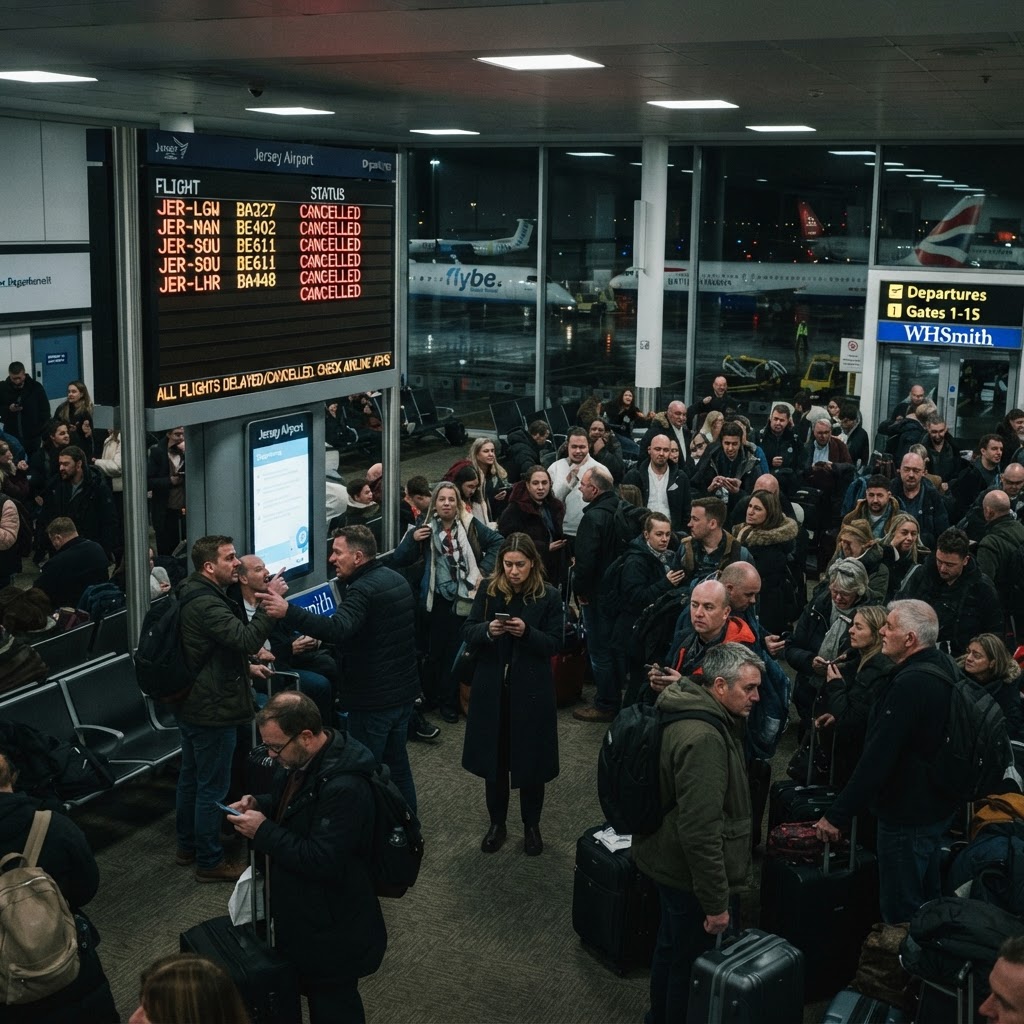
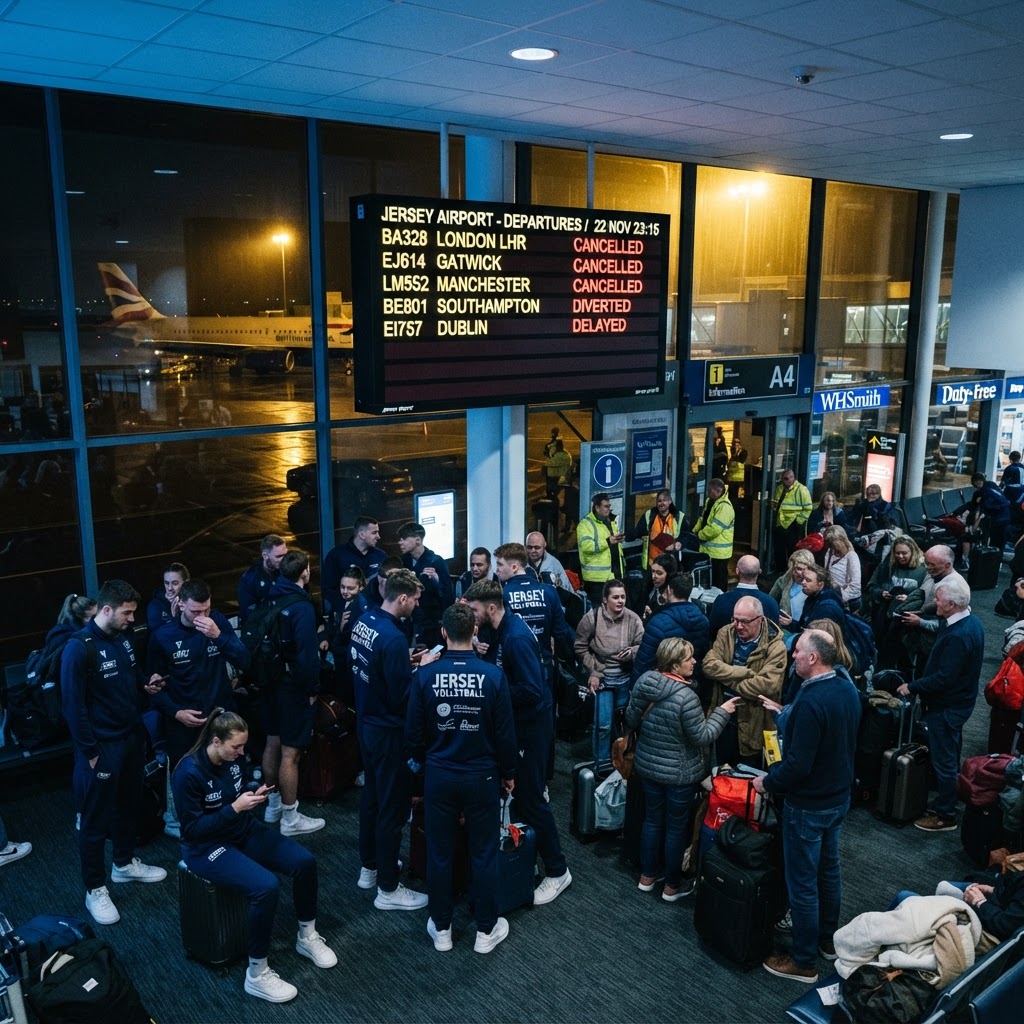
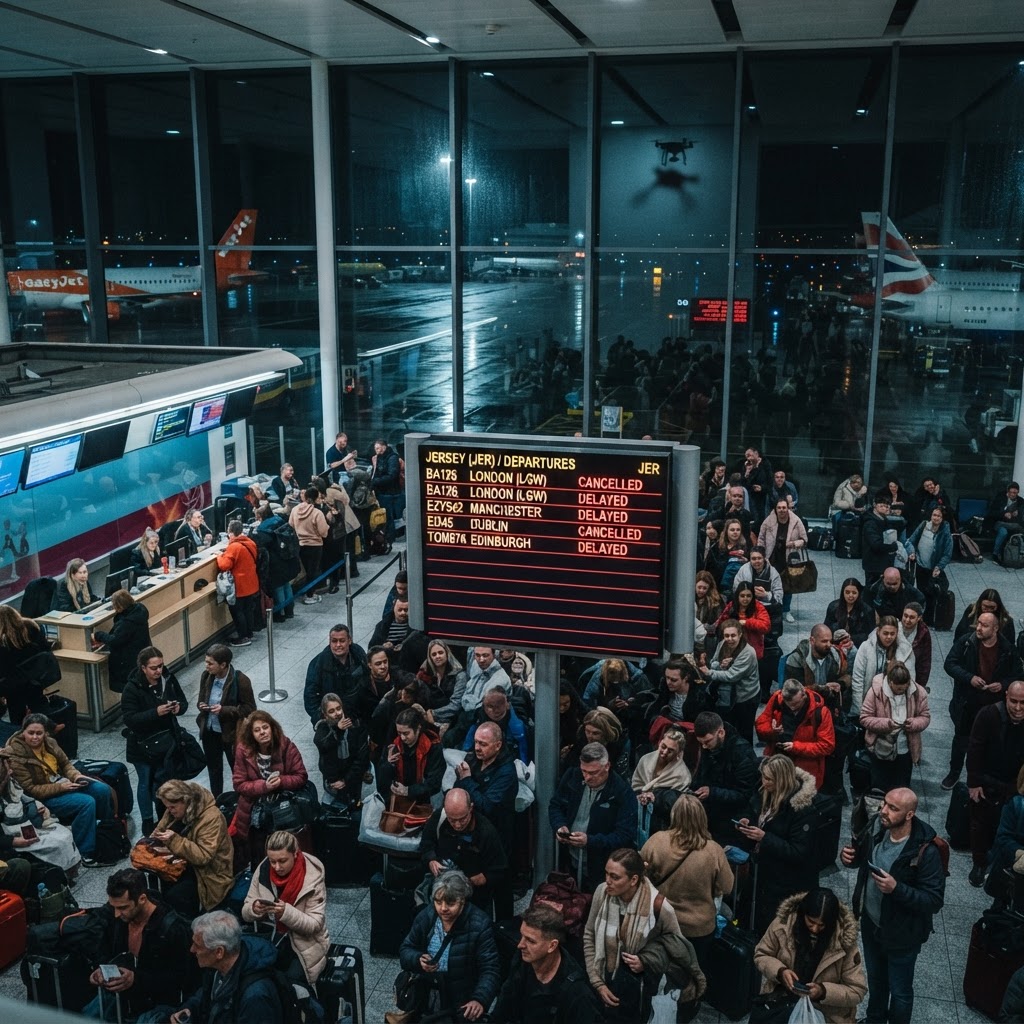
The Shadow of Prolonged Delays The International Air Transport Association (IATA) has adopted a notably pessimistic outlook, warning that terminal queues for air travellers could reach six hours during the busiest weekends of July and August. Such delays would represent a total failure of service levels, particularly for those flying from regional hubs where terminal capacity is already strained by a record volume of passengers.
Industry experts suggest that the fundamental design flaw lies in the lack of a pre-registration mobile application for non-EU travellers, which would have allowed for data collection prior to arrival at the border. Without this, every traveller must now endure a time-consuming registration process at the point of entry. For the average family of four, the cumulative wait times are no longer a minor inconvenience but a significant deterrent to travel, threatening the economic stability of cross-channel tourism operators who rely heavily on British patronage.
“The transition to a digital border was meant to represent a step toward modernisation, but for the millions currently stuck in queues, it feels more like a return to the administrative inefficiencies of a bygone era.”