A crisis in the clouds The aviation sector faces a reckoning this week as Ryanair, Europe's largest budget carrier, confirmed the cancellation of 1,000 flights following what the airline has candidly described as an operational collapse. The scale of the disruption, which became apparent on October 16, 2026, has sent shockwaves through the UK travel industry, leaving tens of thousands of holidaymakers and business travellers in limbo as they attempt to navigate the fallout from a failure that appears to be systemic rather than isolated.
For the budget airline, which prides itself on aggressive efficiency and rapid turnaround times, the admission of a collapse in operations represents a significant blow to its reputation for reliability. While Ryanair has frequently weathered controversy regarding its pricing models and baggage fees, this current logistical breakdown threatens the very foundation of its business model. Industry analysts suggest that the cancellations, which span several days of operations, were necessitated by a cascade of failures in crewing, ground handling, and air traffic control integration.
The anatomy of the disruption The origins of the current predicament are complex. Sources within the industry point to a perfect storm of staffing shortages and an over-reliance on lean operations that left the airline with zero margin for error when faced with minor technical delays. The ripple effect was swift. Once the initial delays pushed flight crews past their legally mandated duty hours, the lack of standby personnel meant that aircraft remained grounded at hubs across Europe and the United Kingdom, rendering a substantial portion of the flight schedule unviable.
The announcement follows a period of heightened sensitivity in the travel sector, particularly concerning the government’s updated guidance for UK travellers. With Whitehall continuing to monitor the stability of national infrastructure, the inability of a major carrier to maintain its advertised schedule has brought the issue of passenger rights and airline liability back to the forefront of the political agenda.
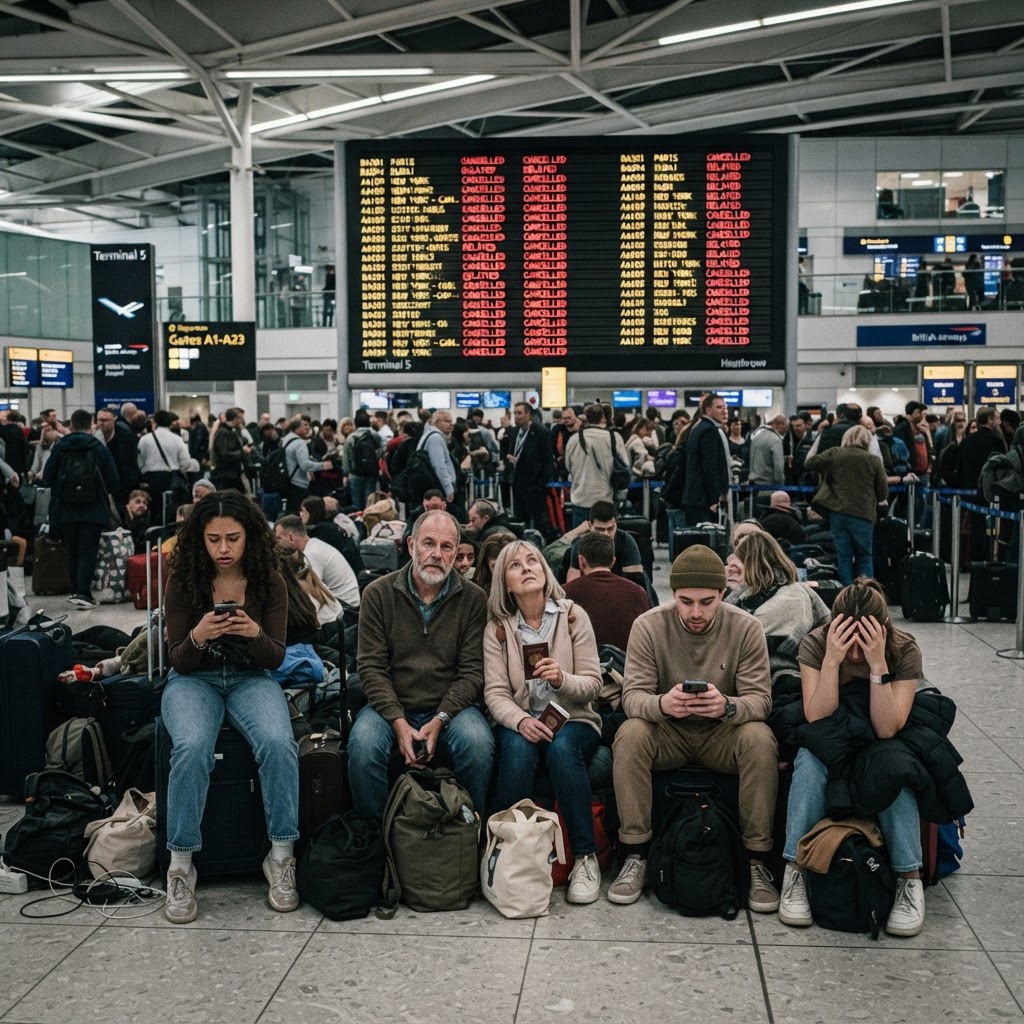
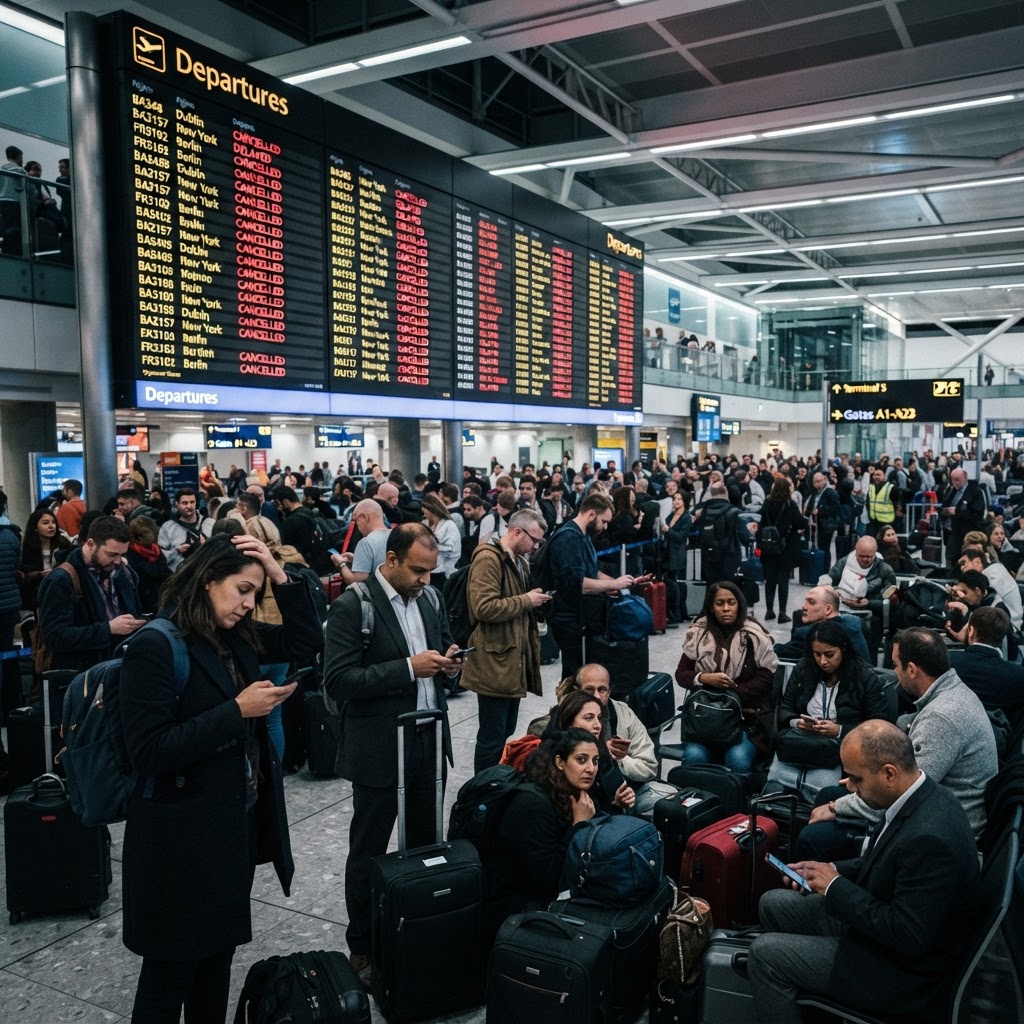
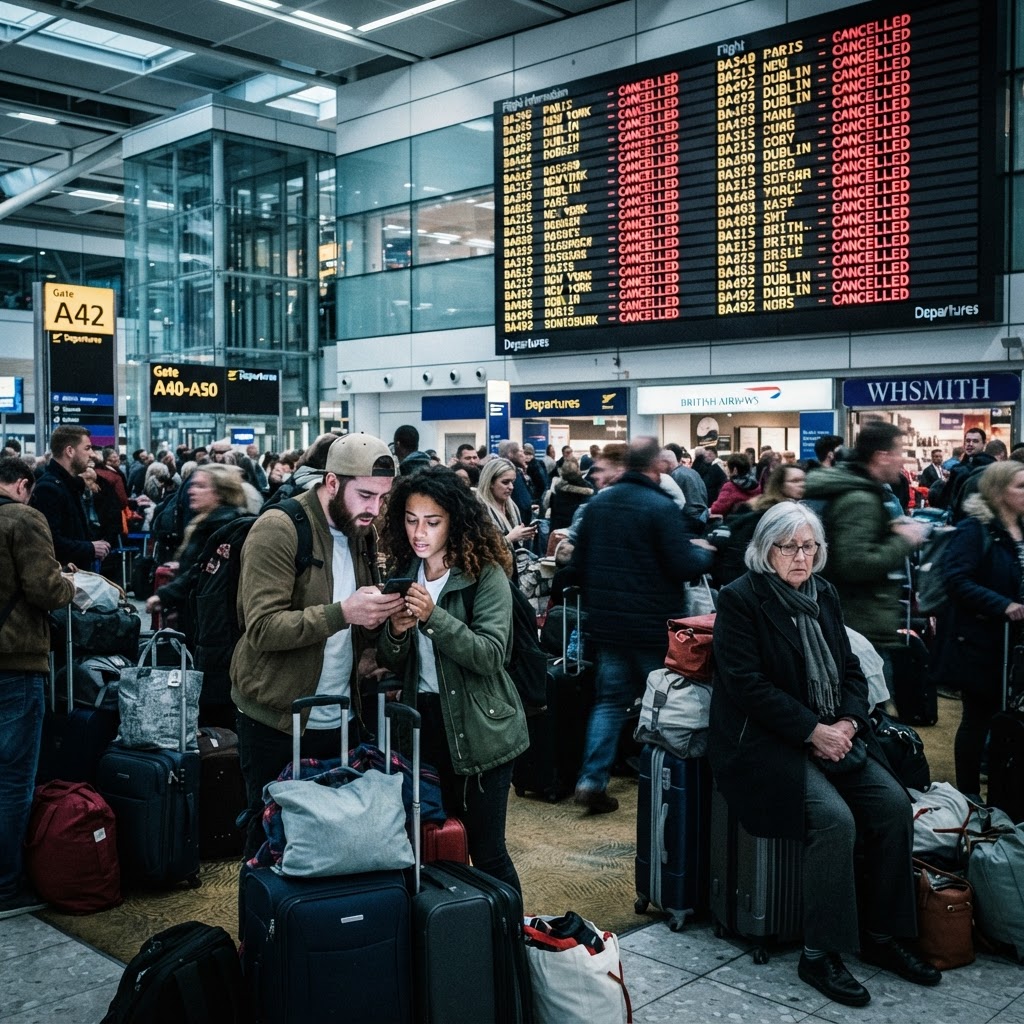
The passenger experience For those affected, the reality has been one of mounting frustration. Airports such as London Stansted, a core hub for the airline, saw scenes of congestion on Friday morning as passengers sought clarity on rerouting options. Under the current UK Civil Aviation Authority guidelines, passengers are entitled to rebooking or a full refund, alongside specific compensations for delays. However, the sheer volume of cancellations has overwhelmed the airline's automated customer service channels, leaving many travellers to source their own transport at significant personal expense.
Aviation expert Julian Thorne suggests that this episode is symptomatic of a broader malaise within the low-cost carrier market. The pressure to maintain low margins necessitates a high-utilisation strategy that is inherently fragile. When one link in the chain breaks, the resulting systemic collapse is almost inevitable. The question now for regulators is whether such airlines have sufficient contingency plans to handle peak demand periods or if the public interest is being compromised by the pursuit of thin-margin efficiency.
“The pressure to maintain low margins necessitates a high-utilisation strategy that is inherently fragile. When one link in the chain breaks, the resulting systemic collapse is almost inevitable.”