Thousands of British holidaymakers face severe disruption as industrial action hits five key hubs during the peak Assumption Day weekend. Airlines and unions remain deadlocked over persistent concerns regarding staff rostering and work-life balance.
A Peak Season Paralysis
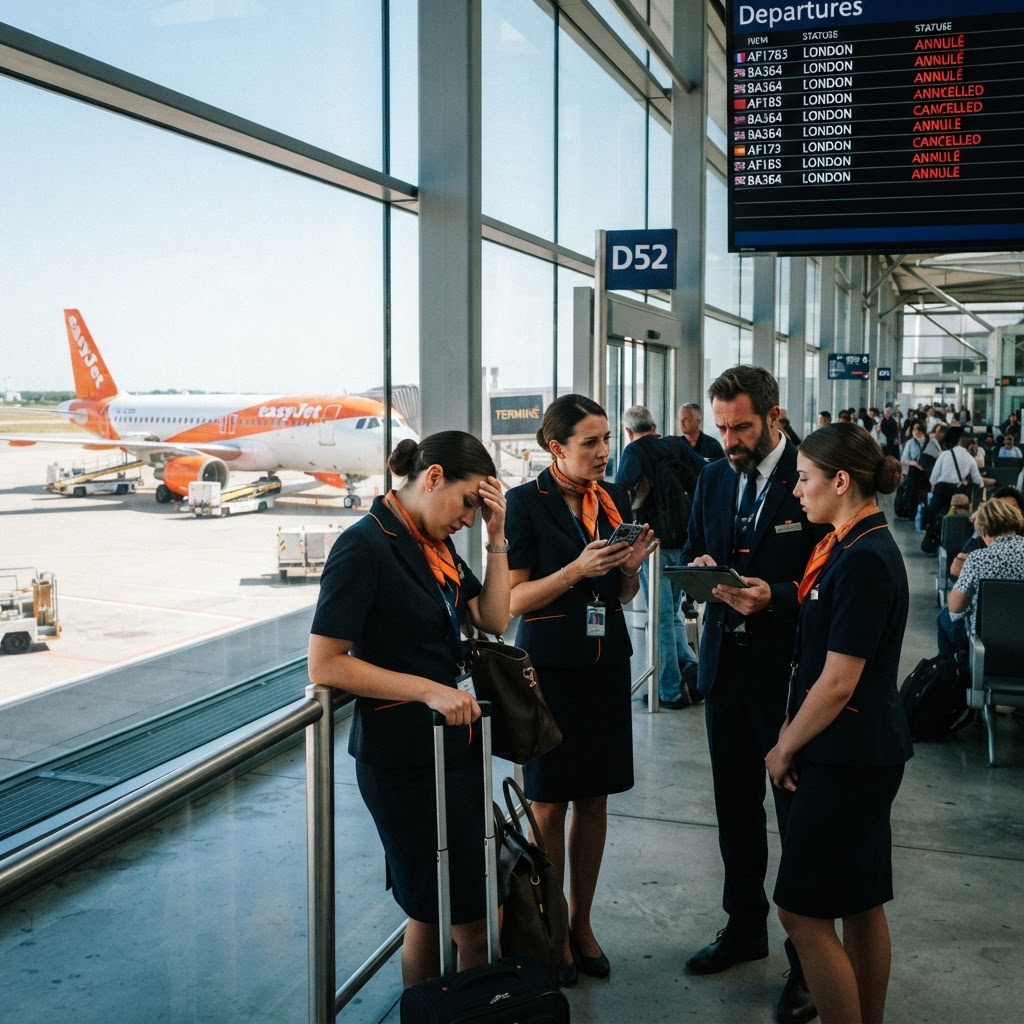
For thousands of British families, the long-awaited summer getaway turned into a logistical ordeal this Saturday morning as a 48-hour strike by EasyJet cabin crew based in France took full effect. The walkout, orchestrated by three of the country’s most influential aviation unions—UNAC-CFE-CGC, SNPNC-FO, and UNPNC-CFDT—has crippled operations across five critical transport hubs: Paris Charles de Gaulle, Paris Orly, Nice, Bordeaux, and Lyon. The industrial action, which is set to span the entirety of the weekend of August 15 and 16, comes at a particularly sensitive moment as France observes the Assumption Day public holiday, a period that historically registers the highest volume of domestic and international transit.
The Anatomy of the Dispute
The grievances underpinning this dispute are deeply rooted in what employees describe as a deteriorating operational environment. Aviation analysts suggest that while passengers often focus on the inconvenience of delays, the workforce is suffering from the cumulative effects of aggressive scheduling. The unions have cited 'chronic schedule instability' and increasingly burdensome rotations as the primary catalysts for the walkout. The practice of implementing last-minute roster changes, which allegedly leaves crew members with insufficient recovery time, has become a flashpoint for broader tensions within the French aviation sector.
A Wider European Trend
This development is not an isolated incident but rather indicative of a broader trend of industrial unrest currently sweeping across European transport networks. Post-pandemic recovery has placed immense pressure on airlines to return to 2019 capacity levels, often at the expense of staff retention and wellbeing. In the United Kingdom, industry experts have long warned that the tension between aggressive fleet utilisation and labour capacity was reaching a breaking point. Travel consultant Julian Thorne noted that the timing of this strike is a strategic choice, designed to maximise leverage when the airline industry is at its most vulnerable. For the British traveller, this underscores the fragility of the post-Brexit travel landscape, where reliance on continental staff and regulatory frameworks can shift without warning.
Corporate Response and Passenger Fallout
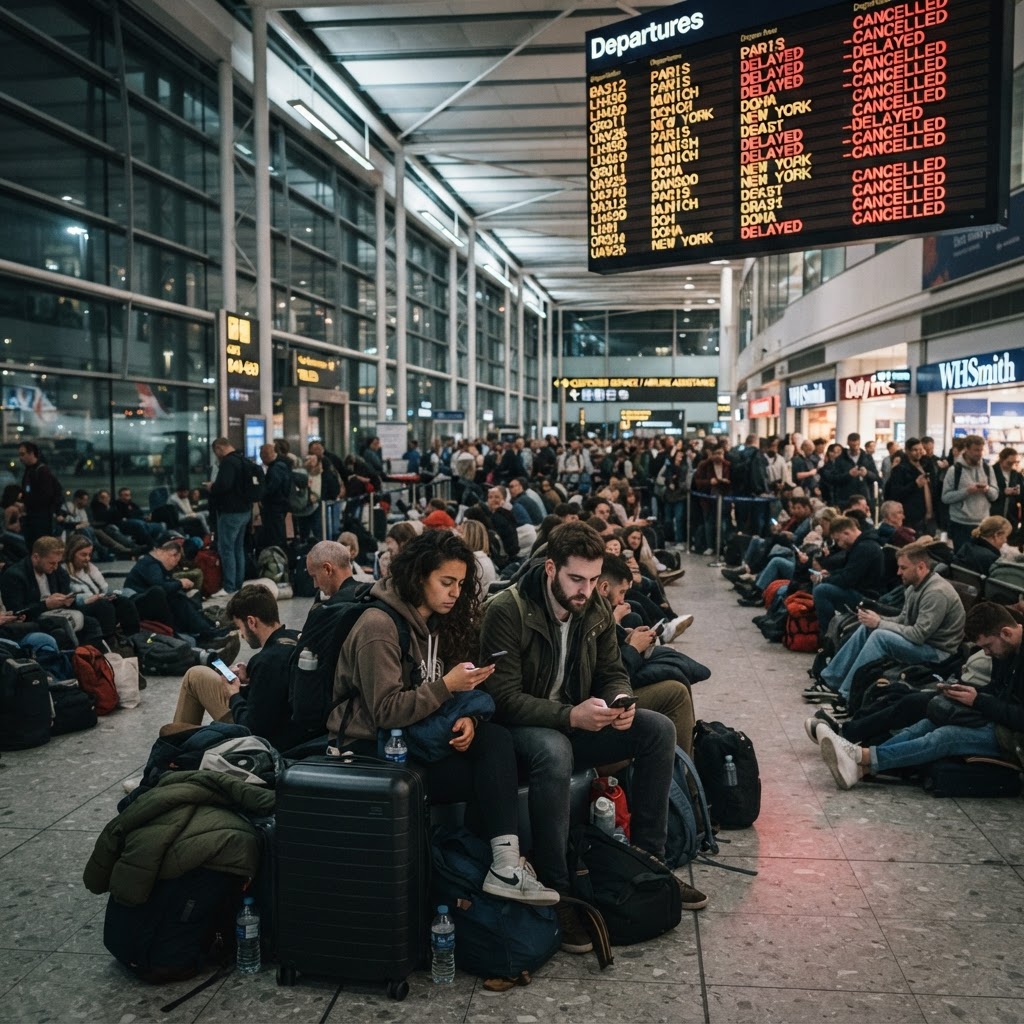
In a statement released late on Friday, EasyJet expressed 'extreme disappointment' regarding the decision to strike during one of the most lucrative and high-traffic weekends of the calendar year. The carrier has scrambled to deploy contingency measures, offering affected passengers the choice of free flight transfers to alternative dates or full refunds. However, these administrative solutions provide cold comfort for those who find themselves stranded in terminal departure lounges, or who have seen their hotel bookings expire while waiting for news on rescheduled departures. The airline is currently advising all passengers to consult their flight status portal with rigorous frequency before making the journey to the airport, a task that many are finding difficult as the digital systems struggle under the weight of thousands of simultaneous enquiries.
The Burden of Assumption Day
The complication is further compounded by the national context of the Assumption Day holiday. France is effectively at a standstill, with rail networks already operating under heavy strain and domestic road arteries reaching peak capacity. For many British tourists, the lack of viable alternatives—be it cross-channel rail or remaining domestic flight routes—means that the dream of a swift coastal holiday has been replaced by the reality of an expensive, prolonged stay in a hotel near a restricted airport. As negotiations between the unions and the EasyJet management team remain stalled, the prospects for a swift resolution appear increasingly slim. For the travel industry, this weekend serves as a stark reminder of how thin the margins of modern aviation truly are, and how quickly the equilibrium of European travel can be dismantled by the frustrations of those tasked with keeping it in the air.