
National Post UK
Aviation Paralysis: UK Skies Grounded as NATS Systems Collapse

The integrity of British aviation infrastructure has been called into serious question following a catastrophic failure

The National Post

HomeTravel
Travel

Aviation Paralysis: UK Skies Grounded as NATS Systems Collapse

The integrity of British aviation infrastructure has been called into serious question following a catastrophic failure at National Air Traffic Services. With thousands stranded across the country, political pressure is mounting for a total overhaul of the nation's ageing flight management architecture.

NF

Natalie Forsythe

Travel Editor

Published 13 September 2026·about 1 month ago 3 min read
Text
Share

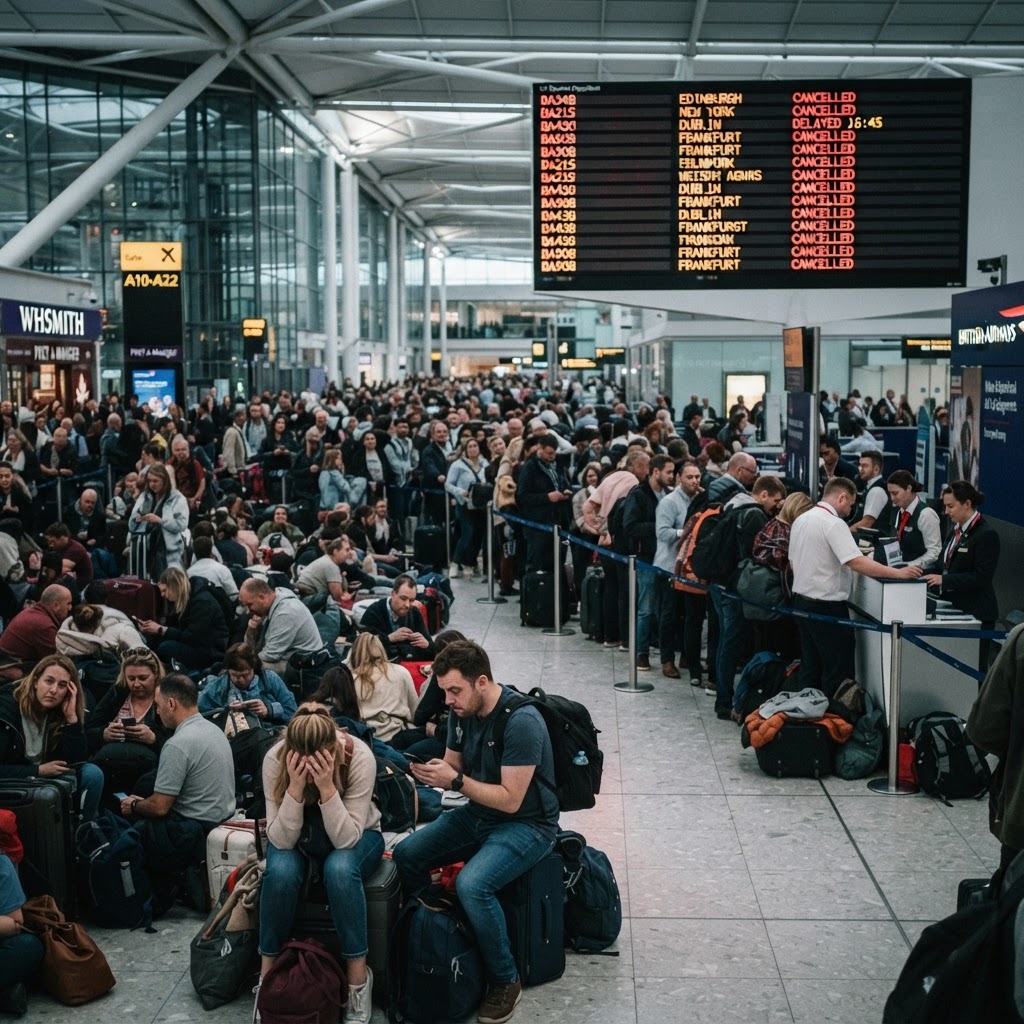
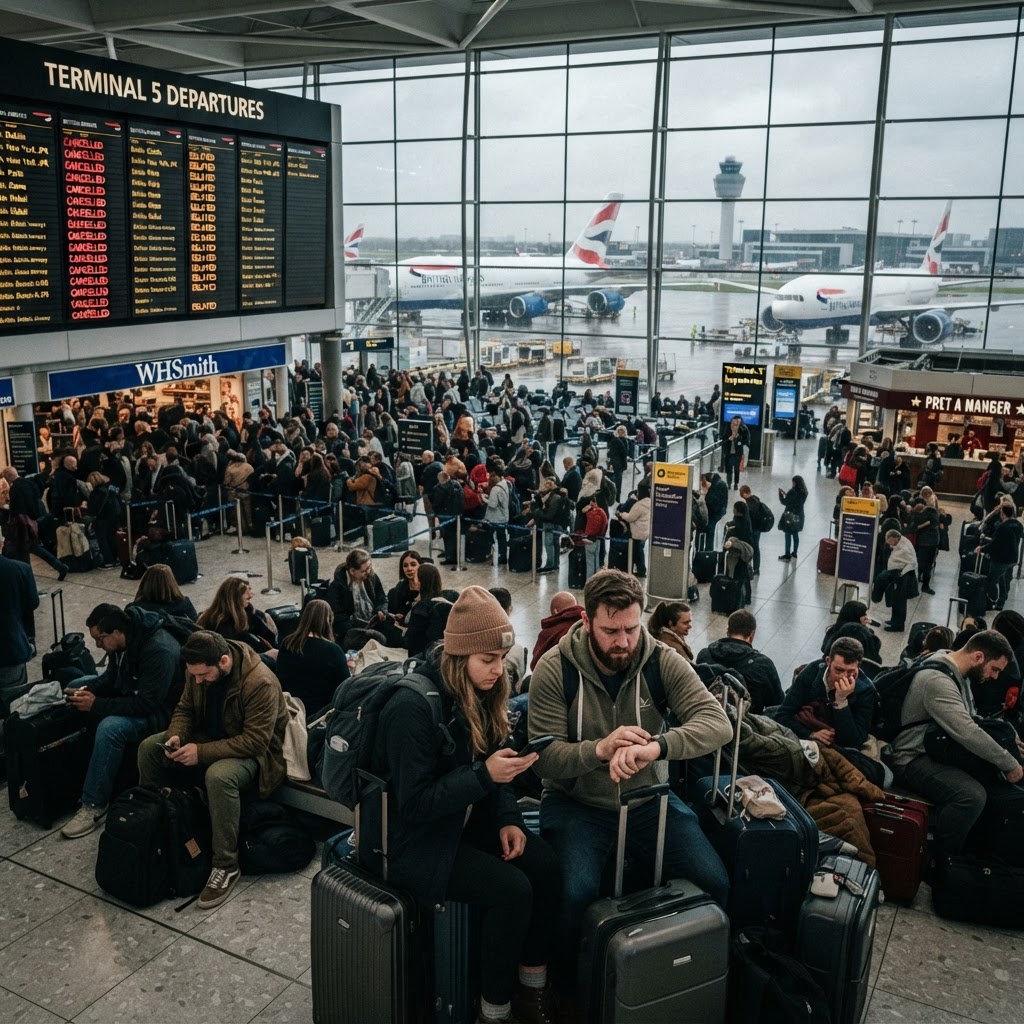
The Anatomy of an Industry-Wide Crisis The British aviation network remains in a state of precarious recovery today following a systemic failure within the National Air Traffic Services (NATS) processing infrastructure. The outage, which occurred on Monday, triggered an immediate and total suspension of flight plans across the United Kingdom, leaving tens of thousands of passengers stranded in departure lounges from Heathrow to Manchester. While engineers have since restored the primary flight data systems, the 'knock-on' effects continue to propagate through a global schedule that relies on the precise, minute-by-minute synchronisation of aircraft and personnel.

Operational Chaos at Key Hubs For those travelling through the UK’s primary gateways, the scenes were reminiscent of the most disruptive periods of the pandemic. British Airways, struggling to reconcile a scrambled schedule, was forced to cancel or divert over one hundred flights, leaving scores of international travellers without connection options. Ryanair, the continent’s largest carrier, bore a particularly heavy burden, reporting that approximately 65,000 passengers were delayed or redirected as aircraft became logistically stranded at secondary airfields. At Gatwick and Stansted, the accumulation of displaced crews meant that even as the technical systems flickered back to life, the operational capacity of the airlines remained severely throttled.

A Fractured Relationship The fallout has crystallised a simmering resentment between commercial airlines and the government-mandated air traffic controller. Airline executives, already frustrated by post-pandemic staff shortages, have launched an unprecedented assault on the management of NATS. Representatives from Wizz Air and Ryanair have been particularly vocal, with senior figures calling for the immediate resignation of the NATS executive board, citing a failure of duty in maintaining national critical infrastructure. This chorus of disapproval represents a significant shift in the aviation sector, moving from routine procedural gripes to a fundamental lack of trust in the safety and resilience of the UK’s airspace management.

The Political Reckoning In response to the mounting public anger, Transport Secretary Heidi Alexander summoned NATS Chief Executive Martin Rolfe to Whitehall for an urgent debriefing. Mr Rolfe, whilst offering a formal apology to the travelling public, maintained that the underlying architecture of the system remains robust. However, this assertion is meeting with significant scepticism from industry analysts who argue that the frequency of such 'glitches' indicates a systemic decay. The Transport Secretary is now under intense pressure to commission an independent inquiry into whether the current model of air traffic management, heavily reliant on legacy software, is equipped to handle the demands of modern, high-density air travel.

The Long Tail of Disruption Aviation experts warn that the true cost of this outage will not be realised for several days. Even when the technical error is resolved, the challenge of repositioning aircraft and adhering to strict crew duty hour limits means that delays will likely persist well into the weekend. As passengers remain displaced across Europe, the incident serves as a stark reminder of the fragility of the UK's transit hubs. Without urgent investment in modernisation, the industry faces an increasingly uncertain future, where a single lines-of-code failure can effectively bring an entire nation to a standstill.

TopicsAviationNATSTransportTravelHeathrowUK News
Share

About the Author

NF

Natalie Forsythe

Travel Editor

Natalie Forsythe reports for National Post UK with a focus on rigorous analysis and authoritative journalism — a trusted voice across British public life.

Reader Discussion · 6

Subscribers can join the conversation.

SUBSCRIBE TO COMMENT →
G
Gemma Richards13 Sept

The ripple effect from this will be felt for days. Even once they fix the software, the logistics of rebooking thousands of passengers will be a nightmare for the airlines.

D
David Stirling13 Sept

I worked in air traffic control for years and these incidents are incredibly rare. It is easy to point fingers, but the staff on the ground are likely working under immense pressure to fix a very complex technical fault.

E
Eleanor Rigby13 Sept

I have a holiday booked for next week and I am now feeling incredibly anxious about whether we will actually make it off the ground. How can a national system have such a single point of failure?

M
Mark Thompson13 Sept

This is exactly why we need to be investing more in our national infrastructure. We cannot rely on systems that are clearly past their operational prime.

S
Sarah Jenkins13 Sept

While it is frustrating, people need to remember that safety must come first. If the systems aren't functioning correctly, grounding the flights is the only responsible decision.

A
Arthur Penhaligon13 Sept

Absolutely shambolic scenes at Heathrow today. My daughter has been stuck in the terminal for over ten hours without so much as a voucher for a sandwich.
More from Travel

Most Read in Travel

Morning Briefing

The day's top stories, before 7am

Join 40,000 readers who start their morning with National Post UK.