Aviation Paralysis: UK Skies Face Prolonged Grounding Following Nats Systems Collapse
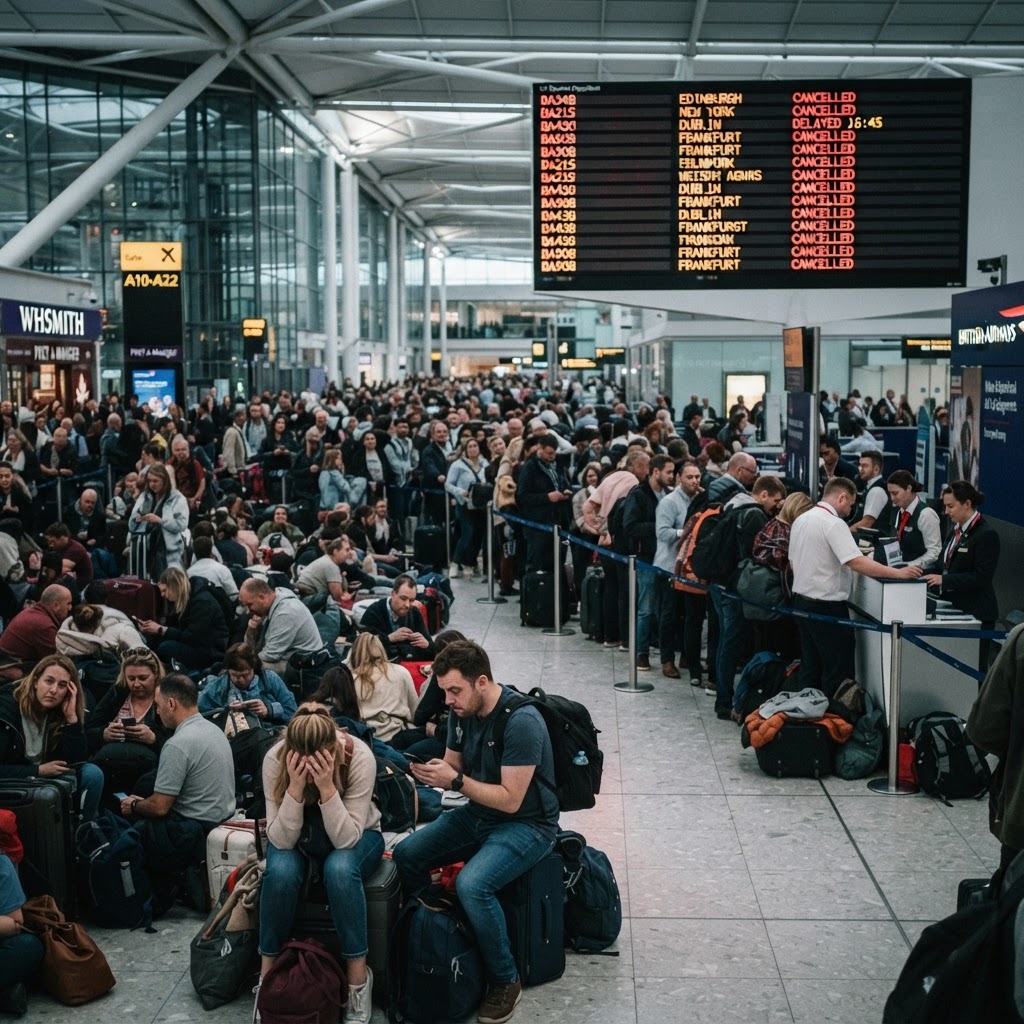
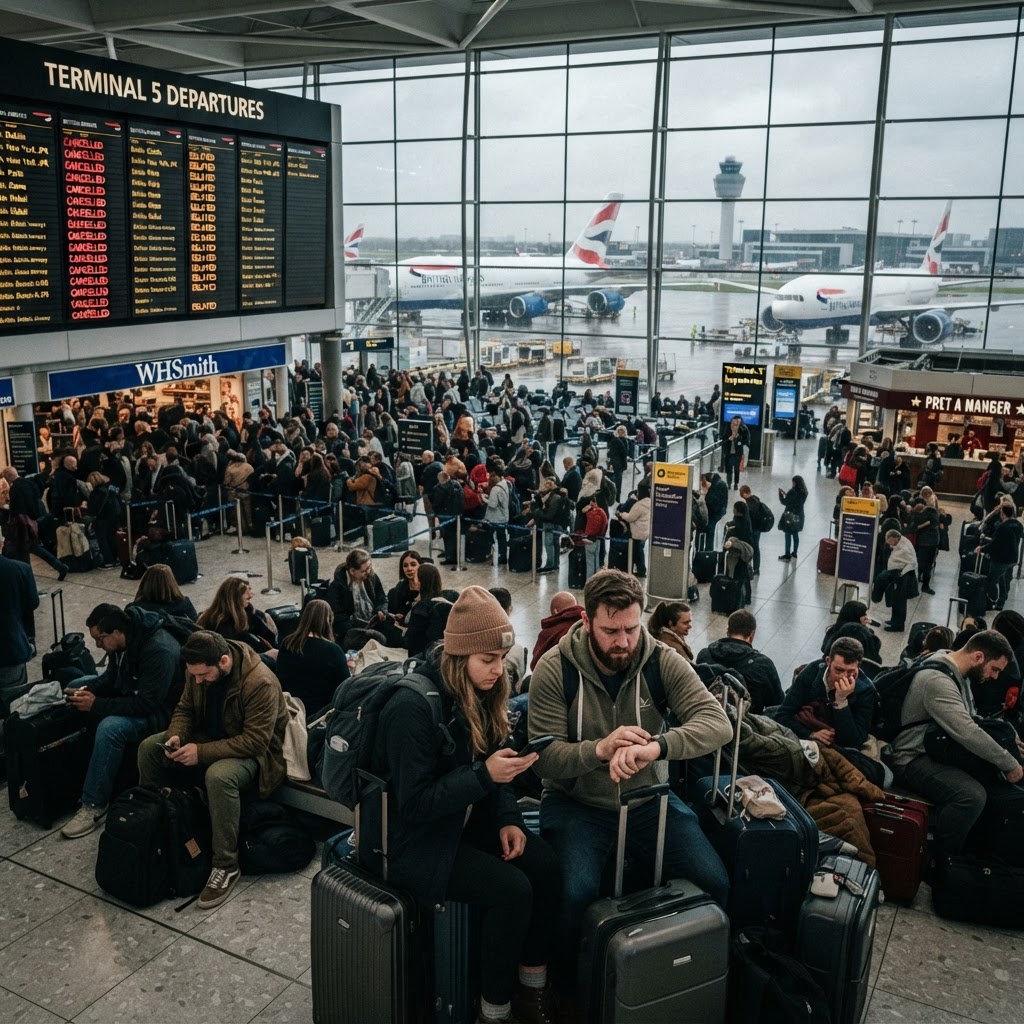
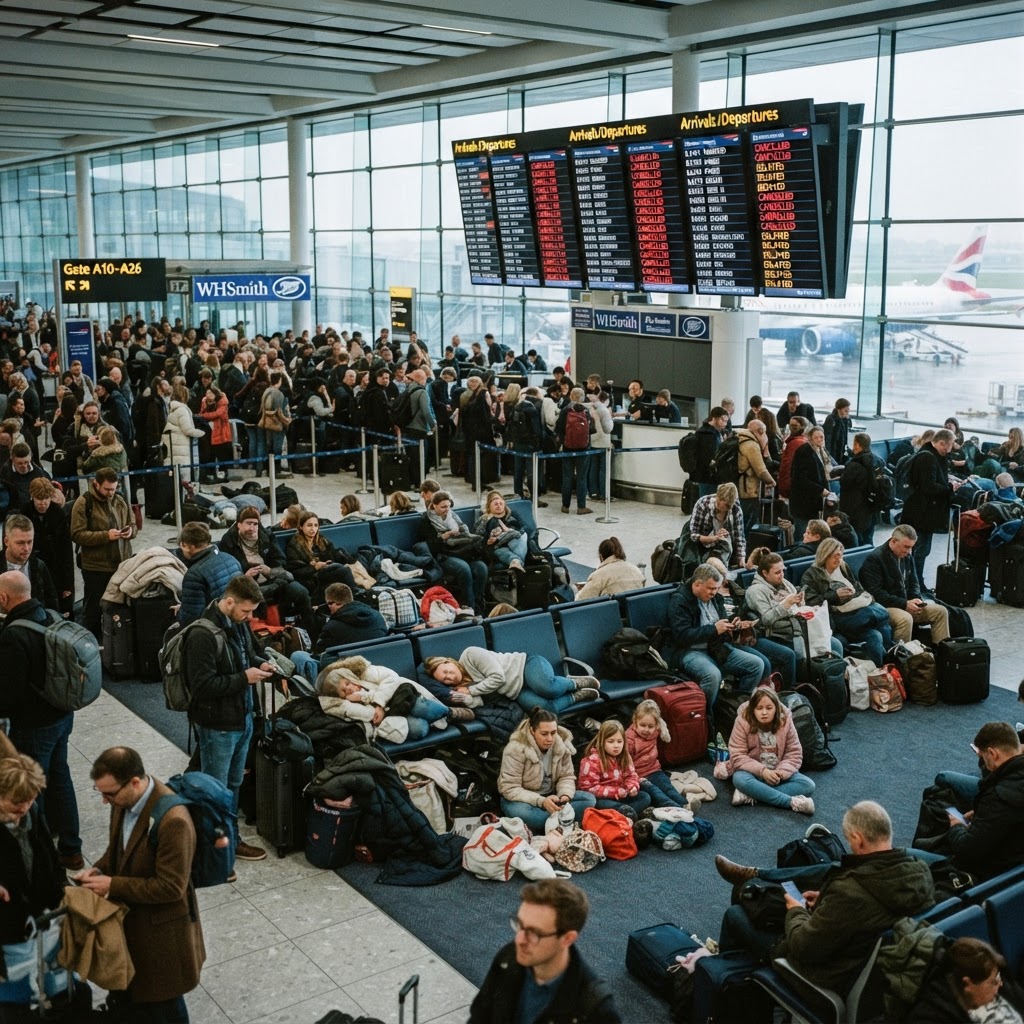
Tens of thousands of travellers remain stranded as the ripple effects of a catastrophic flight processing outage continue to disrupt major hubs. With airlines expressing profound frustration and ministers demanding answers, the reliability of Britain's airspace management is under intense scrutiny.
GW
Georgia Webb
Travel Editor
Published 12 September 2026·about 1 month ago 3 min read
Text
TopicsAviationNatsTravelUK TransportHeathrowGatwickHeidi AlexanderFlight Delays
About the Author
GW
Georgia Webb
Travel Editor
Georgia Webb reports for National Post UK with a focus on rigorous analysis and authoritative journalism — a trusted voice across British public life.
Reader Discussion · 6
Subscribers can join the conversation.
SUBSCRIBE TO COMMENT →E
Elena Griffiths12 Sept
We definitely need an independent inquiry into how this was allowed to happen. It feels like our national infrastructure is becoming increasingly fragile.
R
Robert Banks12 Sept
I am meant to be flying out from Manchester tomorrow morning. I suppose I should just prepare for the worst based on the current reports.
M
Marcus Holloway12 Sept
This is going to have a massive knock-on effect for the economy over the next week. The compensation claims alone are going to be astronomical.
L
Linda Mercer12 Sept
It is worth remembering that safety must always be the absolute priority. I would much rather wait on the ground than risk a system glitch while in the air.
D
David Thorne12 Sept
NATS infrastructure really needs a complete overhaul. Relying on ageing systems in such a critical industry is an accident waiting to happen.
S
Sarah Jenkins12 Sept
Currently stranded at Gatwick with two young children. The lack of clear communication from the airline staff is far more frustrating than the technical failure itself.