Aviation Paralysis: The Systematic Failure Grounding Britain’s Skies
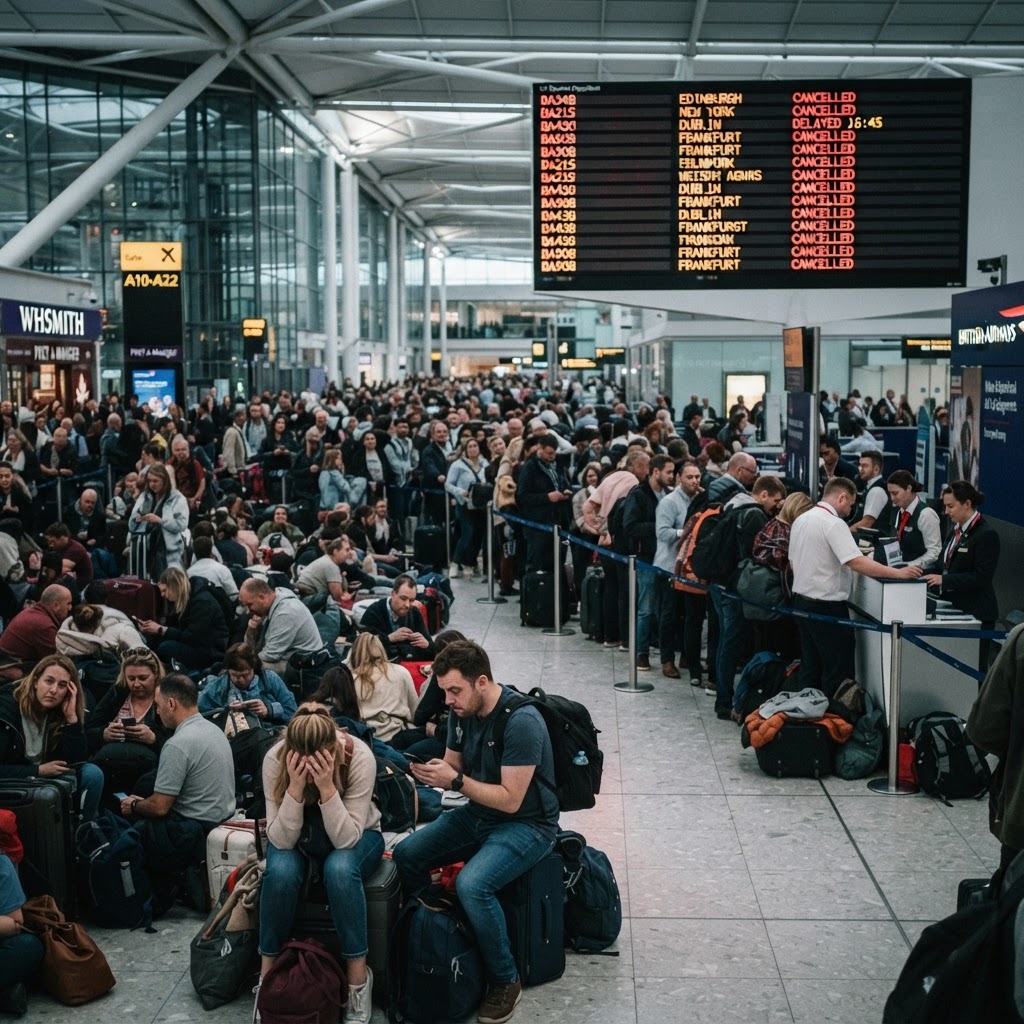
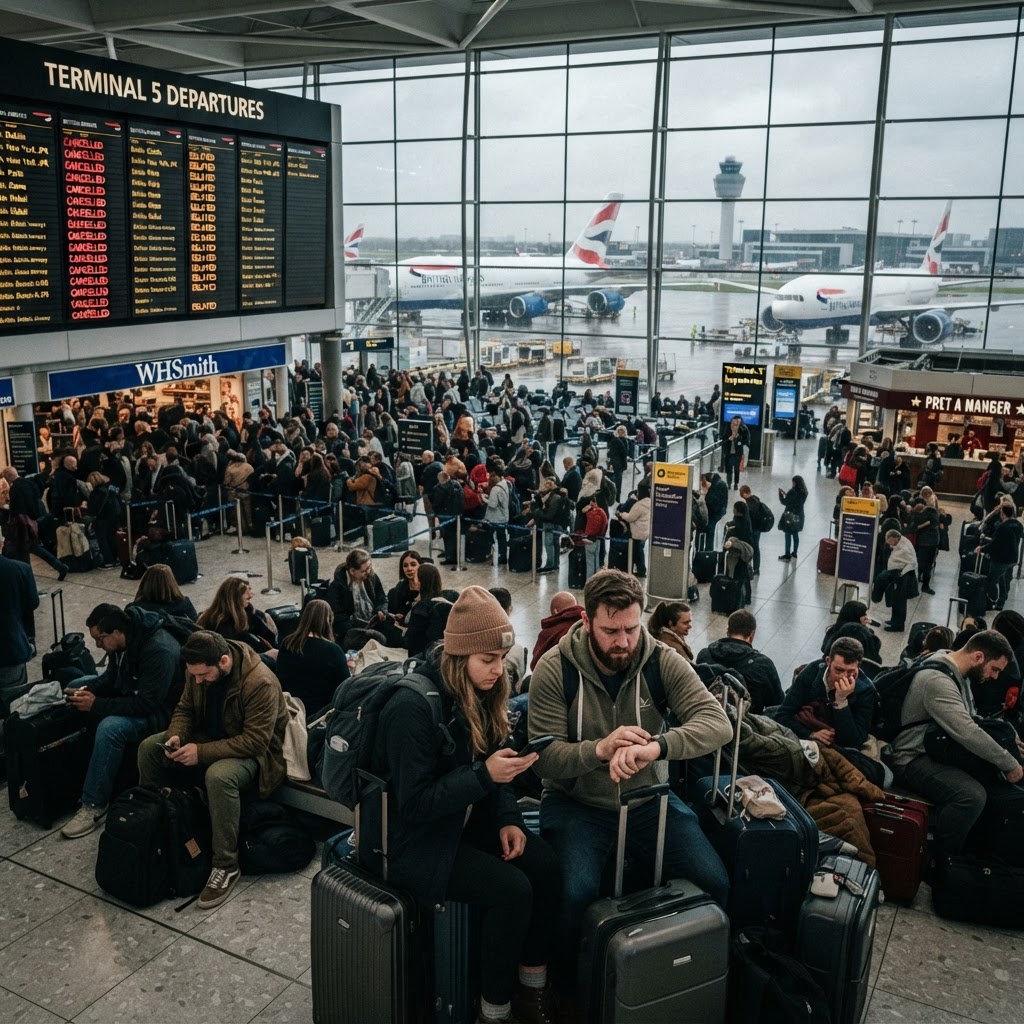
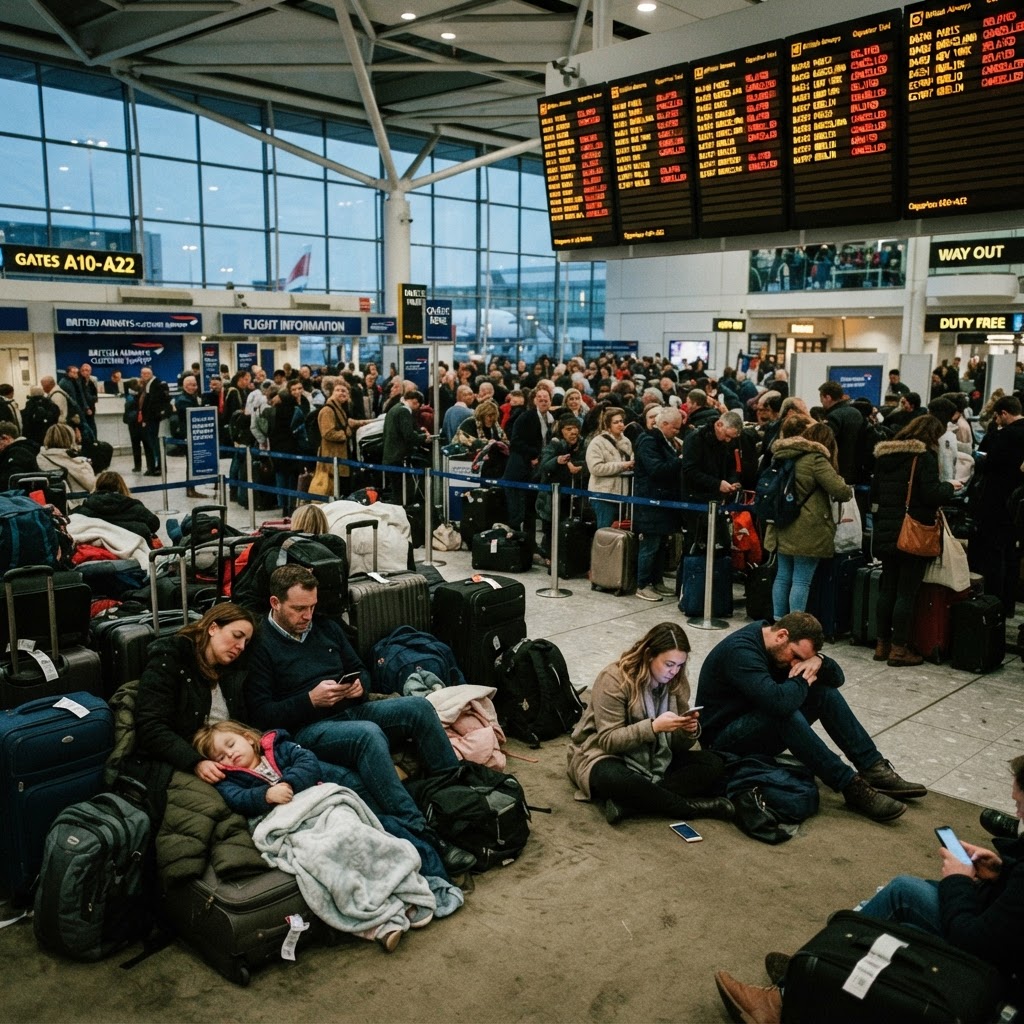
A catastrophic technical breakdown at the National Air Traffic Services has left 300,000 passengers stranded across the country. As major carriers scramble to recover, the integrity of the UK's flight management infrastructure faces unprecedented scrutiny.
GW
Georgia Webb
Travel Editor
Published 10 September 2026·about 1 month ago 3 min read
Text
TopicsAviationTravelNATSUK NewsTransportHeathrowGatwickEconomy
About the Author
GW
Georgia Webb
Travel Editor
Georgia Webb reports for National Post UK with a focus on rigorous analysis and authoritative journalism — a trusted voice across British public life.
Reader Discussion · 5
Subscribers can join the conversation.
SUBSCRIBE TO COMMENT →R
Robert Sterling10 Sept
I have been travelling for work for thirty years and I have never seen the system this fragile. It seems that whenever there is even a hint of a problem, the whole network simply collapses under its own weight.
E
Elaine Montgomery10 Sept
I agree that the situation was poorly handled, but let us be fair to the controllers on the ground who were dealing with a deluge of angry passengers. They were doing their best in an impossible situation.
D
David Thorne10 Sept
While everyone is quick to blame NATS, we must consider that these systems are incredibly complex and ageing. Perhaps it is time we stopped penny-pinching on essential national assets and invested in a proper modernisation programme.
S
Sarah Jenkins10 Sept
We spent eighteen hours sitting on the floor at Heathrow with two young children. There was no information provided by staff and absolutely zero offers of water or assistance.
A
Arthur Penhaligon10 Sept
It is absolutely disgraceful that a single software glitch can bring the entire national airspace to a standstill. The lack of redundancy in our critical infrastructure is a damning indictment of the current management.