National Post UK
Aviation Paralysis: The Lingering Aftermath of Britain’s Air Traffic System Meltdown

Thousands of passengers remain in limbo as the aviation industry grapples with the fallout of a critical NATS technical

The National Post

HomeTravel
Travel

Aviation Paralysis: The Lingering Aftermath of Britain’s Air Traffic System Meltdown

Thousands of passengers remain in limbo as the aviation industry grapples with the fallout of a critical NATS technical failure. While systems have been restored, the sector faces days of operational volatility.

GW

Georgia Webb

Travel Editor

Published 5 October 2026·8 days ago 3 min read
Text
Share

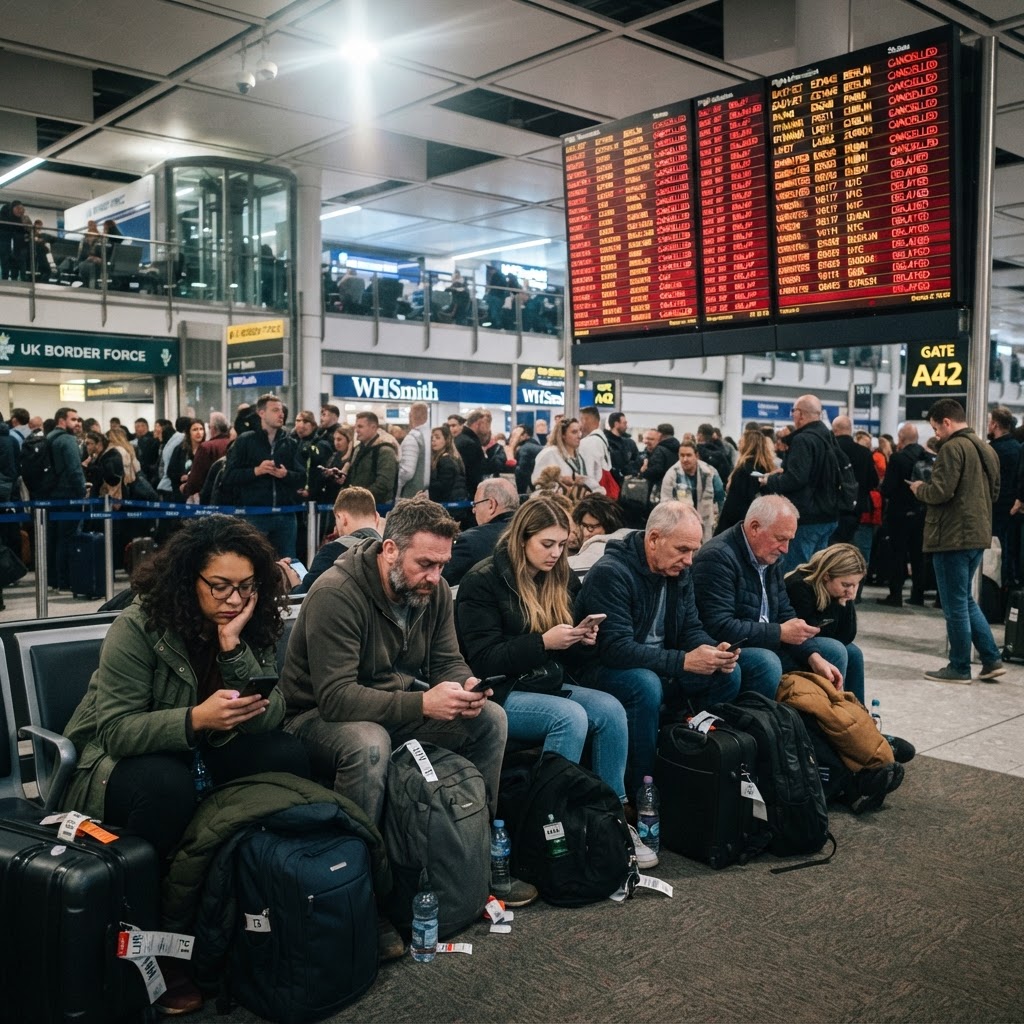
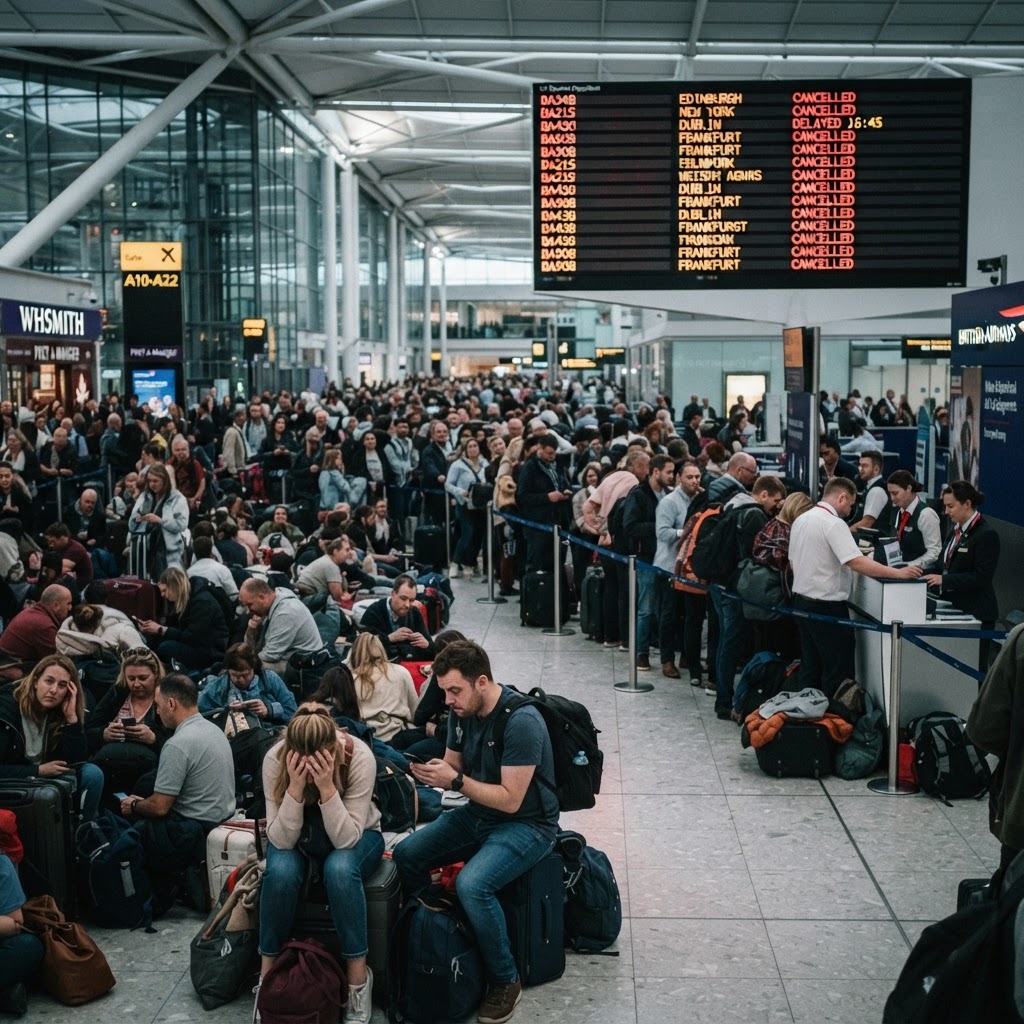
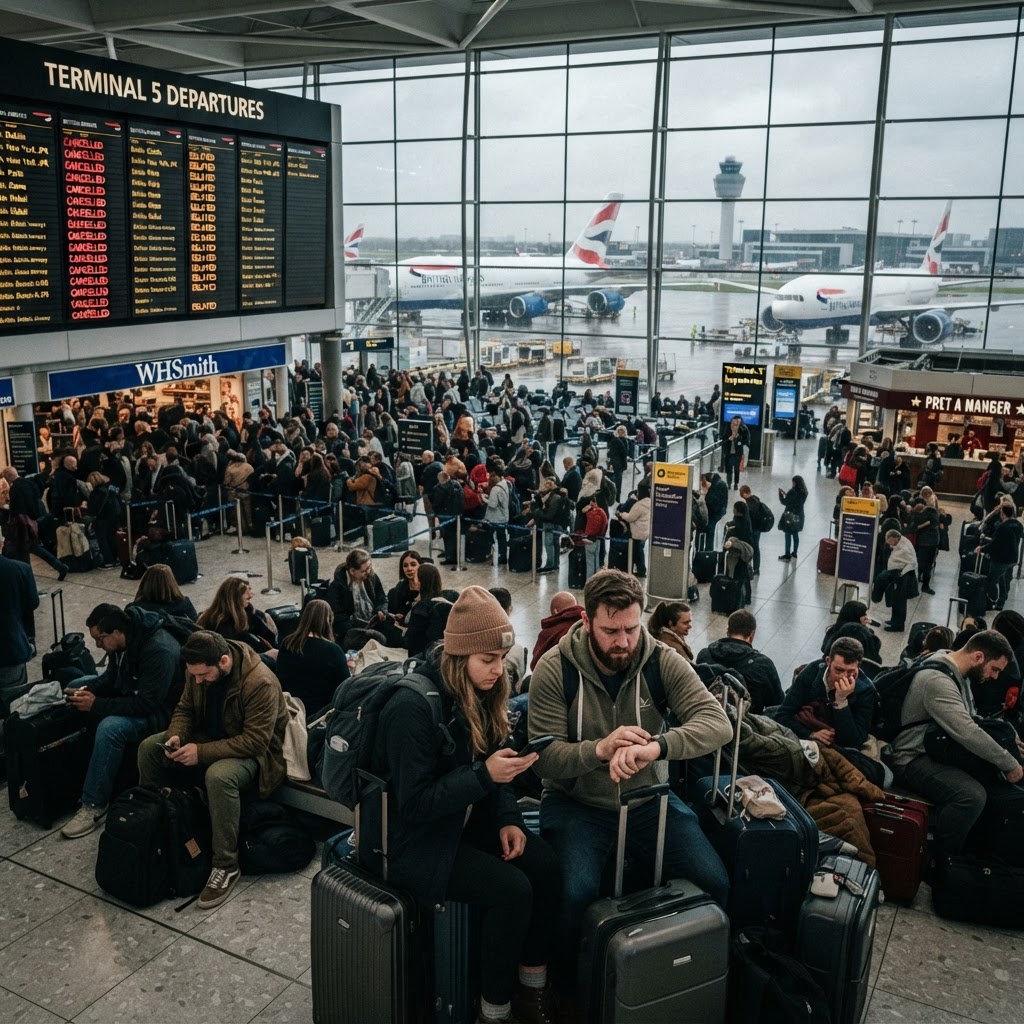
The Anatomy of an Industry-Wide Stoppage The fragility of Britain’s aviation infrastructure was laid bare this week as a catastrophic failure in the National Air Traffic Services (NATS) flight processing system triggered an unprecedented chain reaction of cancellations and delays. The technical glitch, which crippled the automated systems responsible for coordinating flight paths across UK airspace, effectively grounded the nation’s primary travel arteries. By Tuesday evening, the scale of the disruption had become clear: nearly 1,000 flights were scrubbed from the boards, leaving tens of thousands of travellers stranded in a state of growing frustration at hubs including Heathrow, Gatwick, Manchester, and Bristol.

The Long Road to Recovery While NATS confirmed that the specific technical fault had been identified and rectified, the promise of a return to normal service has been tempered by the harsh realities of aviation logistics. Even with radar screens flickering back to life, the industry remains in a precarious position. Positioning an aircraft is not merely a matter of moving metal; it requires the precise orchestration of flight crews reaching the end of their legal duty hours, the redistribution of cabin staff, and the clearing of a massive backlog of air traffic slots that now bottleneck the entire continent. Aviation analysts warn that the 'ripple effect'—where an aircraft is missing its morning slot and consequently misses every subsequent departure for the day—will ensure that the misery extends well into Wednesday and perhaps beyond.

A System Under Scrutiny The incident has inevitably reignited the debate surrounding the resilience of the UK’s aging air traffic management infrastructure. Critics suggest that reliance on a centralized, highly complex processing system creates a single point of failure that the nation can ill afford in a post-pandemic era characterized by near-capacity travel volumes. While NATS officials maintain that the system is built to the highest safety standards, the economic and social cost of a total system freeze is colossal. For the individual passenger, the experience has been one of minimal information and maximum uncertainty, with many forced to navigate automated customer service portals that were entirely overwhelmed by the sheer volume of inquiries.

Navigating the Backlog For those currently attempting to salvage their travel plans, the advice remains cautious. Airlines have urged passengers not to head to the airport unless they have verified that their specific flight has been confirmed as active. This serves as a vital safeguard against overcrowding, yet it does little to alleviate the distress of families separated from their holiday destinations or business travellers missing critical engagements. As the industry works to re-synchronize its global schedules, the UK’s aviation sector faces a daunting task in restoring public confidence in an infrastructure that, for one day, simply stopped working.

TopicsAviationNATSUK TravelHeathrowGatwickInfrastructureNews
Share

About the Author

GW

Georgia Webb

Travel Editor

Georgia Webb reports for National Post UK with a focus on rigorous analysis and authoritative journalism — a trusted voice across British public life.

Reader Discussion · 5

Subscribers can join the conversation.

SUBSCRIBE TO COMMENT →
J
James Mitchell5 Oct

It is easy to point fingers at the tech failure, but the staff at the airports were working double shifts to try and help us as best they could. Let us not forget it is the people on the ground bearing the brunt of this public anger.

E
Eleanor Rigby5 Oct

I am curious to see how the airlines and NATS will handle the compensation claims for all these passengers. It is a massive logistical nightmare and I doubt the average traveller will be made whole for their trouble.

D
David Thorne5 Oct

It seems like a complete lack of investment in modernising our critical national infrastructure over the last decade is finally coming home to roost. We cannot expect 21st-century travel on 20th-century technology.

S
Sarah Jenkins5 Oct

While the delays are incredibly frustrating, we must remember that safety has to remain the absolute priority for air traffic control. Systems are complex and failures, while rare, are a risk we have to manage carefully.

A
Arthur Penhaligon5 Oct

Absolutely shambolic scenes at Heathrow this week. I spent ten hours on a terminal floor waiting for a flight that never happened, and the lack of clear communication from NATS was simply unacceptable.
More from Travel

Most Read in Travel

Morning Briefing

The day's top stories, before 7am

Join 40,000 readers who start their morning with National Post UK.