The Path to Recovery Britain’s aviation sector showed signs of profound relief this Thursday as flight schedules across major hubs, including Heathrow, Gatwick, and Manchester, returned to a semblance of normality. According to data provided by the aviation analytics firm Cirium, the absence of scheduled cancellations marks the end of a harrowing 48-hour period during which the nation’s flight processing systems suffered a near-total collapse.
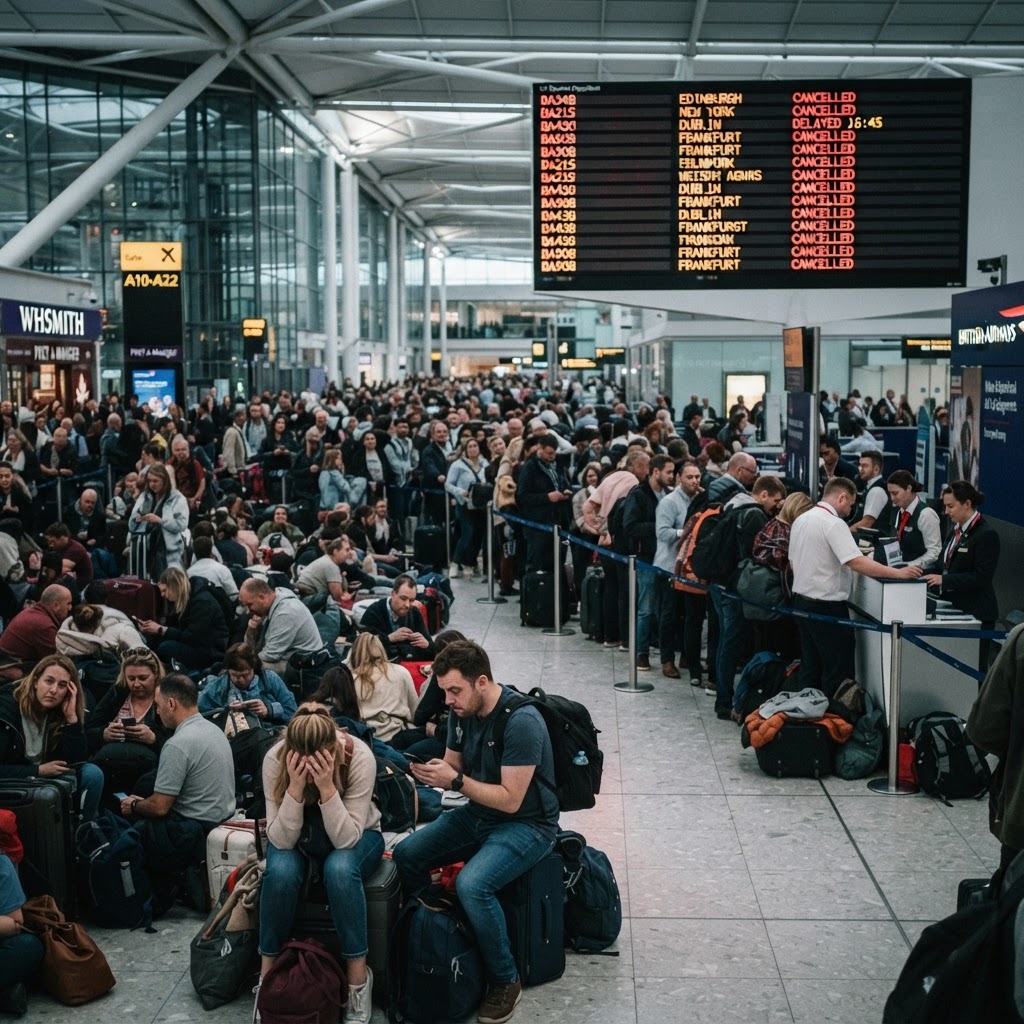
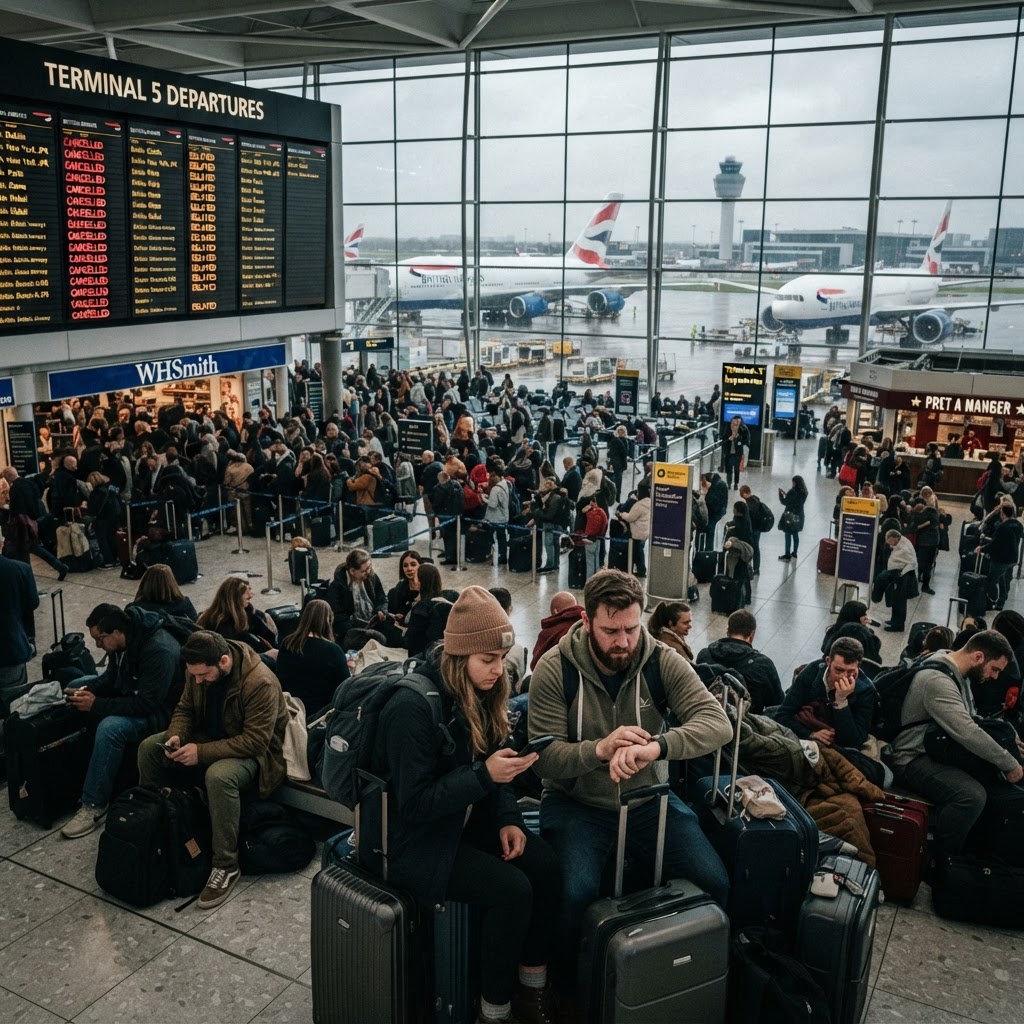
The disruption, which originated at the National Air Traffic Services (NATS) control centre in Swanwick, saw 2,145 flights grounded on Tuesday. While the technical failure itself lasted only four hours, the ripple effects of such a stoppage are immense, requiring a massive logistical effort to reset the delicate clockwork of global aviation. British Airways and Ryanair, the latter of which has been vocal in its criticism of NATS’ management, bore the brunt of the chaos, leaving tens of thousands of passengers stranded in terminals across the country.
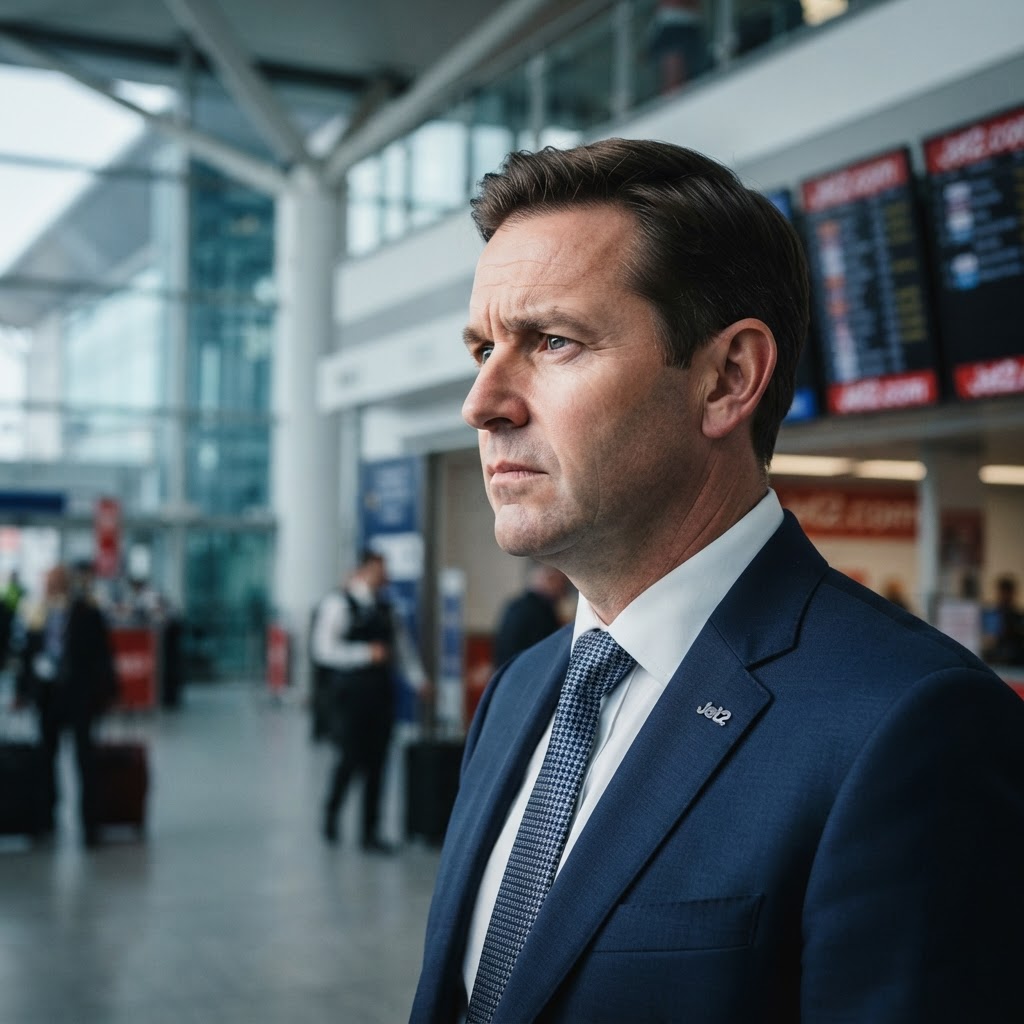
Calls for Accountability The sentiment within the industry remains fraught. Michael O’Leary, the chief executive of Ryanair, has led the calls for the resignation of NATS CEO Martin Rolfe, characterising the failure as a systemic collapse of basic operational standards. Transport Secretary Heidi Alexander has adopted a measured but firm stance, announcing that the Civil Aviation Authority (CAA) has been commissioned to conduct an independent inquiry. Alexander stated that such an outage should not be categorised as ‘unavoidable,’ placing the burden of proof squarely on the shoulders of the agency responsible for the safety and efficiency of UK skies.
The inquiry, which is expected to conclude within six months, must grapple with the fundamental question of infrastructure resilience. The Swanwick centre, a facility of critical national importance, has now faced two significant technical incidents in as many years, leading many to question whether the current technological framework is capable of handling the increasing density of European traffic.
The Compensation Conundrum As the initial frustration of stranded passengers begins to transition into the tedious process of recovery, the issue of financial restitution has come to the fore. In a blow to travellers already inconvenienced by the incident, the CAA has indicated that the disruption will likely be classified as ‘extraordinary circumstances.’ Under current regulatory definitions, this legal designation serves to exempt airlines from paying statutory compensation for flight delays and cancellations. While carriers remain obligated to provide food, accommodation, and alternative transport, the absence of further financial damages is expected to exacerbate the dissatisfaction of those whose travel plans were left in tatters.
Industry observers suggest that the coming months will be defined by an uneasy tension between NATS, the airlines, and the government. For the passenger, the priority remains the stability of the system; for the industry, the focus is shifting to how such a critical failure can be prevented from repeating itself in a post-Brexit regulatory environment that demands efficiency and reliability to remain competitive on the global stage.
“The scale of the disruption serves as a stark reminder of how fragile our critical infrastructure remains in the face of sophisticated technical failure.”