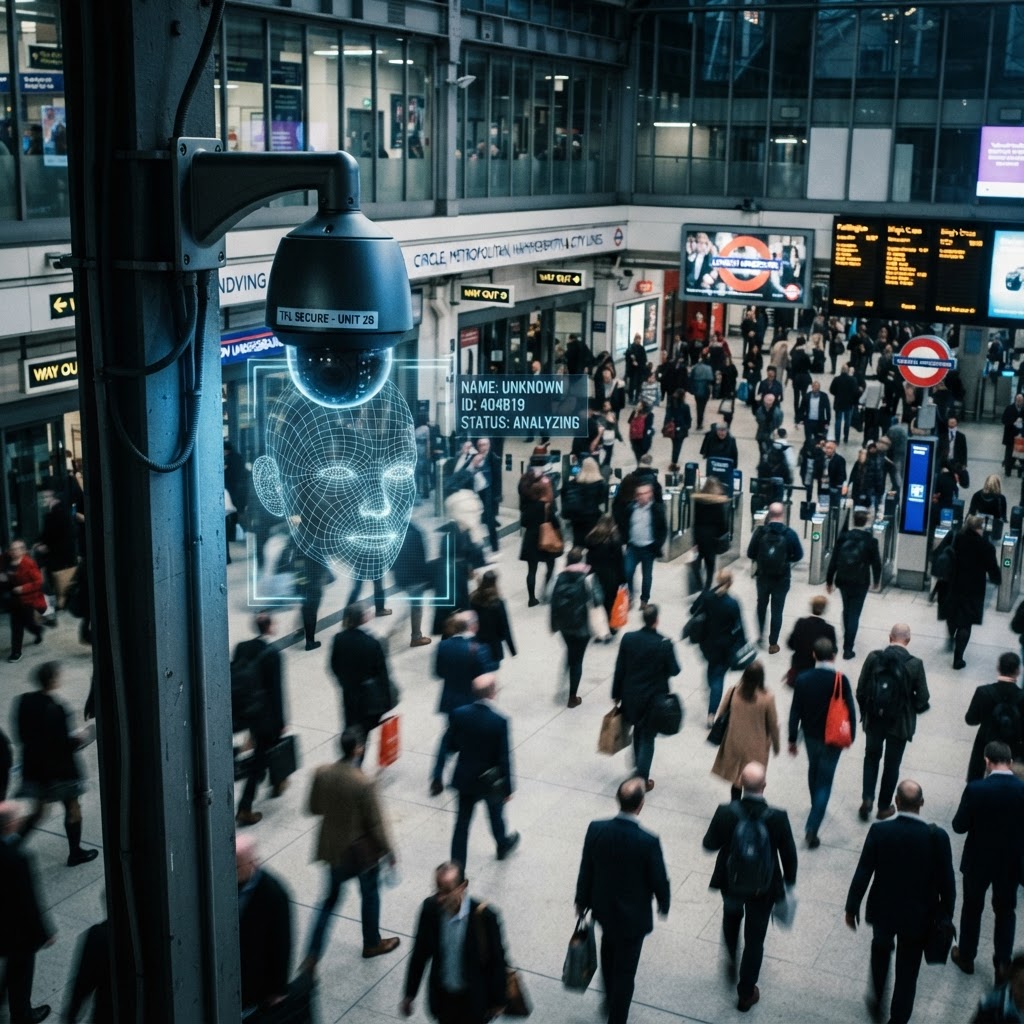

Corporate Liability for Autonomous AI Agents: Regulators Draw a Line in the Sand
The UK’s Digital Regulation Cooperation Forum has served notice to firms that legal accountability cannot be outsourced to algorithms. As AI agents increasingly manage high-stakes commercial transactions, the message from Whitehall is unequivocal: the human enterprise remains the ultimate guarantor of compliance.
JM
Jack Morrison
Technology Editor
Published 7 November 2026·about 8 hours ago 3 min read
Text
TopicsAI RegulationDRCFCMAFCAICODigital GovernanceUK BusinessTechnology Law
About the Author
JM
Jack Morrison
Technology Editor
Jack Morrison reports for National Post UK with a focus on rigorous analysis and authoritative journalism — a trusted voice across British public life.
Reader Discussion · 5
Subscribers can join the conversation.
SUBSCRIBE TO COMMENT →M
Marcus Sterling7 Nov
We should be cautious about over-regulating before we even understand the full potential of these agents. Britain needs to lead in development, not just in creating red tape.
E
Eleanor Rigby7 Nov
Having worked in insurance for twenty years, the real challenge will be proving causality when these systems start interacting with one another. Regulators are drawing lines, but the tech is moving much faster than the courtroom.
D
David Thorne7 Nov
This is a sensible move. If an AI acts as an agent for a company, the legal liability must sit with the entity that profits from its operations. Simple as that.
S
Sarah Jenkins7 Nov
While I agree with the sentiment, I worry this might stifle innovation for smaller British startups who cannot afford the legal overhead of compliance. We risk pushing development to countries with looser regulations.
A
Arthur Penhaligon7 Nov
It is about time. Too many firms have been hiding behind the complexity of their code to avoid basic duty of care responsibilities.