National Post UK
Home Office Accelerates Biometric Shift in Border Security Overhaul

The government is finalising plans to integrate sophisticated facial recognition systems into its immigration enforcemen

The National Post

HomeTechnology
Technology

Home Office Accelerates Biometric Shift in Border Security Overhaul

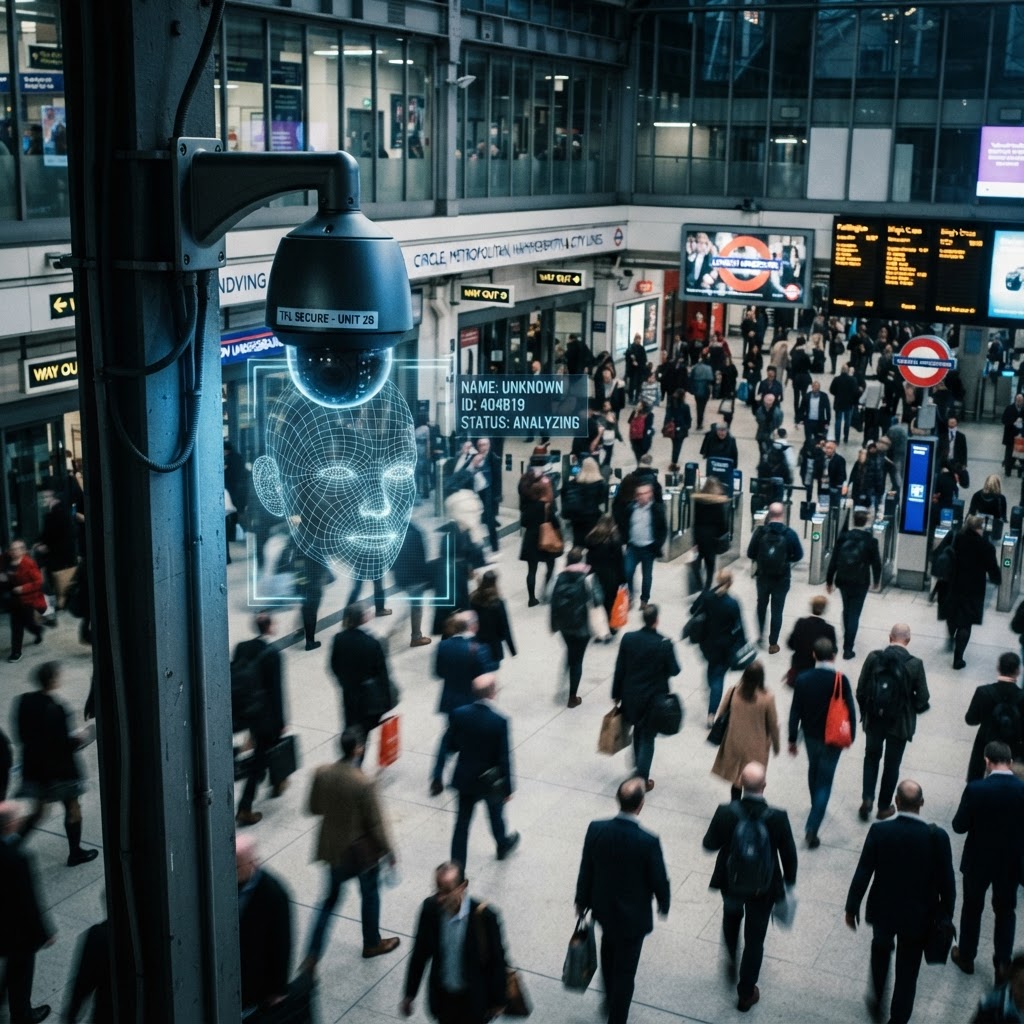
The government is finalising plans to integrate sophisticated facial recognition systems into its immigration enforcement framework. The policy marks a significant departure in border management strategy, raising immediate questions regarding privacy thresholds and state oversight.

DK

Daniel Kim

Technology Editor

Published 6 November 2026·about 8 hours ago 3 min read
Text
Share

The Rise of Algorithmic Enforcement In a move that signals a profound transformation of the British border control apparatus, the Home Office has confirmed it is actively developing a programme to embed facial recognition technology into core immigration enforcement operations. The initiative, described by officials as a necessary modernisation of the state's toolkit, seeks to leverage real-time biometric identification to track and manage migration flows across the United Kingdom. This development follows months of ministerial discourse concerning the economic potential of artificial intelligence, signalling a pivot from abstract policy rhetoric to concrete infrastructure deployment.

Technological Integration and Policy Rationale The proposed framework represents an escalation in the digitisation of the public sector. By integrating biometric scans with existing immigration databases, the Home Office aims to reduce processing times while tightening control over enforcement priorities. Proponents within Whitehall argue that the move is an essential response to the complexity of modern migratory patterns, asserting that robust technical standards will ensure the system operates within legal parameters. This technological shift is underpinned by the government's wider commitment to fostering an environment where AI-driven decision-making serves as a primary pillar of administrative efficiency.

Navigating the Privacy Deficit However, the breadth of the proposed implementation has drawn sharp scrutiny from civil liberties groups and technology policy analysts. Critics argue that the passive nature of facial recognition—which often functions without the active participation of the subject—risks normalising a state of perpetual surveillance. The primary concern among privacy advocates is not merely the efficacy of the software, but the lack of an established legislative framework governing its use in public spaces. As the Home Office moves to scale this technology, the absence of stringent, publicly scrutinised safeguards remains a focal point of legal debate.

The Broader Digital Governance Landscape This initiative coincides with a broader debate regarding the ethical limits of biometric data collection in the UK. With the government’s stated intent to become a global leader in AI, there is a palpable tension between the desire for state-of-the-art security and the preservation of individual anonymity. Experts suggest that the Home Office will face significant challenges in reconciling these automated enforcement tools with the requirements of the UK General Data Protection Regulation and the Human Rights Act. As the programme moves from concept to pilot testing, the burden of transparency will rest heavily on the government to prove that these tools do not infringe upon the fundamental rights of the citizenry or foreign nationals residing within the jurisdiction.

Future Implications As the project gains momentum, it is likely to remain at the epicentre of domestic policy debates. The integration of facial recognition into immigration enforcement is more than a technical upgrade; it is a fundamental reconfiguration of the relationship between the state and those it monitors. Whether the Home Office can deliver on its promise of an efficient, lawful system remains to be seen, yet the trajectory is clear: the frontier of British border security is increasingly being defined by the invisible algorithms of the machine age.

TopicsHome OfficeImmigrationFacial RecognitionAIBorder SecurityUK PolicyBiometrics
Share

About the Author

DK

Daniel Kim

Technology Editor

Daniel Kim reports for National Post UK with a focus on rigorous analysis and authoritative journalism — a trusted voice across British public life.

Reader Discussion · 9

Subscribers can join the conversation.

SUBSCRIBE TO COMMENT →
M
Marcus Reed6 Nov

Privacy seems to be eroding day by day. First CCTV everywhere, now facial recognition at the border; where does the surveillance state actually draw the line?

F
Fiona Campbell6 Nov

It seems inevitable, really. Most other nations are heading this way, so the UK has to keep pace to avoid becoming the weak link in international transit security.

D
David Thorne6 Nov

Having worked in IT procurement for years, I can already see the cost overruns coming. These large-scale government tech projects rarely deliver on their promises of efficiency.

S
Sarah Jenkins6 Nov

I have real concerns about the accuracy of these algorithms, especially regarding bias. We need far more transparency on how this data is stored and who has access to it before it becomes standard practice.

A
Arthur Penhaligon6 Nov

About time we modernised our border controls. If it speeds up queues at Heathrow and keeps the country secure, I am all for it.

E
Eleanor Rigby6 Nov

Border security is complex and requires a human element that an algorithm simply cannot replicate. I fear we are sacrificing too much privacy and nuance for the sake of efficiency.

D
David Thorne6 Nov

Technology is only as good as the data it is fed. Unless the Home Office can guarantee complete transparency regarding how this biometric data is stored and deleted, I remain a firm skeptic.

S
Sarah Jenkins6 Nov

I am deeply concerned about the accuracy rates of these systems when dealing with diverse demographics. We must have robust independent oversight before this is rolled out fully.

A
Arthur Penhaligon6 Nov

Anything that speeds up the queues at Heathrow is a win in my book. We have been lagging behind other nations on digital integration for too long.


More from Technology

Most Read in Technology

Morning Briefing

The day's top stories, before 7am

Join 40,000 readers who start their morning with National Post UK.