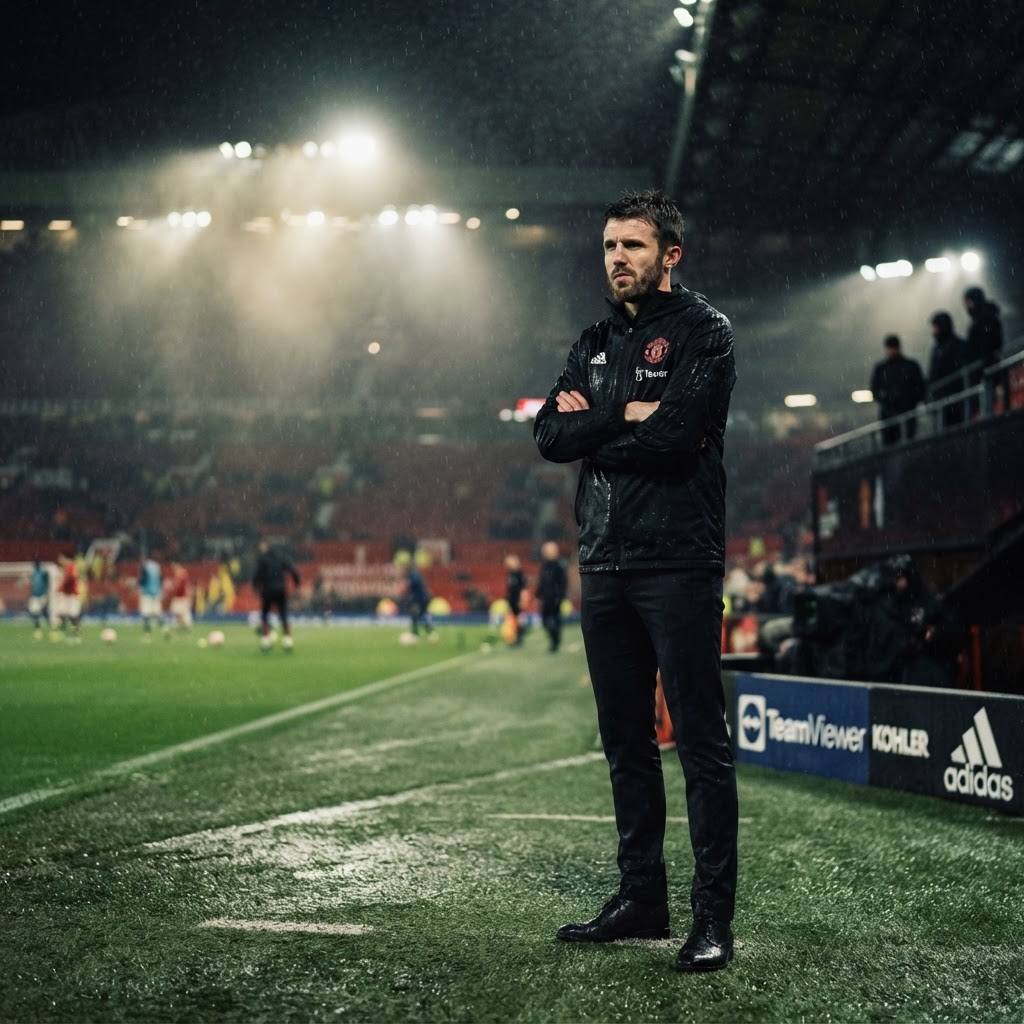
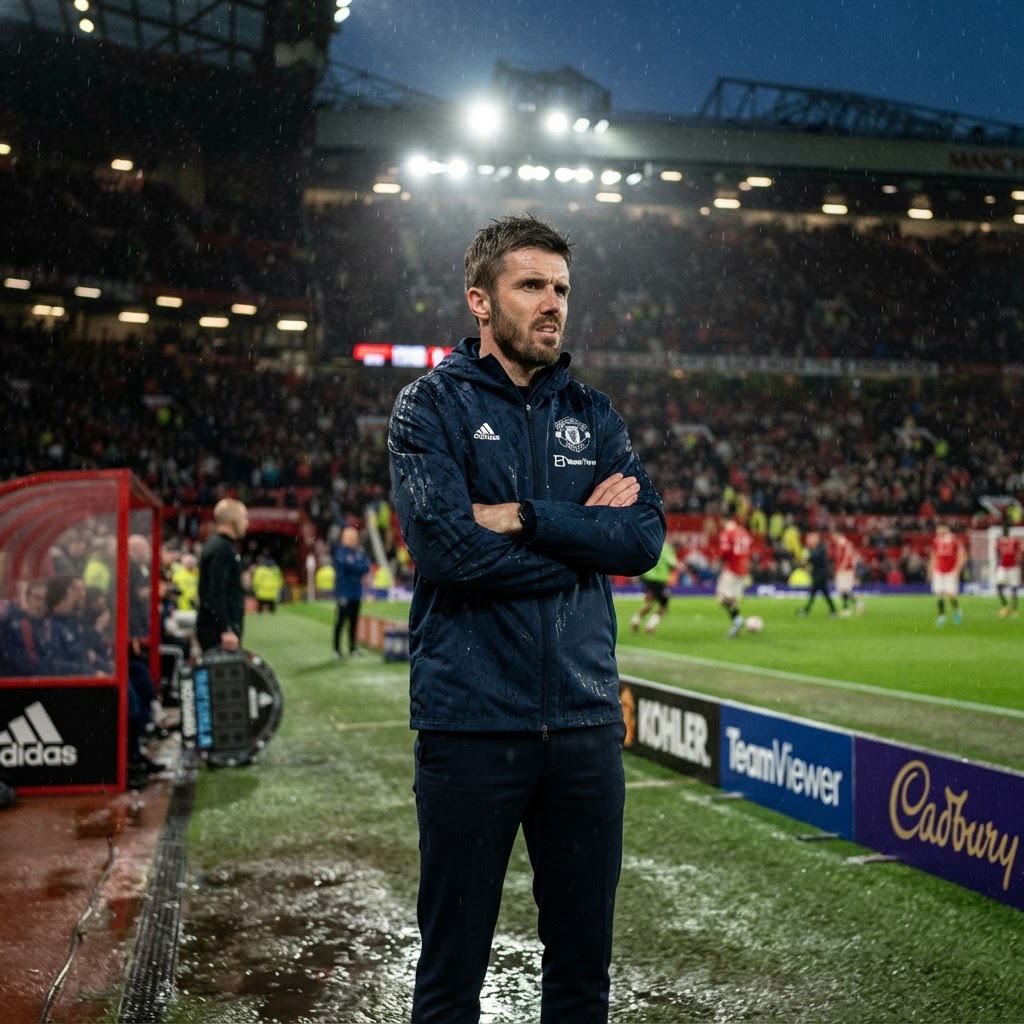
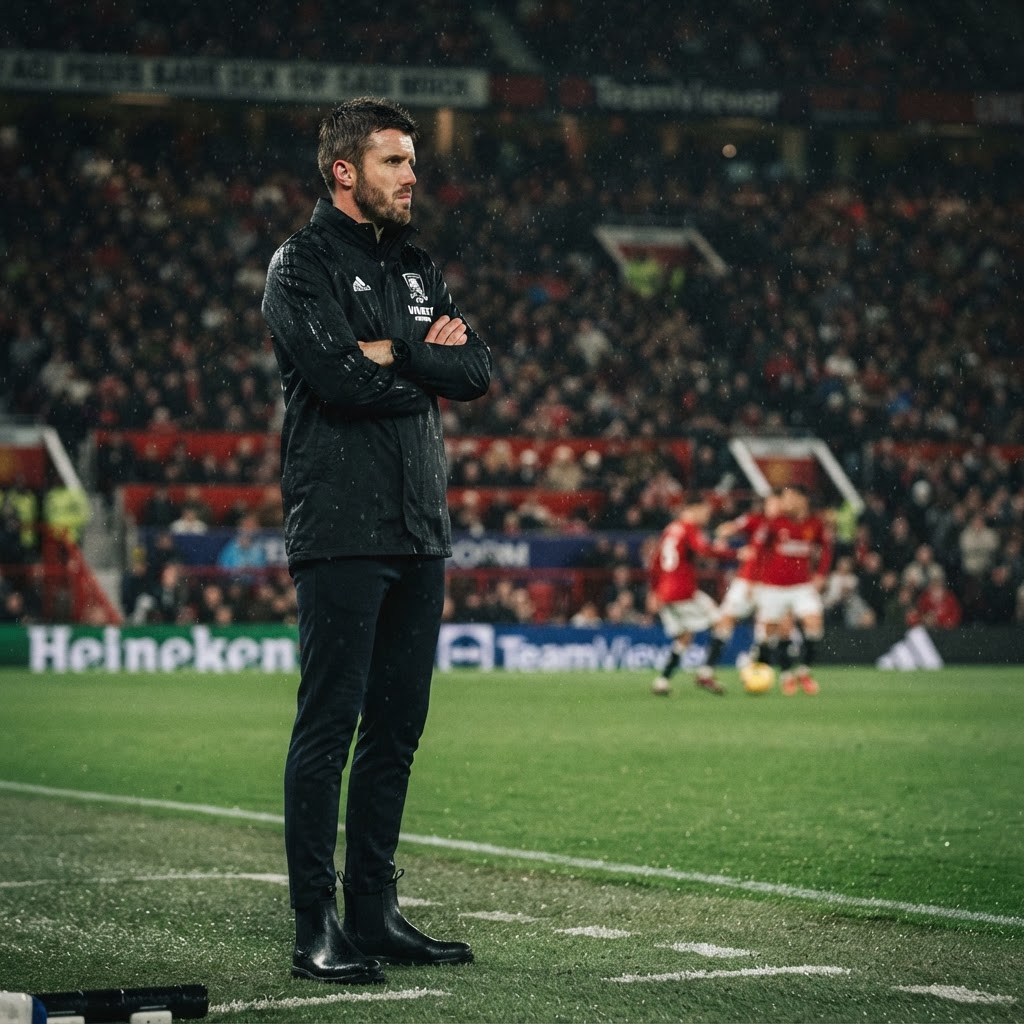
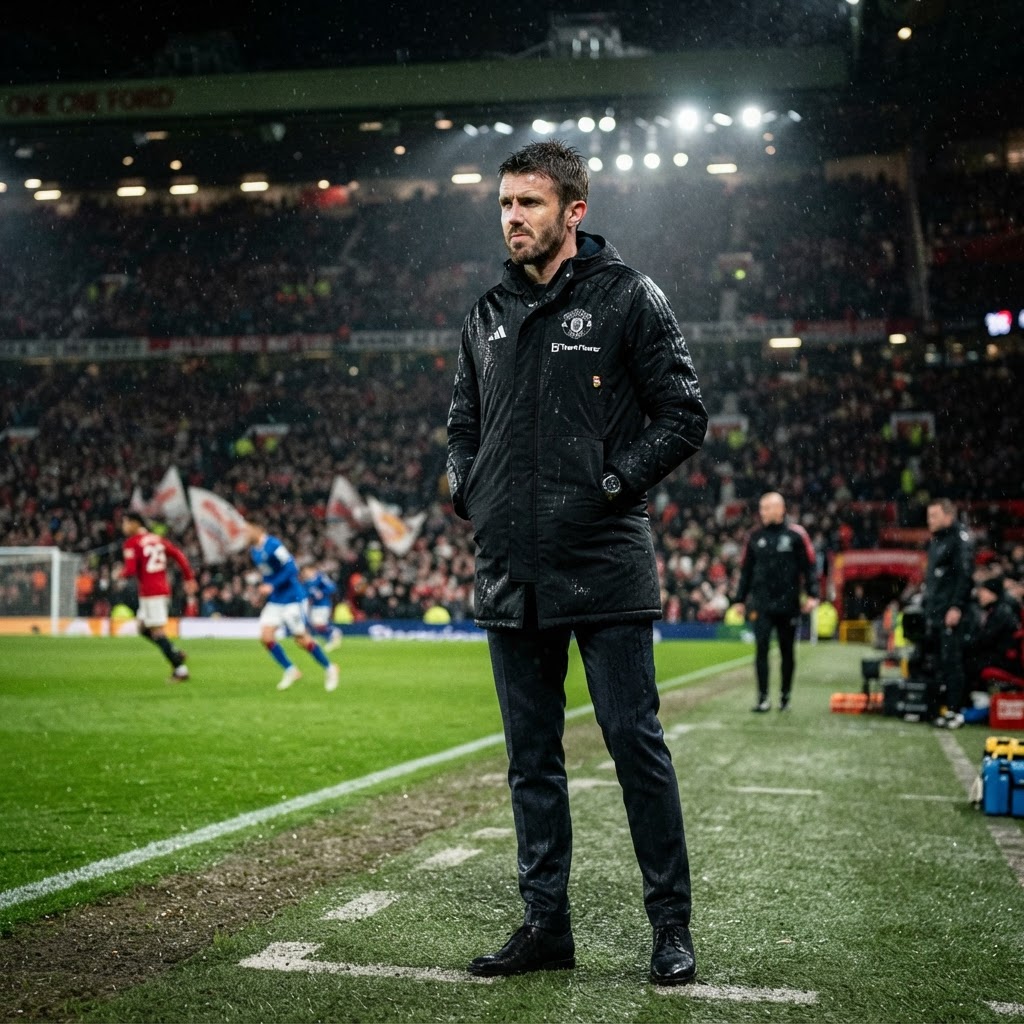
The Manchester United board has been forced into an embarrassing delay in their managerial transition after failing to secure a successor. With the club languishing near the foot of the table, the reprieve for Michael Carrick appears to be one of cold convenience rather than genuine faith.
A Crisis of Leadership at the Theatre of Dreams
The corridors of Old Trafford have long been associated with grandeur and stability, yet this week they have played host to an exercise in professional paralysis. Manchester United, a club currently mired in its most profound sporting crisis of the modern era, finds itself in the uncomfortable position of retaining a head coach whom the hierarchy had seemingly already resolved to dismiss. Michael Carrick, tasked with steadying a sinking ship, has been granted a temporary stay of execution, not by virtue of tactical improvement or a shift in results, but by the stark reality of a lack of available alternatives.
The Weight of the Winless Streak
The statistics confronting the United faithful make for harrowing reading. A winless run of eight matches has left the club staring into the abyss of the Premier League relegation zone. For a squad built on the premise of challenging for domestic and European honours, the current reality is one of survival. The pervasive anxiety among supporters is no longer focused on the pursuit of silverware, but on the mathematical certainty of avoiding the drop to the Championship. The malaise is total, affecting not only the output on the pitch but the morale of a fanbase that has grown increasingly weary of the cyclical nature of failure under the current regime.
The Search for a Saviour
Behind the scenes, the urgency from the boardroom has been palpable. Jason Wilcox, in his capacity as director of football, has spent the last week in a state of frantic negotiation. The club’s original mandate was clear: dispense with the services of Carrick before the weekend and usher in a new era. Yet, the search has proven fraught with complication. The market for elite managers, particularly those willing to navigate the unique challenges of the United hot seat in its current state, is remarkably thin. Reports indicate that the board’s inability to reach a definitive agreement with a primary target has left them with no choice but to keep their incumbent in place for the immediate fixture list.
The Contenders in the Frame
The shortlist, while guarded, is understood to reflect the strategic preferences of Wilcox. It is widely acknowledged that the board is prioritising candidates with robust Premier League experience, a nod to the necessity of immediate stability rather than a long-term, continental-style overhaul. Eddie Howe’s name has been consistently linked, with his ability to build resilient, disciplined units seen as a remedy to the current chaos. Simultaneously, the intellectual allure of Julian Nagelsmann remains a point of intrigue. However, the German’s tactical sophistication is weighed against the board’s desire for a coach who understands the granular, high-intensity nature of English football. Whether either man views the current Old Trafford vacancy as a viable platform for their ambitions remains the central question that the board has failed to answer this week.
A Reputation in Flux
For Carrick, the situation is one of professional purgatory. To remain in a role knowing that the powers that be have actively sought a replacement is an experience that would break most managers, yet the former midfielder continues to front the press with a stoicism that is both admirable and, in the eyes of many supporters, somewhat detached from the urgency required. The impending matches represent more than just points on a table; they are auditions for the club’s survival. Should the form not improve immediately, the board will be forced to revisit the prospect of an interim appointment, further complicating a transition that is already spiralling into a cautionary tale of institutional inertia.