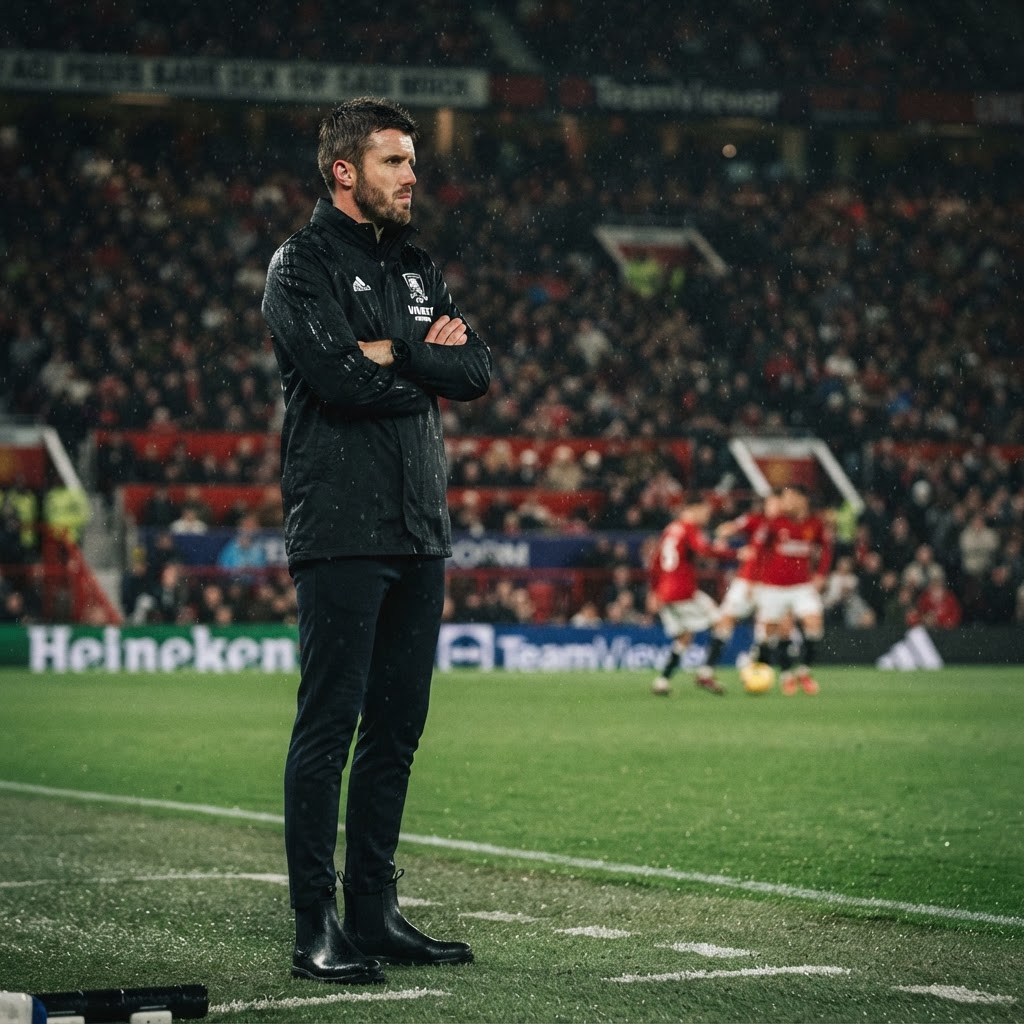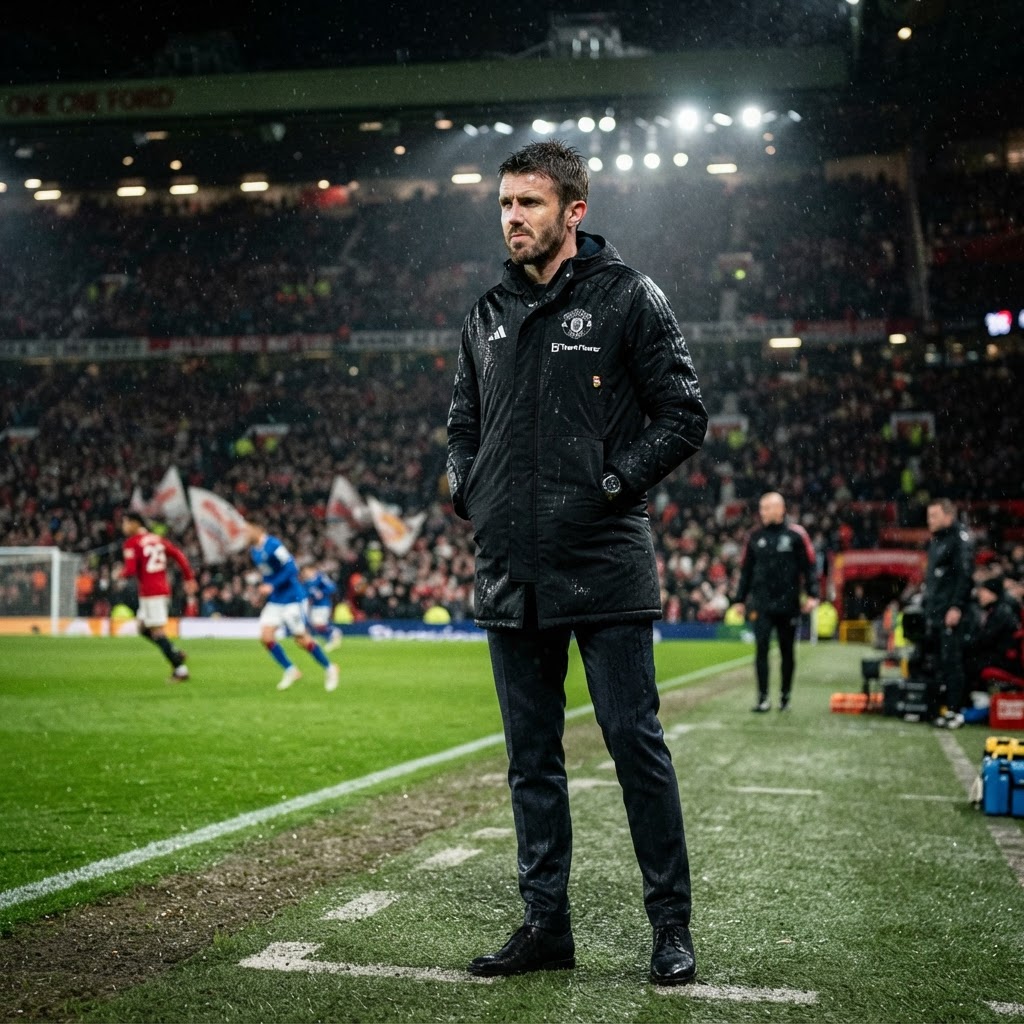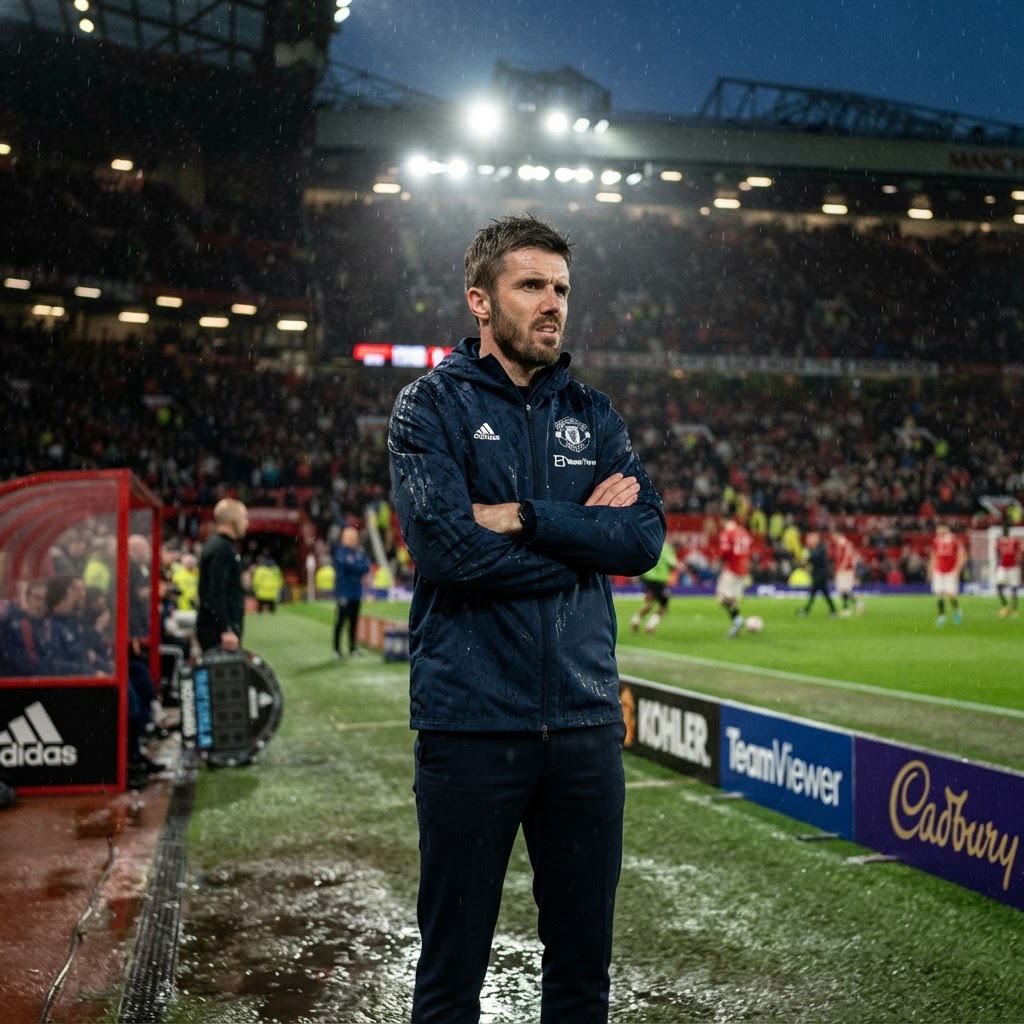
The shadow of transition The atmosphere at Carrington has thickened with the kind of palpable tension that usually precedes a seismic shift at the top of Manchester United. With the club reeling from a humiliating Champions League defeat to Como and a domestic season characterised by stuttering performances, the position of manager Michael Carrick appears increasingly precarious. While the former midfielder has navigated the political complexities of the dressing room since his appointment, the lack of a coherent tactical identity has left the hierarchy contemplating a formal contingency plan.
Central to this strategic review is the status of Newcastle United manager Eddie Howe. It is understood that any move to secure the Englishman’s services would necessitate a compensation package in the region of £6 million, a figure that serves as a tangible barrier in an already fraught financial landscape. Sources close to the club suggest that while Howe remains a favoured candidate due to his proven track record in rejuvenating underperforming squads, the board is also casting a wider net, with the mercurial German tactician Julian Nagelsmann identified as an alternative target.
The Fernandes factor The internal strain became public knowledge during the recent encounter with Bournemouth, a match that saw club captain Bruno Fernandes benched in a move that startled observers and supporters alike. The decision to omit the Portuguese playmaker was framed as a tactical necessity by the coaching staff, yet it exposed a deeper malaise regarding the manager’s authority and his long-term vision for the squad. Fernandes, a talismanic presence who has often papered over the cracks of structural deficiencies, represents the intersection of the club's current identity crisis and its search for a new direction.
For Carrick, the pressure is no longer just about the league table; it is about the intangible confidence of a squad that appears to be losing faith in its current trajectory. The loss to Como in Europe was particularly stinging, not merely for the result, but for the manner in which United were tactically outmatched by a side with significantly fewer resources. It was a result that forced a candid post-mortem in the boardroom, prompting discussions that have shifted from mere support to rigorous evaluation of alternatives.
Financial constraints and strategic alignment Should the club determine that a change is required before the mid-season break, the £6 million fee attached to Howe represents a significant, if manageable, expenditure. However, the complexity of negotiating with Newcastle—a club that has demonstrated its own robust defensive posture in administrative matters—cannot be understated. There is also the matter of philosophical alignment. The club’s recruitment department is prioritising a manager capable of overseeing a comprehensive rebuild, one that integrates the youth academy more effectively while maintaining the standards expected at Old Trafford.
Nagelsmann, currently unattached to a permanent domestic post, presents a distinct profile: a manager known for high-pressing, data-driven football that aligns with the modern evolution of the sport. Yet, the transition to the demands of the Premier League remains a unique hurdle that has claimed the reputations of many lauded foreign coaches. The board is currently weighing the stability offered by domestic experience against the potential tactical ceiling promised by the European continental school.
“The decision to omit Bruno Fernandes was framed as a tactical necessity, yet it exposed a deeper malaise regarding the manager’s authority and his long-term vision for the squad.”