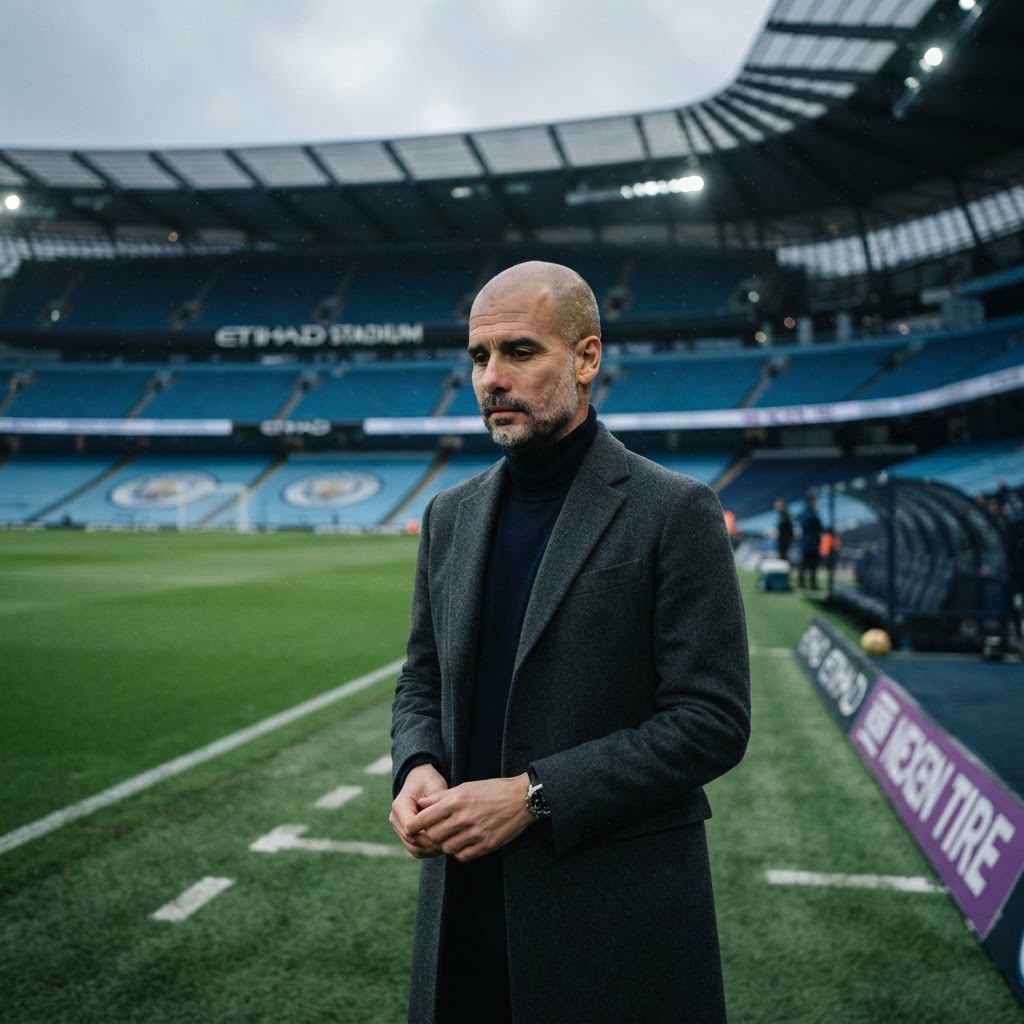
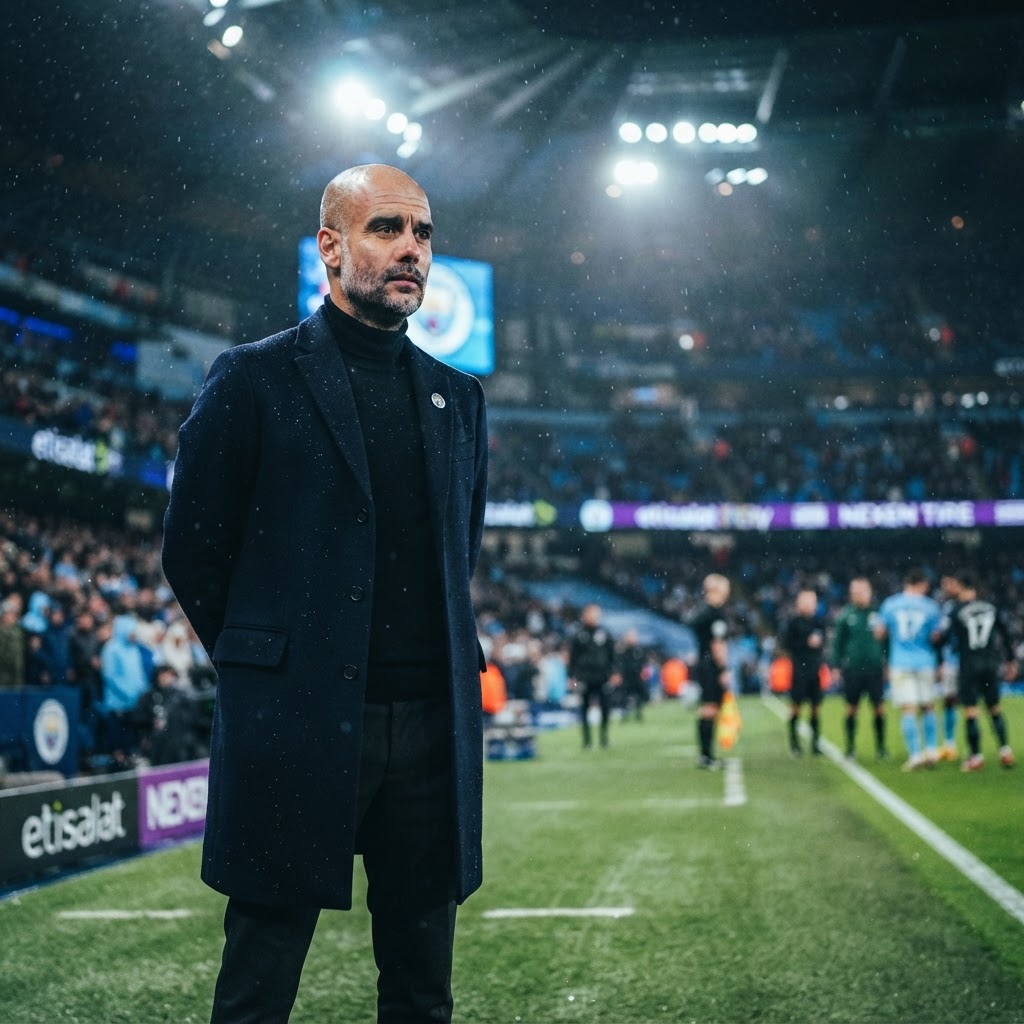
A Watershed Moment for the English Game The landscape of the English Premier League was altered fundamentally this week as an independent commission delivered its findings in the long-standing case regarding Manchester City Football Club. After months of intense deliberation and a process shrouded in extreme secrecy, the panel has concluded that the reigning champions are responsible for the vast majority of the 115 alleged breaches of financial regulations. The verdict, which covers a period spanning from 2009 to 2018, marks the most significant regulatory intervention in the history of the modern game.
While the Premier League remains tight-lipped regarding the specific mechanics of the ruling, insiders suggest that the club has been cleared of only a solitary charge. The scale of the findings places the Etihad Stadium outfit in a precarious position, leaving the footballing world to speculate on the severity of the impending penalties. Sanctions available to the panel are vast and potentially career-defining for the club’s current hierarchy, ranging from significant point deductions and stripping of historical titles to the nuclear option of expulsion from the top flight.
The Road Ahead: Challenges and Appeals In a statement released shortly after news of the verdict began to circulate, Manchester City maintained a stance of cautious defiance. The club reiterated that the proceedings remain subject to strict confidentiality and that they are not in a position to comment on the minutiae of the panel’s conclusions. However, sources close to the club indicate that an appeal is not merely a probability, but a certainty. City’s legal team, renowned for its formidable resources and track record in combatting UEFA sanctions in previous years, is expected to challenge both the findings and the legal validity of the commission’s processes.
Dr. Julian Harper, an expert in sports law, suggests that this is merely the opening salvo in a protracted legal engagement. The complexity of the evidence provided—which includes years of sponsorship documentation, salary structures, and internal correspondence—ensures that any appeal process could stretch well into the coming year, if not further. For the fans, this creates a state of purgatory, where the club’s achievements on the pitch remain shadowed by the opacity of its administrative history.
The Regulatory Vacuum This case serves as a litmus test for the Premier League’s regulatory autonomy. The 115 charges were levelled at a time when the governing body faced intense pressure to demonstrate that its Profit and Sustainability Rules (PSR) possessed genuine teeth. By taking on one of the wealthiest and most successful institutions in global sport, the Premier League has staked its credibility on the integrity of the process. Should the sanctions be viewed as insufficient or easily overturned on appeal, the league faces a crisis of authority that could necessitate a fundamental restructuring of how financial fair play is policed.
Critics of the current system point to the disparity in resources between the league’s investigative arm and a club backed by the sovereign wealth of Abu Dhabi. The sheer volume of documentation required to satisfy the panel’s scrutiny has turned the case into a battle of attrition, one that has tested the patience of rival clubs and supporters alike. As the industry awaits the announcement of sanctions, the focus will undoubtedly shift to the independence of the panel and whether the final penalties will be proportionate to the breadth of the breaches identified.
“The verdict marks the most significant regulatory intervention in the history of the modern game, placing the future of the Premier League's integrity on a knife-edge.”
The Sporting Legacy at Stake Beyond the legal jargon and the technicalities of financial compliance, the human element remains at the forefront of the conversation. Pep Guardiola, the manager whose tactical genius has defined this era of dominance, finds himself at the centre of a storm he did not create. Supporters of the club argue that the achievements won under his stewardship are legitimate and earned purely through merit on the turf. Conversely, rival fans argue that the success was artificially inflated by an uneven playing field. Regardless of the outcome, the shadow cast by this verdict will linger over the history books of the 2010s, forcing football historians to reconsider the legitimacy of an entire decade of competition.
As the winter season approaches, the atmosphere surrounding Manchester City’s fixtures will likely grow more hostile, with the spotlight intensifying on every result. Whether the club survives this ordeal with its standing intact or enters a period of structural instability, the conclusion of this case will define the next chapter of English football. For now, all eyes remain on the panel’s final word, and the inevitable legal duel that will follow in the courts of appeal.