Carrick tasked with steadying the ship as United face Chelsea crunch
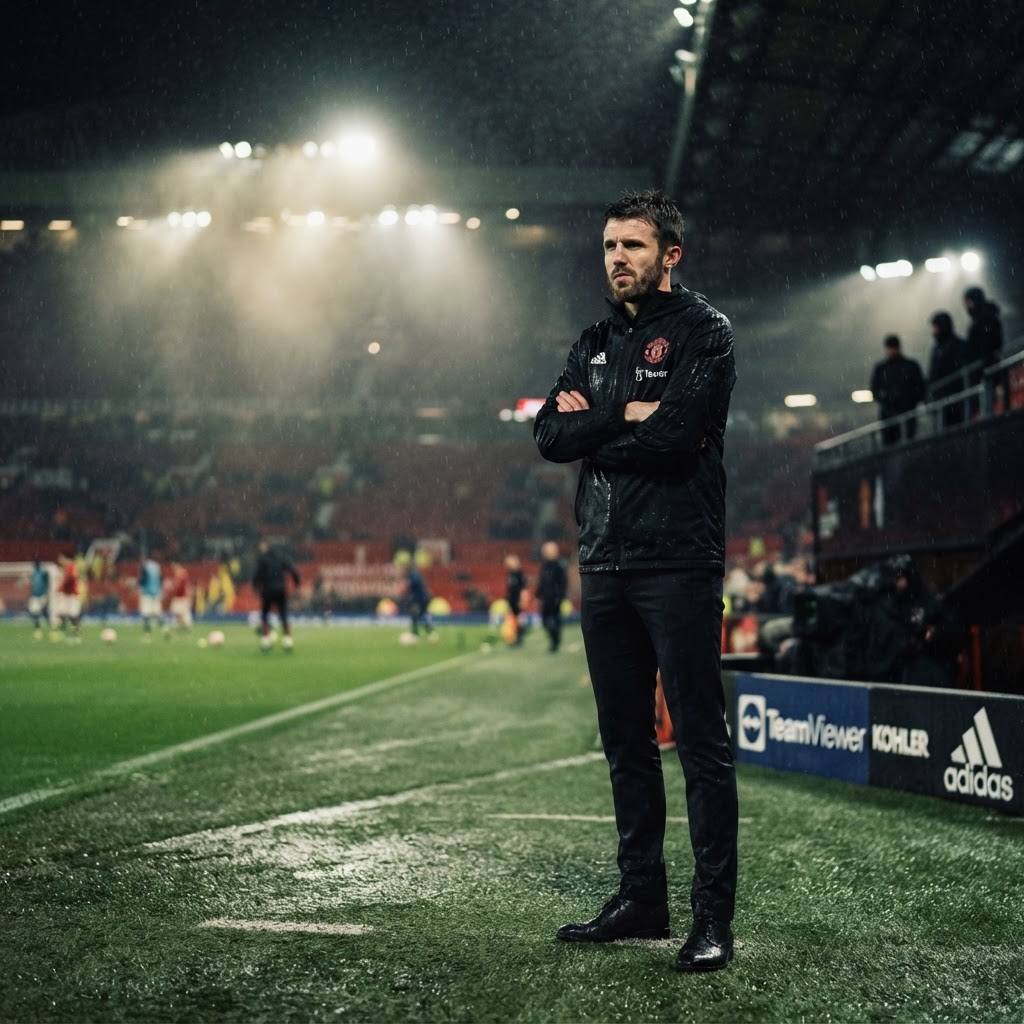
Manchester United have confirmed that interim manager Michael Carrick will remain in the dugout for this weekend’s pivotal trip to Stamford Bridge. With the club languishing in 16th place, the board’s decision reflects an ongoing search for long-term stability amidst a deepening crisis at Old Trafford.
FS
Fiona Shaw
Sports Correspondent
Published 31 October 2026·about 4 hours ago 3 min read
Text
TopicsManchester UnitedPremier LeagueMichael CarrickChelseaFootballUK Sport
About the Author
FS
Fiona Shaw
Sports Correspondent
Fiona Shaw reports for National Post UK with a focus on rigorous analysis and authoritative journalism — a trusted voice across British public life.
Reader Discussion · 6
Subscribers can join the conversation.
SUBSCRIBE TO COMMENT →P
Peter Higgins31 Oct
Tactically, Carrick has always been a smart player, but management is a completely different beast. I am curious to see if he tries to implement his own style or just keeps things simple to avoid a hammering.
E
Emma Richards31 Oct
Fair play to him for taking the job when things are this toxic. Regardless of the result, he deserves credit for stepping up when others might have shied away.
L
Liam O'Connor31 Oct
I have been following United for forty years and I have never seen the club look this rudderless. It is going to take more than a caretaker manager to fix these tactical deficiencies.
G
Graham Miller31 Oct
It is a difficult situation for him to step into on such short notice. We should at least wait to see how the team shape looks this Sunday before writing them off entirely.
S
Sarah Jenkins31 Oct
Honestly, I think expecting Carrick to turn it around against Chelsea is asking for a miracle. The issues at Old Trafford run far deeper than whoever is standing in the dugout.
D
David Thompson31 Oct
Michael is a legend of the club and knows exactly what it means to wear the shirt. He is the right man to steady things while the board sorts out a long-term plan.