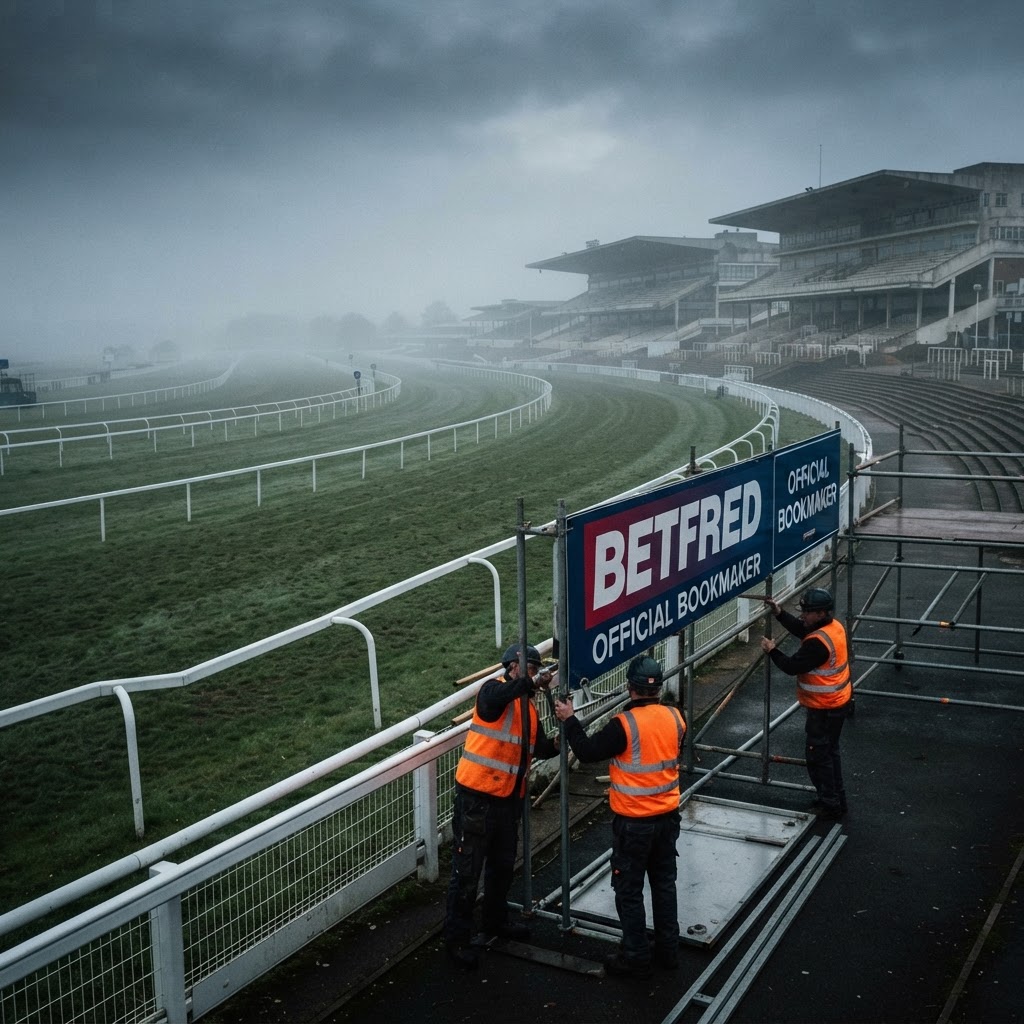
A Watershed Moment for the Sport of Kings The commercial architecture underpinning British horse racing faces an uncertain future following the announcement on November 5, 2026, that Betfred will cease its sponsorship of the sport's five prestigious Classics. The decision represents a stinging blow to the Jockey Club and the broader racing ecosystem, which relies heavily on the synergy between wagering operators and racecourse revenue. The withdrawal encompasses the 1,000 Guineas, 2,000 Guineas, the Oaks, the Derby, and the St Leger, effectively ending a tenure that had become synonymous with the traditional calendar of British flat racing.
The Burden of Fiscal Policy In a formal statement released yesterday, the bookmaker confirmed that the decision is a direct consequence of the tax increases unveiled in the recent UK government budget. While the Chancellor of the Exchequer has maintained that the levy changes are necessary to stabilise the national accounts, the industry response has been one of profound anxiety. Betfred’s leadership indicated that the increased operational costs have forced a rigorous audit of their marketing and sponsorship portfolio, resulting in the shedding of several high-profile sporting commitments. This exit follows a similarly abrupt departure from other significant UK sporting properties, suggesting a structural retreat from high-expenditure brand visibility.
Industry Repercussions and Future Stability Racing executives are now grappling with the sudden void created by the loss of one of the sport’s most reliable benefactors. For decades, the relationship between bookmakers and racecourses has been viewed as a symbiotic necessity, yet this latest development highlights the fragility of such arrangements when faced with shifting legislative winds. Industry experts suggest that the timing of this withdrawal could not be more precarious. With the cost of training and equine welfare rising alongside general inflation, the loss of a major commercial partner puts additional pressure on purse sizes and the long-term viability of rural racecourses that serve as the backbone of the industry.
While alternative sponsors may eventually emerge to fill the gap left by Betfred, the transition period is expected to be fraught with uncertainty. Racecourse owners are already scouting for new partnerships, but the appetite among corporations for long-term sporting investment has cooled noticeably. Government officials have yet to offer a formal response to the fallout, though the tension between the betting sector and Whitehall continues to intensify. As the industry looks towards the 2027 season, the loss of these partnerships serves as a sobering reminder of the interconnected nature of tax policy and the health of the UK's heritage sports.