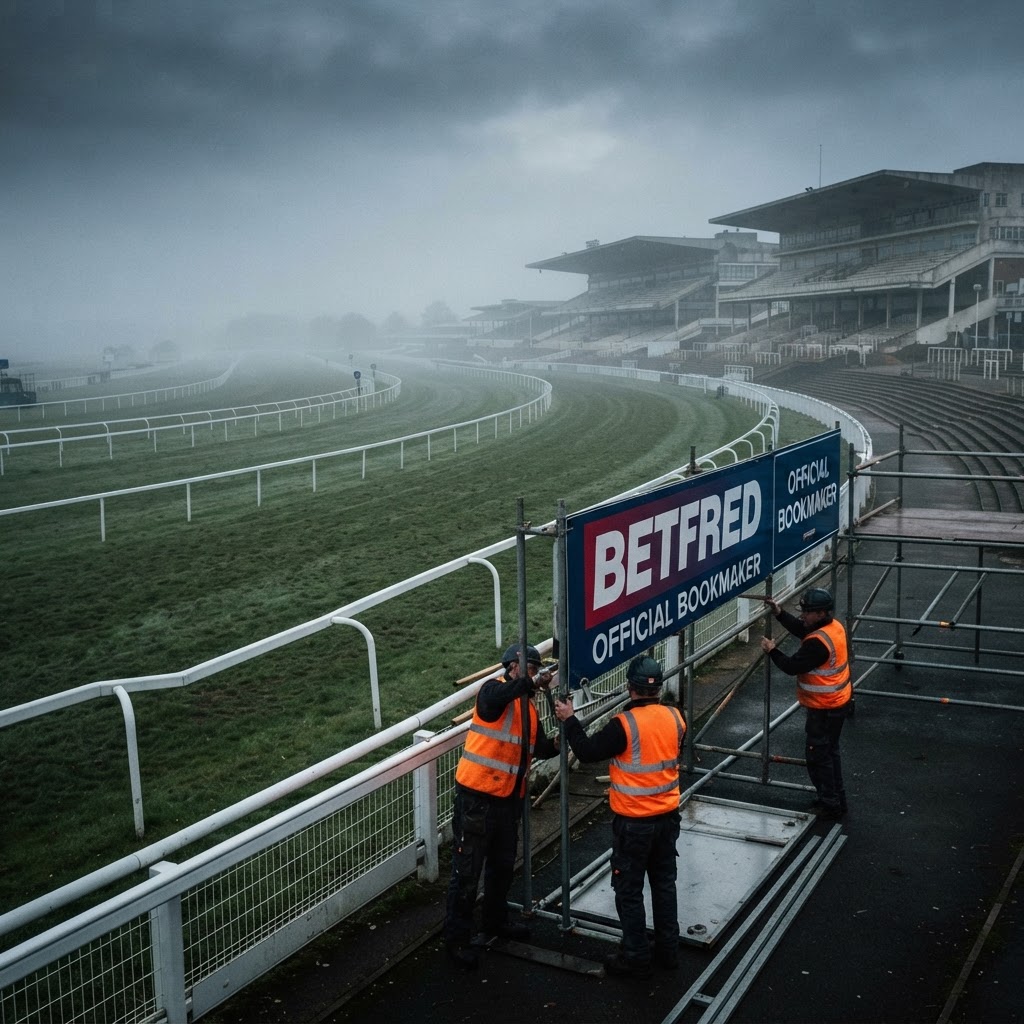
Betfred Withdrawal from Classics Deals Another Blow to Racing Finances
The bookmaker’s decision to abandon its support for the sport’s five crown jewels follows a volatile budget announcement. The exit raises immediate questions regarding the long-term sustainability of elite racing commercial partnerships in a climate of fiscal tightening.
TB
Tom Bradley
Sports Correspondent
Published 7 November 2026·about 8 hours ago 3 min read
Text
TopicsHorse RacingBetfredSports BusinessUK BudgetBritish SportsThe Jockey Club
About the Author
TB
Tom Bradley
Sports Correspondent
Tom Bradley reports for National Post UK with a focus on rigorous analysis and authoritative journalism — a trusted voice across British public life.
Reader Discussion · 5
Subscribers can join the conversation.
SUBSCRIBE TO COMMENT →C
Clare Thompson7 Nov
Racing is already struggling to capture the interest of a younger generation. Without these flagship sponsorship deals, I fear the coverage and quality of these events will inevitably suffer.
G
Gareth Evans7 Nov
Perhaps this will force the sport to broaden its sponsorship horizons beyond the betting industry. It is a risky move, but maybe it is the wake-up call the authorities need to attract interest from other sectors.
D
David Thorne7 Nov
I have been going to the Classics for thirty years, and it is heartbreaking to see the level of corporate support decline like this. The sport needs to innovate its commercial strategy if it wants to survive the next decade.
S
Susan Miller7 Nov
Honestly, I am not surprised at all. With all the tightening regulations around gambling advertising, it was only a matter of time before these companies started pulling back their spending.
A
Arthur Penhaligon7 Nov
It is a massive blow to the sport, particularly for the smaller racecourses that rely on the visibility these sponsorships provide. The industry really needs to find a sustainable funding model that does not leave us so vulnerable to the whims of betting firms.